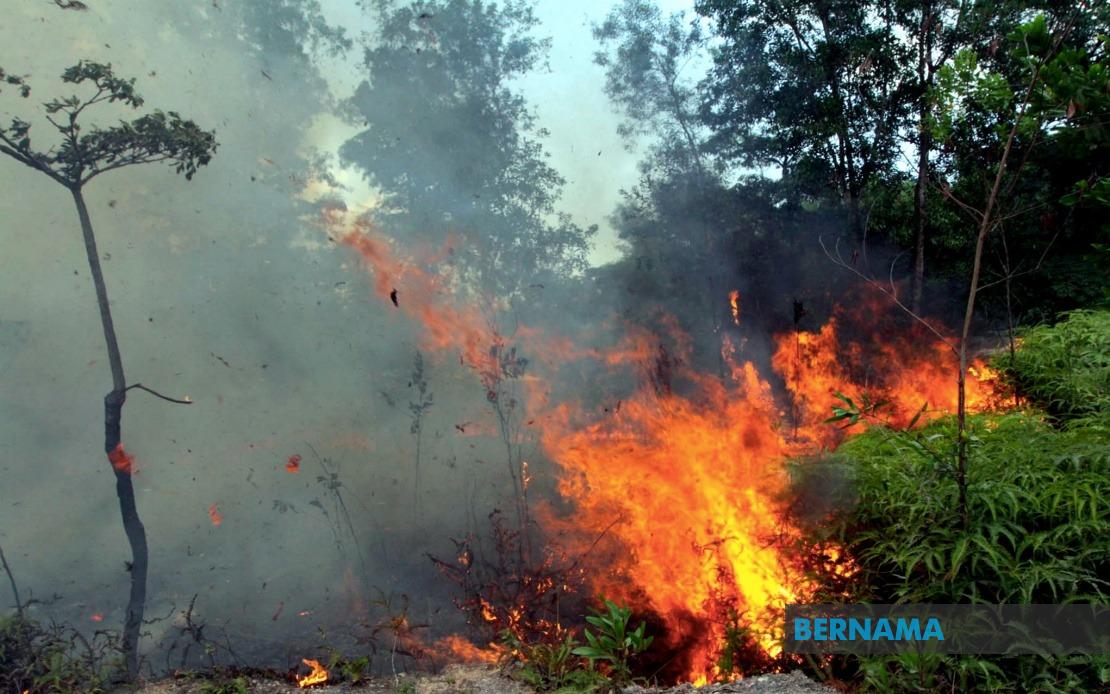
Malaysia is grappling with a significant surge in open burning incidents, with authorities reporting 18,432 cases involving forests, shrubland and waste across the country from January through July this year. The figure represents a sharp increase compared with 9,941 incidents during the equivalent period in 2024, according to the Malaysian Fire and Rescue Department (JBPM). This escalation underscores mounting environmental and public health concerns as uncontrolled fires proliferate across the nation.
Datak Seri Nor Hisham Mohammad, the director-general of JBPM, disclosed that the year-to-date tally also exceeds the 16,294 cases documented during the same window in 2023, indicating a troubling upward trajectory. The department's findings paint a picture of worsening fire management challenges across the country, prompting intensified monitoring and resource allocation. The spike carries implications beyond immediate firefighting costs, affecting air quality, property damage, and emergency services deployment across regions.
In response to the escalating crisis, JBPM has expanded its surveillance infrastructure to track 183 locations nationwide identified as vulnerable to open burning based on historical data spanning the past five years. This comprehensive mapping initiative reflects the department's strategic shift toward predictive fire management rather than reactive response. By identifying patterns and seasonal risk factors, JBPM aims to pre-position resources and personnel in anticipation of incidents. The expanded monitoring framework represents a more sophisticated approach to fire prevention than traditionally employed in Malaysia.
Among these monitored sites, 62 locations have been classified as posing acute risk for large-scale fires that could engulf areas exceeding 25 hectares—a threshold that significantly strains firefighting capabilities and complicates operational logistics. Nor Hisham indicated that JBPM faces substantial challenges mobilizing adequate teams to contain fires of such magnitude, particularly in geographically remote or difficult-to-access terrain. This capacity constraint highlights potential vulnerabilities in Malaysia's firefighting infrastructure, suggesting that rapid expansion of incidents could overwhelm existing resources. The identification of these zones signals a turning point in how authorities conceptualise fire risk management nationally.
The geographic distribution of fire incidents reveals distinct regional patterns that warrant targeted intervention strategies. Sarawak has emerged as a particular flashpoint, with major fires reported in Sri Aman and Mukah districts, suggesting localised conditions—whether climatic, vegetative, or anthropogenic—that facilitate uncontrolled burning. Peninsular Malaysia has likewise recorded numerous incidents, though generally smaller in scale, indicating that fire risks span the entire nation rather than remaining concentrated in specific jurisdictions. This nationwide scope complicates coordination and demands equitable resource distribution across state-level fire services.
Sabah represents another focal point for JBPM's attention, with the state's distinctive vegetation patterns and challenging terrain creating conditions where fires accelerate rapidly and become extremely difficult to suppress once established. The mountainous landscape and dense forest cover prevalent in much of Sabah amplify the risks associated with open burning, as fires can spread swiftly across slopes and through valleys. Kota Kinabalu specifically has been identified as a zone with seven recorded major fire incidents during 2024, and several surrounding areas feature prominently among the 62 high-risk locations now under close surveillance. The concentration of risk in Sabah underscores how geographical factors intersect with human behaviour to create acute vulnerability zones.
JBPM attributes much of the recent surge to elevated temperatures in specific regions, a factor that coincides with Malaysia's exposure to increasingly variable weather patterns. Hot weather conditions accelerate vegetation drying and lower the ignition threshold for fires, making open burning particularly hazardous during warmer months. Climate variability compounds this challenge, as unpredictable weather systems can create windows of extreme heat that elevate fire risk suddenly and dramatically. The department's acknowledgment of weather as a primary contributing factor reflects growing recognition within Malaysia's emergency management sector that climate considerations must inform fire prevention policy.
Critically, JBPM is directing substantial preparatory efforts toward anticipated weather disruptions linked to the Super El Niño phenomenon, an oceanic-atmospheric pattern expected to manifest in the Pacific region around November with downstream effects reaching Malaysia by late January next year. El Niño events typically correlate with drier conditions and elevated temperatures across Southeast Asia, creating conditions highly conducive to fire propagation. Malaysian authorities are mobilising resources in anticipation of this climatic pattern, seeking to establish enhanced readiness before the phenomenon impacts local weather systems. This forward-looking approach demonstrates institutional learning from past fire seasons when reactive measures proved insufficient.
The convergence of increased open burning incidents, identified high-risk zones, and anticipated climate disruption presents a compounded challenge for Malaysia's fire management infrastructure. The department faces simultaneous pressures to suppress current incidents, strengthen prevention mechanisms, and prepare for potentially severe conditions in early 2024. This multifaceted crisis demands integrated responses spanning public awareness campaigns, enhanced enforcement against illegal open burning, resource augmentation for JBPM, and inter-agency coordination across federal and state governments. Without coordinated intervention, the trajectory evident in current statistics suggests fire incidents could become even more severe and resource-intensive.
For Malaysian citizens and businesses, the implications are substantial and multifaceted. Recurring open burning events degrade air quality, particularly affecting vulnerable populations including children, the elderly, and individuals with respiratory conditions. Agricultural producers face risks to crops and livestock from advancing fires, while property owners in identified high-risk zones confront elevated insurance costs and asset vulnerability. The economic burden extends to healthcare systems managing increased respiratory ailments, lost productivity from air pollution episodes, and government expenditure on firefighting operations. Regional businesses trading in air-sensitive sectors also experience disruptions during severe burning events.
The situation also carries broader Southeast Asian implications, as transboundary air pollution from Malaysia can affect neighbouring nations including Singapore, Indonesia, and Brunei. Cross-border smoke haze during severe burning episodes has historically triggered diplomatic coordination and bilateral complaints. As fire incidents proliferate and intensify, Malaysia faces increasing international scrutiny regarding environmental stewardship and air quality management. Addressing the open burning crisis thus becomes not merely a domestic concern but a regional responsibility affecting multiple jurisdictions' environmental and public health outcomes.
Moving forward, JBPM's strategy of combining enhanced surveillance, weather-based predictive planning, and resource positioning represents a maturing approach to fire management. However, long-term solutions require addressing root causes—including agricultural practices driving open burning, land management standards, and enforcement against violators. Community engagement and behavioural change campaigns targeting individuals and organisations engaging in open burning remain critical components of comprehensive fire prevention. As Malaysia navigates the dual challenges of current surging incidents and anticipated climate disruption, sustained commitment to fire management excellence and inter-sector collaboration will determine whether the nation can arrest this troubling upward trajectory.

