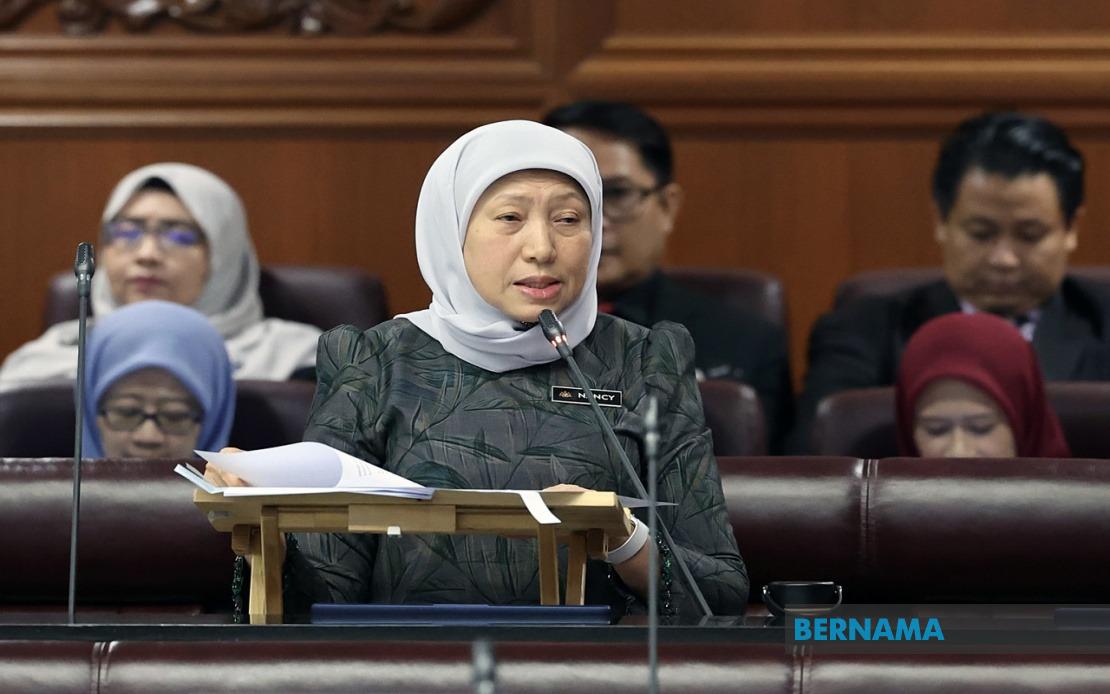
Malaysia is embarking on a significant overhaul of its Child Act 2001 (Act 611), prompted by 159 recommendations issued by the United Nations Committee on the Rights of the Child (UNCRC). The sweeping review, announced by Minister Datuk Seri Nancy Shukri during a recent Dewan Negara session, represents a critical effort to strengthen the nation's child protection framework and ensure it reflects contemporary best practices and international obligations under the Convention on the Rights of the Child (CRC).
The UNCRC's Concluding Observations address a broad spectrum of concerns spanning legal reforms, enhanced safeguards against abuse and exploitation, and improved execution of child rights across Malaysia's institutions. These recommendations have triggered a comprehensive policy reassessment that goes beyond cosmetic amendments. The ministry recognises that Malaysia's existing legislative framework, though foundational, requires substantial enhancement to meet evolving standards of child welfare and protection that have emerged over the two decades since the Act's enactment.
Minister Shukri outlined that the review will specifically examine how current legal provisions align with the UNCRC's guidance on child protection mechanisms and reporting systems. Particular attention will be given to how Malaysia's children's courts operate, how family and community-based care is structured, and what rehabilitation and ongoing support services are available to vulnerable children. This granular approach reflects an understanding that statutory reform alone cannot succeed without operational improvements across the entire child welfare ecosystem.
Crucially, the ministry is adopting a collaborative, whole-of-government strategy rather than treating this as a single-department exercise. Multiple ministries and relevant government agencies will contribute expertise and input throughout the review process. This institutional coordination is essential because child protection intersects with education, health, justice, social welfare, and law enforcement — domains where fragmented policies can create dangerous gaps that vulnerable children may slip through.
The review also intends to clarify and strengthen the roles, functions and authority of all stakeholders involved in child case management. This includes parents, guardians, social workers, police, judges, and community organisations. By defining responsibilities more precisely, Malaysia aims to eliminate confusion about who bears accountability for specific interventions and decisions. Current ambiguities in the Act may slow response times and allow cases to become deprioritised as agencies debate jurisdiction or responsibility.
Cross-agency collaboration represents another focal point. Child protection cases often involve multiple agencies — a child may simultaneously be known to school authorities for safeguarding concerns, to health services for injuries, and to police for criminal incidents. Improved mechanisms for information sharing, coordinated assessments and unified intervention plans can prevent children from experiencing fragmented or contradictory support. Malaysia's review aims to institutionalise these collaborative practices rather than relying on informal goodwill between agencies.
The government also recognises that responsiveness of services remains inconsistent across regions. Rural and urban areas, and different states, may offer vastly different quality and speed of intervention. The review will examine how to standardise service delivery and ensure that a child's location does not determine the level of protection they receive. This is particularly important in Malaysia given demographic disparities and varying resource availability across the peninsula and the states of Sabah and Sarawak.
The timing of this review reflects Malaysia's growing international scrutiny regarding child welfare. UNCRC committees regularly assess state parties' progress in implementing the Convention, and Malaysia's latest review generated 159 substantive recommendations — a signal that current gaps are substantial enough to warrant coordinated action. Other countries in Southeast Asia have similarly undertaken legislative reforms following UNCRC recommendations, and Malaysia's process will likely be benchmarked against regional progress.
The inclusion of children's participation within the review framework is also noteworthy. The minister explicitly mentioned that enhanced participation by children themselves in decisions affecting them will be prioritised, aligning with the "best interests of the child" principle. This represents a cultural and institutional shift in how Malaysia approaches child welfare — moving from paternalistic, adult-led systems toward more participatory models where children's voices genuinely influence outcomes.
Implementation timelines and resource allocation remain unspecified in public statements thus far. Child Act amendments require legislative drafting, inter-ministerial coordination, stakeholder consultation, and eventual parliamentary approval. The process will likely take multiple years. Throughout this period, civil society organisations, child welfare professionals, and families will be watching to ensure the review delivers tangible improvements rather than becoming a protracted bureaucratic exercise.
For Malaysia's broader regional standing, this review demonstrates responsiveness to international human rights mechanisms and commitment to protecting one of the most vulnerable populations. It also provides an opportunity to address specific gaps — such as protections for trafficking victims, asylum-seeking children, and children in digital exploitation — that have become urgent in recent years. How thoroughly the government incorporates these contemporary challenges will indicate whether the review represents genuine modernisation or incremental tinkering.
The success of this initiative ultimately depends on sustained political will and adequate resourcing. Legal reforms mean little without trained personnel, functioning infrastructure, and integrated systems to implement them. Malaysia's review of the Child Act 2001 is an essential step, but the harder work lies ahead in translating international recommendations into concrete, lived improvements for Malaysian children facing abuse, neglect, exploitation, and vulnerability.

