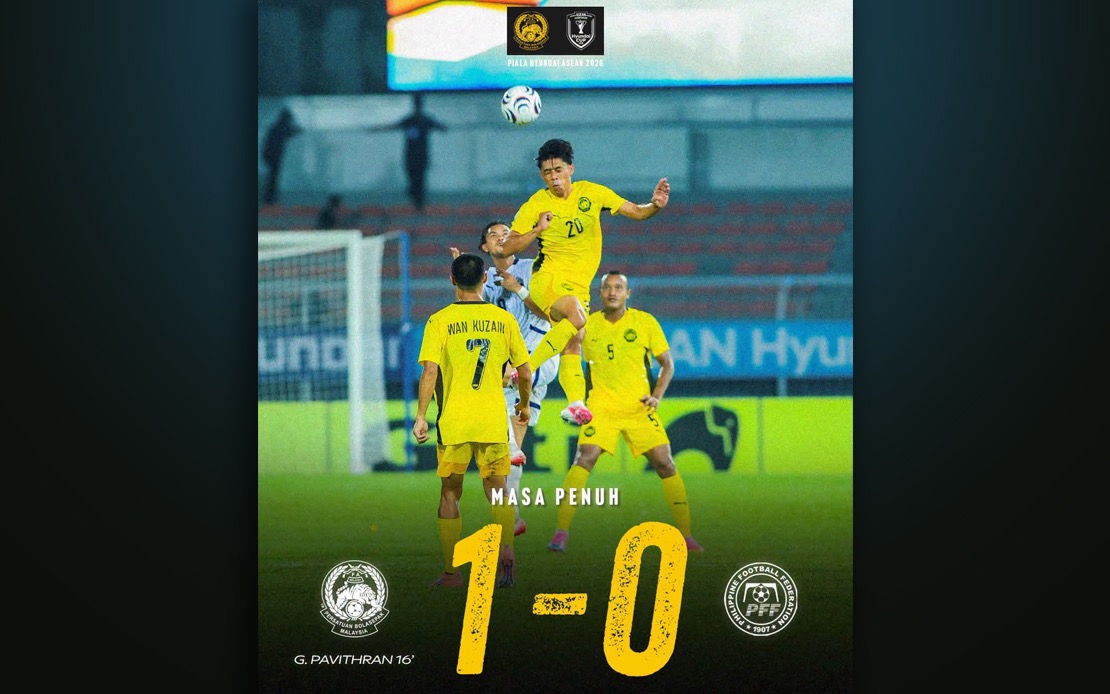
Malaysia's quest for continental glory has reached a crucial juncture after Harimau Malaya secured their place in the 2026 ASEAN Cup semi-finals with a commanding 1-0 victory over the Philippines at the Kuala Lumpur Football Stadium in Cheras on August 8. The win capped off a successful group stage campaign that has positioned the national team among the tournament's elite, setting the stage for an intriguing matchup against the defending champions.
Interim head coach Tan Cheng Hoe orchestrated a disciplined performance that prioritized the clinical execution needed to progress from Group B. His tactical approach proved effective against a Philippines side determined to secure advancement themselves, with Malaysia's players responding to the magnitude of the occasion. The atmosphere at the 18,000-capacity venue, energized by supporters dressed in black and yellow, created a home advantage that manifested in the team's cohesive and purposeful display throughout ninety minutes of football.
The breakthrough arrived in the sixteenth minute when midfielder Wan Kuzain Wan Ahmad Kamal's delivery from the flank found G. Pavithran in the Philippines penalty area, and the attacker's well-executed header gave Malaysia the lead they required. This early goal fundamentally altered the dynamics of the contest, allowing Malaysia to settle into their rhythm while forcing the opposition into a reactive posture. The goal reflected the quality of Malaysia's approach play and suggested a team operating with clear direction and understanding of their objective.
Following the opening goal, Malaysia demonstrated the tactical maturity to manage the game intelligently. Rather than chasing further scoring opportunities recklessly, they maintained defensive shape and controlled possession during spells when the Philippines mounted their attacking attempts. This approach proved vindicated as Carles Cuadrat's side, despite their efforts to find an equalizer, could not generate sufficient clear-cut chances before halftime. The Malaysian midfield effectively disrupted the rhythm of Philippines attacks, preventing the visitors from building sustained periods of pressure.
The second half witnessed a more aggressive approach from the Philippines as they sought to claw back into the contest. However, the defensive solidity of Malaysia's backline, anchored by captain Paulo Josue's commanding presence, successfully weathered the intensified onslaught. The Philippines' desperation for an equalizer inadvertently created opportunities for Malaysia on the counter-attack, though Pavithran squandered a chance in the eighty-fifth minute when he failed to convert a low cross after his initial effort had been blocked by defender Jaime Rosquillo. The missed opportunity mattered little, as Malaysia's defensive discipline ensured the scoreline remained unchanged until the final whistle.
Malaysia's nine-point haul from their Group B campaign propelled them to second place, confirming their progression and providing insight into their competitive standing at this stage of the tournament. The group was won convincingly by Thailand, who accumulated twelve points after defeating Myanmar 2-0 in the other Group B fixture on the same evening. The War Elephants' success underscores the competitive quality within this particular group, making Malaysia's advancement a solid achievement under circumstances where the margin for error was minimal.
The reward for Malaysia's group stage success is a semi-final date against Vietnam, the defending champions who topped Group A with decisive performances. This represents a significant challenge, as Vietnam brings experience from their successful defense of the title and demonstrated their quality throughout the competition's opening phase. The two-leg format, scheduled for August 16 and 19, provides both teams with opportunities to exploit home advantage while managing the injury risks and fatigue that accompany back-to-back matches in knockout competition.
For Malaysian football, this semi-final appearance carries considerable significance in the regional context. The ASEAN Cup represents one of the most prestigious competitions available to Southeast Asian nations, and progressing to the latter stages validates the investment in developing the national program. Under Tan Cheng Hoe's interim leadership, the team has demonstrated the organizational discipline and tactical clarity required to compete at this level, suggesting that the foundation exists for sustained competitiveness in forthcoming tournaments.
The matchup against Vietnam also provides Malaysia with a tantalizing opportunity to test themselves against established regional powerhouses. Defending champions invariably arrive as favorites, but the two-leg format introduces variables that can favor determined challengers, particularly when matches are staged in familiar surroundings. Malaysia's home advantage in the first leg on August 16 could prove decisive if they maintain the defensive discipline and clinical finishing demonstrated against the Philippines.
Beyond the immediate significance of reaching the semi-finals, Malaysia's progression reflects broader trends in Southeast Asian football development. Nations like Thailand, Vietnam, and Malaysia have invested substantially in professional league infrastructure and youth development systems, resulting in increasing competitiveness at the continental level. This elevation in quality across the region has implications for how Malaysian football administrators approach player development and coaching expertise, as the margin between success and elimination continues to narrow.
The journey to the final will demand sustained focus and resilience from Harimau Malaya, particularly given the intensity of knockout football where defensive frailty is punished decisively. The team's ability to maintain possession while creating scoring opportunities will be tested severely by Vietnam's defensive organization. However, the confidence derived from successful group stage performances, combined with home support and Tan Cheng Hoe's evident tactical acumen, provides legitimate grounds for optimism as Malaysia prepares for what promises to be a compelling semi-final contest.

