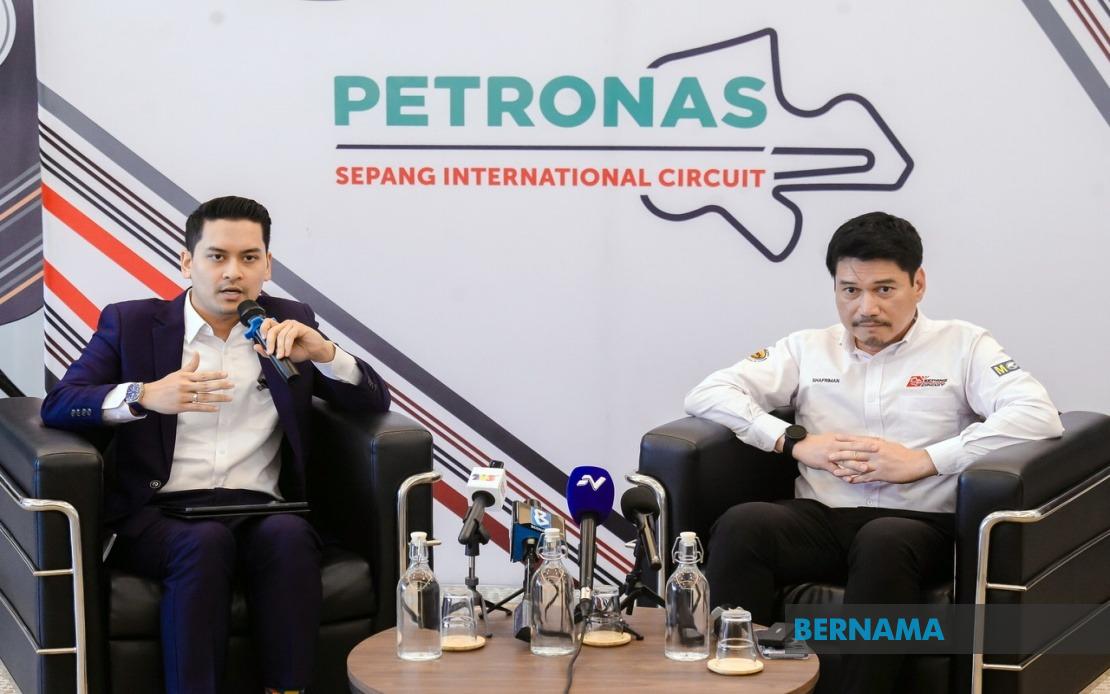
Malaysia has successfully extended its hosting agreement for the Motorcycle Grand Prix until 2031, with the new five-year contract receiving Cabinet approval and commencing next year. Youth and Sports Minister Dr Mohammed Taufiq Johari made the announcement at the Sepang International Circuit, describing the renewal as far more than a simple continuation of a major sporting event.
The minister characterised the contract extension as a deliberate strategic choice designed to fortify Malaysia's standing within the international motorsport community. By securing a commitment through the end of the decade, the government signals its intention to build long-term capability and infrastructure around the annual racing spectacle. This approach distinguishes Malaysia from other nations that view hosting major sporting events primarily through a single-year lens, instead positioning the country as a reliable, predictable venue for the sport's elite competition.
Economic considerations form a cornerstone of the government's rationale for the extension. According to a formal impact assessment, the 2024 edition of the Malaysian MotoGP delivered approximately RM694 million in overall economic benefits to the nation. The event proved instrumental in generating employment, creating more than 4,400 job opportunities across multiple sectors. The return on investment figure of approximately 6.3 times underscores the financial logic behind the renewal decision—for every ringgit committed to hosting the event, the country receives substantially more in return through visitor spending, wages, and economic activity.
The ripple effects of the championship extend well beyond the racing weekend itself. The tourism and hospitality sectors experience significant boosts from the influx of international visitors, team personnel, and media representatives. Transportation networks benefit from increased demand for services, while small and medium enterprises capitalise on enhanced consumer spending and commercial opportunities. This distributed economic benefit explains why successive Malaysian governments have prioritised securing and maintaining the MotoGP contract, treating it as a crown jewel in the national sporting calendar.
Beyond immediate economic metrics, the Malaysian MotoGP serves as a catalyst for developing technical expertise and motorsport talent within the country. The government has structured its approach through the Malaysian Motorsport Development programme, creating pathways for young riders to acquire competitive experience and international exposure. This systematic development framework has already yielded results, with Malaysian riders including Hakim Danish and Qabil Irfan gaining prominence on the global motorsport stage. The visibility and legitimacy these athletes gain from competing in their home country creates spillover benefits for grassroots motorsport participation and aspiration.
The historical trajectory of Malaysia's involvement with MotoGP dates back to 1991, when the country first welcomed the championship to Malaysian soil. The transition to the Sepang International Circuit in 1999 marked a pivotal moment, transforming the venue from a temporary host into a permanent fixture on the global motorsport calendar. Over two decades at Sepang, the circuit has established itself as one of the premier racing facilities in Southeast Asia, incorporating world-class infrastructure and hosting multiple international motorsport categories alongside the headline MotoGP event.
For Malaysian readers, the contract extension carries implications for regional positioning within Southeast Asia's sporting and economic landscape. Thailand hosts the MotoGP only periodically, while Singapore focuses on Formula 1 through the Marina Bay circuit. Malaysia's secure, long-term commitment to MotoGP establishes the country as the region's motorsport capital, attracting sustained investment in racing infrastructure, hospitality facilities, and ancillary services. This distinction carries soft power benefits, enhancing Malaysia's international profile and attracting visitors who might otherwise direct tourism spending to competing destinations.
The extension also reflects broader government priorities around diversifying the economy and developing high-value service sectors. Motorsport tourism represents a growing global market segment, with races attracting affluent, international visitors with high spending capacity. By maintaining Malaysia's position within this lucrative niche, policymakers ensure continued foreign exchange earnings and demonstrate commitment to sectors beyond traditional resource extraction or manufacturing.
The timing of the contract renewal also carries significance within Malaysia's motorsport ecosystem. Securing commitment through 2031 provides certainty for private sector investment in hospitality, transportation, and entertainment services surrounding race weekends. Hotels, restaurants, and ancillary businesses can plan expansion and service development with confidence in sustained demand. This predictability encourages capital formation and entrepreneurial activity that might otherwise remain dormant without assurance of continuing events.
Stakeholders in Malaysia's motorsport sector, including circuit operators, local contractors, and the broader hospitality industry, welcome the extension as validation of their competitive advantages and operational excellence. The decision reflects international recognition of Sepang's capabilities and Malaysia's professionalism in event management. Such endorsement strengthens the country's position when bidding for other major sporting events or attracting international motorsport investment beyond the annual championship race.
Looking ahead, the five-year window through 2031 provides Malaysia with adequate planning horizon for infrastructure development and service enhancement. Previous editions have demonstrated areas for improvement in spectator experience, transportation logistics, and venue facilities. The secured contract period enables authorities to implement enhancements gradually while maintaining the operational stability that the international motorsport community values. This approach positions Malaysia not as merely maintaining current standards, but progressively elevating them throughout the extended contract period.
The cabinet-approved extension represents the culmination of sustained effort by government agencies, circuit management, and private sector partners to maintain Malaysia's competitive advantage as a motorsport destination. The decision reaffirms that despite increasing competition from other regional venues and recurring global economic uncertainties, Malaysia remains an attractive, reliable host for the world's premier motorcycle racing championship. For a nation seeking to establish itself as a regional hub for premium sporting events and develop sustainable economic value from major international competitions, the MotoGP contract renewal through 2031 constitutes a significant strategic achievement.

