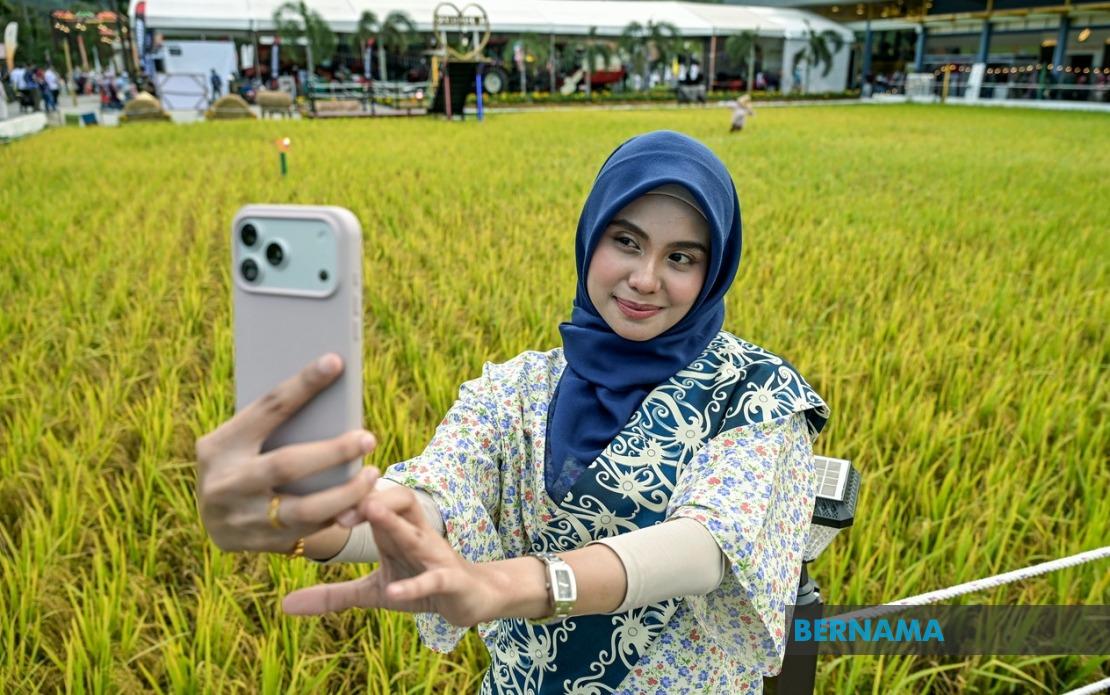
Malaysia's agricultural sector has achieved a notable milestone with the Malaysia Book of Records recognising the Paddy Art at Laman Padi as the nation's largest paddy art formation. Created for the Malaysia Agriculture, Horticulture and Agrotourism Exhibition (MAHA) 2026 at Malaysia Agro Exposition Park Serdang, the distinctive artwork features the Jalur Gemilang alongside heart and hand motifs, with the word 'Jati' incorporated throughout the design. The creation demonstrates how traditional farming methods can be transformed into compelling visual attractions through careful planning and strategic crop selection.
The artistic accomplishment required meticulous execution using the MR284 paddy variety, with farmers employing staged planting techniques to achieve the desired visual impact. By manipulating planting schedules, different sections of the paddy field mature at varying rates, producing distinct colour variations that combine to form the cohesive national imagery. This technical approach illustrates how agricultural knowledge intersects with creative vision, bridging conventional farming practices with contemporary artistic expression. The project represents a collaboration between government agencies and private sector partners, highlighting the potential for strategic partnerships in driving innovation within Malaysia's agricultural landscape.
Agriculture and Food Security Minister Datuk Seri Mohamad Sabu emphasised that the Paddy Art initiative symbolises a paradigm shift in how Malaysia views its rice-growing regions. Rather than limiting paddy fields to their traditional role as food production zones, the minister underscored that these landscapes possess untapped potential for generating economic value through creative agrotourism ventures. This perspective carries significant implications for rural communities and farming families seeking diversified income streams beyond commodity crop sales. As global agriculture faces mounting pressures from climate change and market volatility, such innovative approaches provide pathways for sustainable rural development.
The Laman Padi venue itself spans seven acres and incorporates seven distinct paddy plots alongside two comprehensive information centres and gallery spaces. Each component of the site has been designed to offer visitors unique narratives about Malaysia's rice industry, creating layered educational and entertainment experiences. This architectural approach recognises the diversity of visitor interests and ensures that families, agricultural professionals, and casual tourists can each find meaningful engagement with the content presented. The integration of physical space with curated storytelling reflects contemporary museum and exhibition design principles adapted specifically for agricultural settings.
During the 10-day MAHA 2026 exhibition, Laman Padi expects to welcome approximately 10,000 visitors daily, with initial attendance figures already demonstrating strong public interest in the venue. The substantial foot traffic validates assumptions about urban Malaysians' growing curiosity regarding agricultural processes and rural heritage. Younger generations, in particular, have experienced diminishing direct exposure to farming activities due to urbanisation and lifestyle changes. Facilities like Laman Padi address this knowledge gap by providing hands-on learning opportunities in accessible, organised settings that complement classroom education.
The venue deliberately blends traditional and contemporary elements to chronicle the evolution of Malaysia's rice and paddy industry across different eras. Visitors encounter both historical narratives about farming practices from previous generations and modern technological innovations reshaping the sector today. This historical-contemporary framework helps audiences understand paddy cultivation as a dynamic field rather than a static or outdated enterprise. By contextualising agriculture within broader societal development patterns, the exhibition makes farming relevant to urban populations who might otherwise view agricultural topics as peripheral to their interests.
Educational engagement forms a central pillar of Laman Padi's programming, with approximately 10 schools participating in paddy-related activities throughout the exhibition period. Student participants gain direct experience in paddy planting, moving beyond theoretical knowledge to develop practical agricultural literacy. Such immersive educational experiences prove particularly valuable for children growing up entirely in urban environments, offering tangible understanding of food production systems that their daily consumption often obscures. Teachers recognise the value of these field-based learning opportunities in complementing curriculum delivery and fostering environmental awareness.
The venue functions simultaneously as a commercial and promotional platform for industry stakeholders across Malaysia's rice value chain. Major players including BERNAS and numerous other enterprises use Laman Padi to demonstrate products, engage directly with consumers, and build brand awareness among diverse visitor demographics. This marketplace dimension transforms the exhibition from a purely educational or tourist attraction into a functioning commercial ecosystem. Participating companies benefit from concentrated customer traffic and controlled promotional environments, while visitors gain exposure to quality products and services related to rice and paddy industries.
Culinary programming complements the agricultural and commercial dimensions of Laman Padi, with food vendors presenting diverse regional Malaysian dishes featuring rice as a primary ingredient. These gastronomic offerings serve multiple purposes simultaneously: they provide visitor amenities, celebrate Malaysia's culinary heritage, and reinforce the cultural significance of rice across the nation's diverse communities. Food-based engagement proves particularly effective at attracting repeat visitors and extending stay duration, as appetite and mealtimes naturally structure visitor experiences within exhibition spaces.
The recognition by Malaysia Book of Records carries broader significance beyond simple achievement acknowledgement. Official documentation of Malaysia's largest paddy art formation positions the country as an innovator within agrotourism domains, potentially attracting international attention and establishing benchmarks for agricultural tourism development across Southeast Asia. Such recognition can influence global perceptions of Malaysian agriculture, shifting narratives away from commodity production frameworks toward creative enterprise and experiential value generation. For policymakers and industry leaders, this validation provides empirical evidence supporting continued investment in agricultural tourism infrastructure and initiatives.
Agrotourism expansion addresses critical rural economic development challenges by creating non-traditional income sources for farming families and rural communities. Urban tourism spending can flow directly into agricultural regions, supporting local businesses and employment beyond traditional farming roles. This economic diversification proves increasingly necessary as conventional paddy cultivation faces margin compression from input cost inflation, commodity price volatility, and climate variability. By positioning paddy fields as tourist attractions and educational destinations, communities generate complementary revenue streams that stabilise overall agricultural enterprise viability.
The Laman Padi initiative reflects broader sectoral recognition that modern Malaysian agriculture must evolve beyond production-focused models toward integrated agribusiness ecosystems encompassing tourism, education, commerce, and cultural experience. Minister Mohamad Sabu's framing of paddy fields as multi-purpose assets capable of advancing technology, education, employment, and value creation suggests comprehensive policy evolution within Malaysia's agricultural governance structures. This expanded vision requires coordination across multiple government agencies, private sector partners, educational institutions, and community organisations. Successful implementation of such integrated approaches positions Malaysia advantageously within Southeast Asian agricultural markets while addressing pressing rural development objectives.

