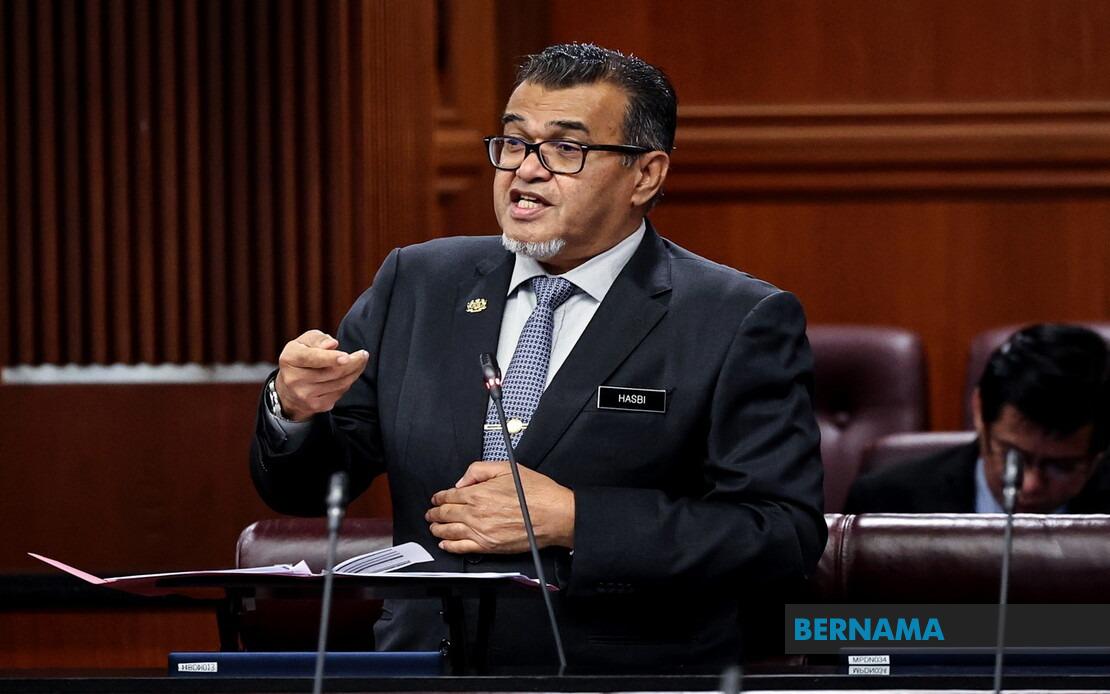
The Malaysian government is moving ahead with comprehensive legislative changes aimed at combating the persistent problem of railway asset theft and vandalism, with Deputy Transport Minister Datuk Hasbi Habibollah announcing that revised laws will be presented to Parliament before year-end. Speaking in the Dewan Rakyat in response to parliamentary questions about railway crime, Hasbi outlined a multi-pronged approach that recognises the inadequacy of existing legal frameworks in deterring offenders who have traditionally faced minimal consequences for their actions.
Currently, individuals caught trespassing on railway property face fines as low as RM500 to RM1,000—penalties that Hasbi characterised as insufficient deterrents in the face of organised criminal networks targeting valuable rail infrastructure. The amendments will substantially increase punishment levels, particularly for cable theft cases where security implications extend beyond mere financial loss to potentially disrupt critical transport operations and endanger public safety. This legal overhaul reflects growing government recognition that the railway sector has become an attractive target for criminal enterprise, with thieves operating with apparent impunity under outdated legislation drafted before modern organised theft syndicates became entrenched in Malaysia's criminal landscape.
The scale of the problem is sobering. Over the past three years, Malaysian railways have suffered 393 documented cable theft incidents involving approximately 19,756 metres of stolen cable, translating to estimated losses of RM16.3 million. These figures likely represent only recorded incidents, with actual losses potentially significantly higher given the challenges in detecting and documenting theft in remote rail corridors and the informal nature of many scrap metal transactions. The theft pattern suggests sophisticated coordination between field operatives who remove cables and downstream recipients within Malaysia's recycling and scrap metal industry—a supply chain that authorities must disrupt to effectively address the root causes of the problem.
Recognising that legal penalties alone cannot solve the challenge, the government is pursuing parallel strategies targeting the economic incentives that drive cable theft. Strategic collaboration with the Royal Malaysian Police has expanded to encompass engagement with scrap metal operators and dealers, with authorities seeking commitments that these businesses will refuse to purchase materials of suspicious origin. By attacking the demand side of the stolen goods market, this approach aims to eliminate the financial rewards that currently motivate criminals to risk arrest and imprisonment. The initiative represents sophisticated crime prevention strategy, as experience worldwide demonstrates that criminals abandon lucrative activities only when the risk-reward calculation becomes unfavourable.
Technological solutions form a cornerstone of the expanded security framework. The Railway Assets Corporation has invested RM14 million to deploy 1,146 closed-circuit television systems equipped with artificial intelligence capabilities across high-risk locations throughout Malaysia's rail network. These smart cameras represent a significant advancement over traditional CCTV, as artificial intelligence algorithms can detect suspicious activities, recognise patterns of criminal behaviour, and alert authorities to incidents in real-time rather than requiring manual review of footage after crimes have occurred. The strategic placement of these systems in known theft hotspots creates both visible deterrence and functioning detection capacity that previous generations of security technology could not achieve.
Complementing ground-based surveillance, authorities have introduced aerial monitoring capabilities using drone technology to observe areas that conventional foot patrols cannot easily access. Railway corridors often traverse remote terrain, abandoned properties, and industrial zones where traditional security patrols face logistical limitations. Drone surveillance overcomes these geographic barriers, allowing authorities to monitor stretches of track simultaneously and respond rapidly to suspicious activities detected in real-time. This aerial capacity also serves a preventive function, as would-be thieves aware of drone patrols may avoid areas where they face detection.
Enhanced enforcement capacity comes through expansion of the Auxiliary Police presence specifically focused on railway security. Keretapi Tanah Melayu Berhad has secured approval to acquire 20 scrambler motorcycles for auxiliary police units, enabling faster response times to reported incidents and more flexible patrols through railway yards and surrounding areas inaccessible to conventional patrol vehicles. Motorcycles provide the mobility necessary to pursue suspects through industrial zones and informal settlements adjacent to railway corridors, while their presence contributes to visible security that deters opportunistic criminals. This addition to the security apparatus recognises that detection and apprehension capacity directly influences offender behaviour.
For Malaysia's transport sector, railway security carries implications extending beyond immediate property protection. Modern economies depend on reliable infrastructure, and cable theft disrupts not only the railway operator's maintenance schedules but also creates safety risks for passengers and staff. Damage to signalling or communication cables can compromise operational safety systems, potentially endangering lives. From a broader economic perspective, the vulnerability of railway assets to organised theft undermines investor confidence in the sector and raises operational costs as utilities must invest in expensive security measures that ultimately feed into higher ticket prices and reduced service competitiveness compared with road transport alternatives.
The government's comprehensive approach addresses both the supply and demand dimensions of the theft problem whilst building technical and human capacity for detection and response. However, success depends on sustained commitment and coordination across multiple agencies—transport authorities, police, local government bodies responsible for areas surrounding railways, and the private scrap metal industry. Organised theft networks have adapted successfully to previous enforcement campaigns, and criminals will respond to these initiatives by shifting tactics or targeting less-protected assets. Maintaining momentum requires continued investment in technology upgrades, ongoing training for security personnel, and regular assessment of emerging threat patterns that criminals may adopt.
The legal amendments now being finalised will test whether substantially increased penalties meaningfully deter participation in railway cable theft organised by networks that may compensate members handsomely. International evidence suggests that certainty of apprehension deters crime more effectively than severity of punishment alone, making the technological and enforcement enhancements perhaps more critical than legislative changes. As Malaysia's rail sector continues modernisation and expansion to support urban mobility and freight movement, ensuring the integrity and security of these assets becomes increasingly central to the nation's transportation infrastructure strategy and regional position as Southeast Asia's logistics hub.

