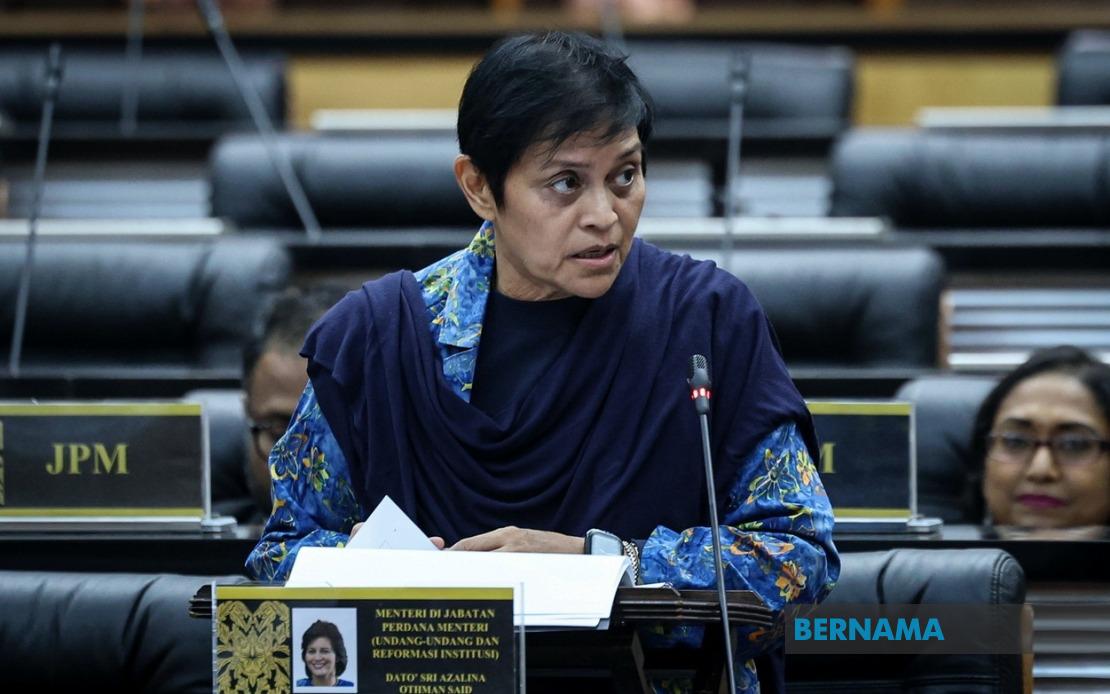
The government has moved to significantly strengthen Malaysia's witness protection infrastructure by tabling the Witness Protection (Amendment) Bill 2026 in the Dewan Rakyat. Datuk Seri Azalina Othman Said, the Minister in the Prime Minister's Department (Law and Institutional Reform), presented the Bill for its first reading on July 13, signalling the administration's commitment to modernising protections for individuals who testify in legal proceedings. The proposed amendments address long-standing gaps in the current 2009 framework, particularly concerning vulnerable witnesses and the comprehensive support mechanisms available to programme participants.
One of the most significant changes introduced by the Bill centres on expanding access to the witness protection programme for minors and individuals lacking mental or legal capacity. Under the existing Witness Protection Act 2009, protections have been limited in scope when it comes to younger or vulnerable witnesses. The amendment, through Clause 2, modifies subsection 7(3) of the principal Act by inserting the phrase "or lacks legal capacity" after references to individuals under eighteen years old. This expansion allows parents or legal guardians to formally apply for programme admission on behalf of witnesses who cannot independently consent to protection measures, addressing a critical protection gap for vulnerable populations who may face intimidation or harm.
The Bill introduces a formal contractual framework governing the relationship between witness protection programme participants and the government through the proposed introduction of Sections 10A and 10B into the 2009 Act. Section 10A mandates that all participants, or their authorised representatives, must execute a written agreement before a designated officer. This agreement establishes the precise terms and conditions of protection being provided, clearly delineates the participant's obligations and responsibilities, and specifies the nature of assistance available throughout their enrolment. This formalisation represents a significant procedural advancement, as it creates documentary evidence of what participants can expect and what they must comply with, reducing ambiguity and potential disputes.
Protection for existing programme participants remains a central concern addressed by Section 10B, which ensures continuity for individuals already within the system. The clause recognises that many participants have entered agreements under the current legislative framework and provides that these arrangements will remain valid following the amendment's passage. Importantly, the provision stipulates that both the government and participants will continue to enjoy the rights and benefits specified in the amended Act, preventing any diminution of protections for those already enrolled. This transitional approach balances legislative reform with practical fairness to individuals who have already committed to participation.
The psychological dimension of witness protection receives heightened recognition through Clause 4, which amends subsection 13(2) of the 2009 Act to explicitly include psychological assistance and counselling services within the range of support available to programme participants. This change reflects contemporary understanding of the trauma associated with testifying, particularly in criminal cases involving violence, organised crime, or sensitive circumstances. Witnesses often experience lasting psychological harm from both their initial experiences and the process of legal testimony, making access to professional mental health support a critical component of comprehensive protection. The amendment ensures that counselling services are no longer discretionary add-ons but integral elements of the protection package.
The timing and scope of this amendment reflect growing recognition across the Commonwealth jurisdictions that witness protection programmes require periodic enhancement to meet evolving needs. Malaysia's approach aligns with international best practices seen in countries such as Australia and the United Kingdom, where psychological support and formal agreements have long been standard features. The inclusion of post-protection assistance provisions recognises that programme participants may require ongoing support even after their formal engagement with the protection scheme ends, acknowledging the long-term nature of witness trauma and reintegration challenges.
For Malaysian practitioners and the criminal justice system broadly, this Bill promises enhanced effectiveness in securing witness cooperation. Individuals contemplating testimony often weigh the personal risks against their civic duty, and robust protection mechanisms—particularly psychological support—can meaningfully influence decisions to come forward. In organised crime investigations, corruption cases, and human trafficking matters where witness intimidation presents real dangers, these enhancements could prove consequential. The formalisation of agreements also provides courts and investigating agencies with clearer documentation of what protections have been offered and accepted, strengthening the evidentiary foundation of trials.
The amendment also addresses practical governance concerns by clarifying the procedural mechanisms through which witnesses access protection. By requiring designated officers to oversee agreement execution and establishing clear documentation requirements, the Bill reduces opportunities for administrative irregularities or misunderstandings. This procedural transparency serves both participants, who gain certainty about their protections, and government agencies responsible for programme administration, who operate within clearly defined legal frameworks.
For individuals considering whether to become prosecution witnesses, the Bill's enhancements should theoretically increase confidence in the protection system's comprehensiveness and professionalism. Young witnesses and those with cognitive or developmental challenges previously faced barriers to programme access; this amendment removes those obstacles. Similarly, the explicit inclusion of psychological support signals institutional recognition that protecting witness safety involves more than physical security measures—it requires attention to mental health and wellbeing throughout and after participation.
The Bill's presentation during the current parliamentary sitting and its scheduled second reading suggest parliamentary momentum behind these reforms. If passed without significant amendment, the legislation would establish Malaysia's witness protection framework among the more comprehensive in the region, incorporating best practices observed in mature Commonwealth systems while remaining tailored to Malaysian circumstances and legal traditions. The amendments represent incremental but meaningful progress toward a more protective and humane system for individuals who perform the essential civic function of testifying before courts.

