Malaysia's government has committed to establishing at least 1,000 MADANI Recreational Parks across the country by 2030, marking an ambitious expansion of public recreational infrastructure designed to serve communities at the grassroots level. The initiative reflects a broader national strategy to ensure that quality leisure and sports facilities reach residents in both urban and suburban areas, rather than remaining concentrated in major city centres.
As of 2025, the National Landscape Department has completed 216 of these parks, with a further 100 currently under construction across various locations nationwide. This represents tangible progress toward the ambitious 2030 target, though it also underscores the substantial work required to reach the four-digit goal within the next five years. The pace of development will need to accelerate significantly, requiring coordination between federal and state governments, as well as sustained budgetary allocation and project management capacity.
The typical construction cost for each MADANI Recreational Park ranges between RM400,000 and RM500,000, with variations depending on site dimensions and architectural design. This pricing structure provides a useful benchmark for estimating the total capital investment required to complete the full 1,000-park program, though land acquisition costs and site preparation expenses may add substantially to the per-park figure. The financial commitment underscores government determination to prioritise community spaces in an era when public land and urban planning decisions face increasing competition.
A defining characteristic of these parks is their deliberate placement within residential neighbourhoods and community zones. This strategy ensures that recreational facilities remain within walking distance for most residents, addressing a persistent gap in Malaysia's urban infrastructure where parks and sports amenities are sometimes isolated from daily living spaces. By embedding these parks directly into residential areas, the government aims to normalise outdoor recreation and physical activity as accessible community practices rather than destination activities requiring transport.
The parks have been designed according to universal design principles, a concept gaining traction globally in public infrastructure planning. Under this approach, facilities accommodate users across all age groups and physical abilities—from young children and teenagers to adults, elderly persons, and individuals with disabilities. This inclusive methodology represents a significant shift from traditional parks that may inadvertently create barriers for certain user groups. Universal design ultimately broadens the social impact and utility of public investment by ensuring that infrastructure serves the widest possible population.
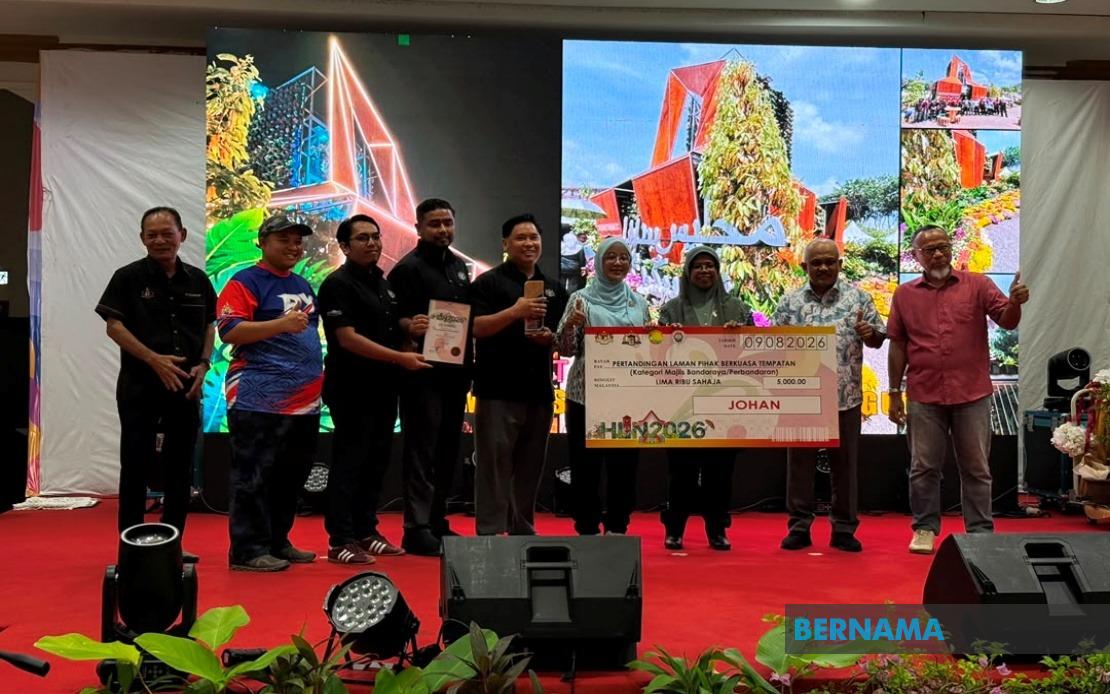
The inaugural National Landscape Day celebration, held recently in Melaka, demonstrated considerable public enthusiasm for such initiatives. The four-day event attracted approximately 80,000 visitors, indicating strong community interest in landscaping, green spaces, and outdoor recreation. Deputy Housing and Local Government Minister Datuk Aiman Athirah Sabu officiated the event, while state officials participated, reflecting the multi-level government coordination required to execute the parks program successfully.
Beyond recreation, the MADANI parks initiative serves as a platform for the landscape and horticulture industries. The National Landscape Day celebration provided entrepreneurs and landscape companies an opportunity to display and commercialise their products, from plants and garden fixtures to landscaping design services. This market-activation function supports economic activity within the green economy sector, which increasingly represents employment and business opportunities in Malaysia's service and creative economy.
The naming of these facilities—MADANI parks—connects them to the government's broader MADANI (Madrasah, Agriculture, Digital economy, Nation, Integration) agenda, though the parks themselves function primarily as community recreation spaces rather than venues for the other policy pillars. The MADANI branding nonetheless signals that park development is integrated within a larger national development philosophy emphasising inclusive growth and community well-being.
For Malaysian readers and Southeast Asian observers, the parks initiative addresses several pressing challenges. Rapid urbanisation and the expansion of built-up areas have displaced many traditional gathering spaces in Malaysian towns and cities. Climate concerns about urban heat islands and air quality make green spaces increasingly important for public health. Additionally, childhood obesity and sedentary lifestyle trends across the region create demand for accessible, low-cost recreational infrastructure that encourages outdoor activity without requiring gym membership or travel to distant venues.
The 2030 target represents an ambitious timeline, requiring an average of roughly 140 parks annually if the current completion rate of approximately 54 parks per year is maintained. Acceleration would demand enhanced funding, streamlined approval processes, and possibly increased involvement of local authorities and private partners. State governments, which typically manage land use planning and local development, will be critical to sourcing suitable sites and expediting project implementation.
Planning for the next National Landscape Day celebration is already underway, with organisers identifying potential host locations and soliciting stakeholder feedback. This iterative approach to program refinement suggests that the government intends to learn from each year's experience and adjust the parks program based on community needs and implementation challenges. Regular public engagement events also maintain political momentum and public awareness, important factors in sustaining long-term infrastructure programs that extend beyond single electoral cycles.
The MADANI parks initiative ultimately represents a nation-building effort disguised as urban planning. By distributing recreational infrastructure equitably across communities, creating inclusive spaces for diverse user groups, and fostering appreciation for landscaping and green space, Malaysia is constructing the physical and cultural foundations for a more liveable, healthy, and cohesive society. The success of the 1,000-park vision will depend not merely on construction completion, but on whether these spaces genuinely become beloved community assets that anchor local identity and encourage regular public engagement.

