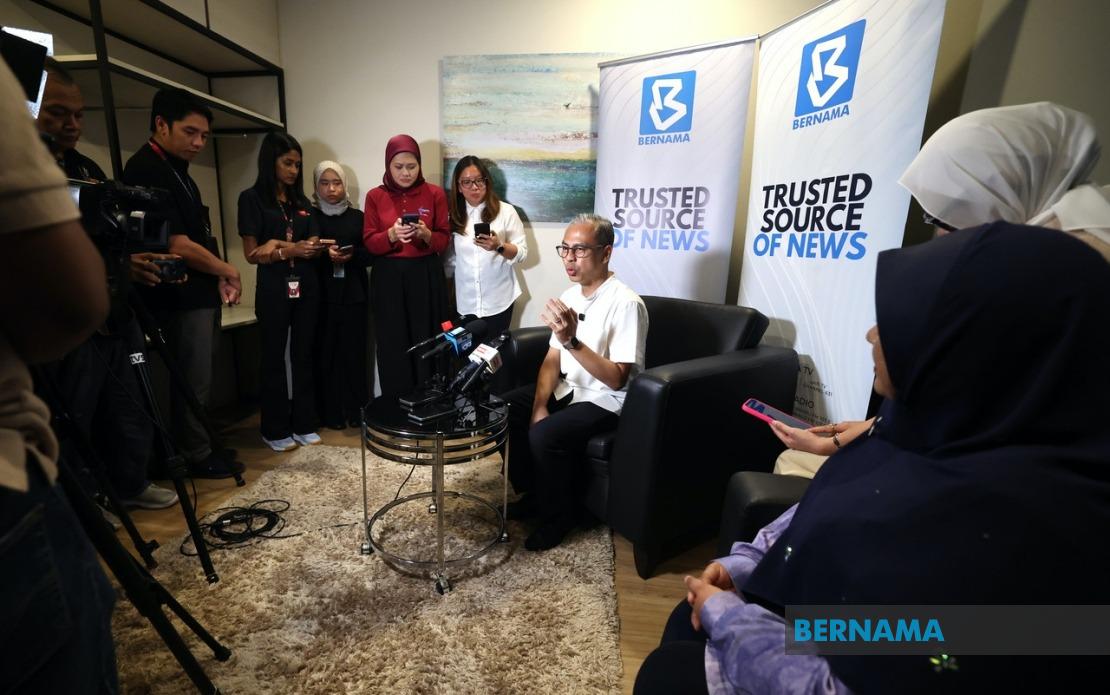
Communications Minister Datuk Fahmi Fadzil has prioritised mobile network coverage at the upcoming Johor Bahru-Singapore Rapid Transit System Link, instructing the Malaysian Communications and Multimedia Commission to deliver optimal 4G and 5G connectivity before the service begins operating on January 1, 2027. The minister emphasised that ensuring a seamless digital experience for cross-border commuters represents a key operational priority, reflecting Malaysia's broader commitment to integrating telecommunications infrastructure with major transport projects.
The RTS Link represents a significant infrastructure milestone for the region, comprising a four-kilometre railway shuttle with stations at Bukit Chagar in Johor Bahru and Woodlands North in Singapore. Given the cross-border nature of the service and the anticipated volume of daily commuters, robust mobile connectivity becomes essential not only for passenger convenience but also for enabling cashless transactions, navigation services, and emergency communications. Fahmi indicated that he plans to conduct a formal inspection with MCMC officials during a future visit to assess progress on network deployment at both stations.
The minister's directive reflects broader challenges Malaysia faces in delivering equitable digital infrastructure across the country. While urban transit hubs like the RTS Link stations represent manageable deployment environments, the underlying connectivity gaps in rural areas underscore systemic issues that demand sustained investment and innovative solutions. Fahmi acknowledged that weak internet coverage continues to impede digital payment adoption in several rural communities, particularly hampering QR code-based transactions that have become central to Malaysia's digital economy.
Addressing these infrastructure gaps, the government is implementing Phase Two of the National Digital Network (JENDELA), which is expected to resolve most outstanding connectivity issues in underserved areas. However, the minister noted that constructing new telecommunications towers typically requires 12 to 24 months of development time, involving complex processes including land acquisition, equipment installation, and securing local authority approvals. This extended timeline underscores why proactive planning for major projects like the RTS Link becomes critical.
While building new towers remains the conventional approach, Fahmi highlighted that the government increasingly leverages passive infrastructure by deploying equipment on existing structures already in place across the landscape. However, many existing towers lack the sophisticated telecommunications equipment necessary to deliver modern 4G and 5G services, necessitating targeted upgrades to enhance their capability. This pragmatic approach allows for faster deployment in certain locations while minimising the extensive preparatory work required for new tower construction.
Beyond traditional infrastructure expansion, the government is exploring alternative technologies to bridge connectivity gaps in remote communities. Satellite internet services, including Starlink, represent emerging solutions that can provide high-speed internet access to areas where terrestrial networks remain unviable due to geographical challenges or low commercial appeal. Such technologies offer particular promise for dispersed rural populations where the cost of conventional tower-based infrastructure may not generate sufficient return on investment to attract private sector deployment.
Geographical constraints present acute challenges in specific regions, particularly northern Johor and Malaysia's east coast states, where terrain, extensive oil palm plantations, and scattered settlement patterns complicate network expansion. These areas require differentiated deployment strategies that account for topographical barriers, vegetation density, and population distribution patterns that render standard urban deployment models ineffective. The minister acknowledged that these regional variations necessitate customised approaches rather than one-size-fits-all solutions.
Fahmi delegated detailed examination of alternative technologies to the MCMC, emphasising that while new tower construction may lack commercial viability in low-density regions, diversified technological options now provide viable pathways to improve coverage. This distribution of responsibility reflects a pragmatic governance approach wherein the ministry establishes strategic priorities while regulatory bodies assess technical feasibility and cost-effectiveness of specific solutions. The stance demonstrates recognition that telecommunications infrastructure challenges require regulatory expertise and market analysis alongside political commitment.
The RTS Link project's telecommunications requirements exemplify how major infrastructure developments can catalyse broader digital infrastructure improvements. By establishing demanding coverage standards for a high-profile cross-border facility, the ministry creates accountability mechanisms and demonstrates commitment to integrating modern digital services with physical infrastructure. The 2027 deadline provides clear scheduling parameters that allow MCMC to coordinate with telecommunications providers and plan deployment sequencing appropriately.
For Malaysian commuters, optimal mobile coverage at the RTS Link stations will enable seamless journey planning, real-time transit information, and contactless payment systems that many regional users now expect as standard features. The service will attract significant daily traffic from both Malaysian and Singaporean residents, positioning it as a showcase for cross-border digital infrastructure. Connectivity quality at these stations will likely influence commuter experience and perception of Malaysia's technological advancement relative to Singapore.
The broader policy context reveals Malaysia's strategic emphasis on digital inclusion as both an economic and social priority. Addressing rural connectivity gaps while simultaneously ensuring cutting-edge coverage at flagship infrastructure projects reflects a dual mandate to modernise urban facilities while reducing digital divides in peripheral regions. This balancing act remains central to Malaysia's Vision 2050 aspirations and digital economy development targets that depend on universalised broadband access.
Looking forward, the RTS Link telecommunications infrastructure may serve as a replicable model for future cross-border and major domestic infrastructure projects. Success in deploying comprehensive 4G and 5G coverage by the 2027 launch date could establish best practices for integrating digital services into transport infrastructure development. Conversely, any coverage shortfalls would highlight persistent challenges in coordinating telecommunications deployment with major capital projects, potentially informing more robust frameworks for future initiatives.
The ministry's proactive approach to ensuring telecommunications readiness at the RTS Link stations signals recognition that transport infrastructure in the modern era must encompass digital connectivity as a core operational component rather than an afterthought. As Malaysia positions itself as a regional technology hub and digital economy leader, demonstrating capacity to deliver integrated physical and digital infrastructure at complex cross-border projects becomes increasingly important for national reputation and competitive standing within Southeast Asia.

