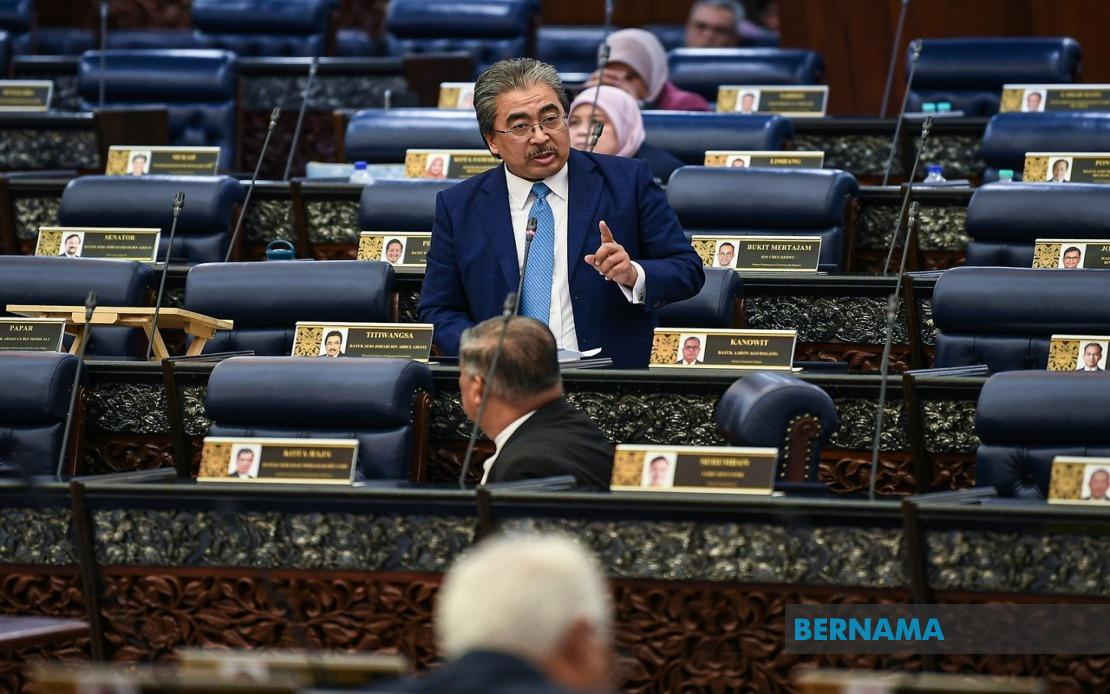
Malaysia is moving to establish a comprehensive system that will block imports of merchandise manufactured under forced labour conditions, according to Investment, Trade and Industry Minister Datuk Seri Johari Abdul Ghani. The initiative represents a significant shift in the country's approach to international trade compliance, particularly in response to mounting pressure from key trading partners and the threat of punitive tariffs. Currently, Malaysia lacks formal legislation or regulatory mechanisms to prevent the entry of such goods, leaving the country exposed to criticism and potential trade sanctions from major economies scrutinising labour practices across global supply chains.
The Malaysian government has formalised its response by establishing an Inter-Agency Task Force on Forced Labour, overseen by the Ministry of Investment, Trade and Industry. This coordinated effort brings together multiple government departments to study and develop the necessary legal and administrative framework. The task force composition reflects the complexity of the issue, spanning trade, finance, foreign affairs, immigration, employment, and transport portfolios. Additionally, law enforcement and regulatory agencies including the Attorney-General's Chambers, Royal Malaysian Customs Department, Malaysian Border Control and Protection Agency, and Royal Malaysian Police are involved, indicating that implementation will require both legislative change and enhanced enforcement capacity.
The urgency of Malaysia's action stems directly from a looming threat in bilateral trade relations with the United States. The US Department of Commerce has been conducting a Section 301 investigation into forced labour practices, and Malaysia faces a preliminary tariff of 10 per cent on exports if it fails to implement adequate safeguards by July 24. This deadline creates significant pressure on policymakers to move swiftly, as such tariffs would impact Malaysian manufacturers and exporters across multiple sectors. The precise identification of Malaysia as a country without specific legal restrictions on forced labour-made imports has essentially placed the nation on notice internationally.
The broader context involves a US investigation that examined 60 countries for their compliance with forced labour import restrictions. Malaysia's classification as one of 54 nations entirely lacking such legislation underscores a gap in domestic regulatory architecture compared to more developed trading partners. Six additional countries were found to have laws on the books but to have failed in enforcement, suggesting that legal frameworks alone are insufficient without robust monitoring and penalties. This distinction highlights the challenge ahead for Malaysian authorities, who must not only draft new legislation but ensure it functions effectively in practice.
The mechanism being developed must navigate the intersection of labour rights, trade policy, and economic interests. Malaysia's manufacturing sectors, particularly electronics, palm oil, and textiles, have faced international scrutiny over labour standards in supply chains. Building an effective import screening system will require customs authorities to identify, verify, and trace the origins of goods potentially produced under exploitative conditions. This demands investment in training, technology for supply chain verification, and potentially cooperation with overseas counterparts to validate labour practices at source.
Domestic implementation also requires coordination with Malaysian exporters and manufacturers, many of whom operate in global value chains where forced labour risks may exist several tiers removed from direct producers. Companies will need clearer guidance on due diligence obligations and how to demonstrate compliance. The framework must balance protecting Malaysia's international reputation and trade relationships with not unnecessarily burdening legitimate businesses that already maintain ethical labour standards.
The US investigation process remains ongoing on a second track examining market access issues, which could trigger additional tariffs or trade restrictions. This parallel investigation suggests Malaysia may face cumulative trade pressure beyond the forced labour tariff unless concessions are reached. The 10 per cent indicative tariff carries real economic consequences, potentially affecting export competitiveness and retaliatory responses if Malaysian policymakers choose to contest the findings.
For Southeast Asian neighbours, Malaysia's experience offers a cautionary tale about the expansion of labour compliance requirements in global trade. As developed nations increasingly weaponise trade rules around labour standards, other regional economies may face similar investigations and deadlines. Thailand, Vietnam, and Indonesia, which also have labour practice concerns, could anticipate comparable pressure. Malaysia's approach to building its framework may therefore set precedent for how the region collectively addresses forced labour issues in international commerce.
The task force's work also reflects changing global attitudes toward supply chain transparency and corporate accountability. International attention to forced labour has intensified as consumers and investors demand ethical sourcing, pushing governments to establish enforceable requirements. Malaysia's shift positions the country as responding to legitimate concerns rather than resisting trade conditionality, potentially protecting its reputation in Western markets where labour standards matter increasingly to purchasing decisions.
Implementation challenges will likely test Malaysia's administrative capacity. Developing verification methodologies, training customs officials, establishing international information-sharing protocols, and determining appropriate penalties for violations all require time and resources. The July 24 deadline, while firm for tariff purposes, may prove insufficient for a fully operational system. Malaysia may need to demonstrate good faith progress to negotiate extended compliance timelines with US trade officials.
Beyond immediate US relations, the mechanism aligns Malaysia with international norms increasingly enforced through trade instruments. The EU's approach through the Generalised System of Preferences, which links trade benefits to labour standards, has already established precedent for linking market access to labour compliance. Malaysia's proactive framework-building may help position the country as a credible trade partner in an era when labour practices form part of standard commercial negotiations.
The initiative also signals Malaysia's commitment to combating human trafficking and labour exploitation domestically. Building institutional capacity to detect forced labour in imports naturally extends to strengthening oversight of domestic production. This could ultimately benefit Malaysian workers by raising standards across industries facing international competition and scrutiny.
As Malaysia develops this mechanism over coming months, success will depend on meaningful interagency coordination, adequate resourcing, and genuine commitment to enforcement rather than symbolic compliance. The framework will test whether Malaysian governance can respond effectively to contemporary trade challenges that merge commercial, security, and human rights considerations into single policy requirements.

