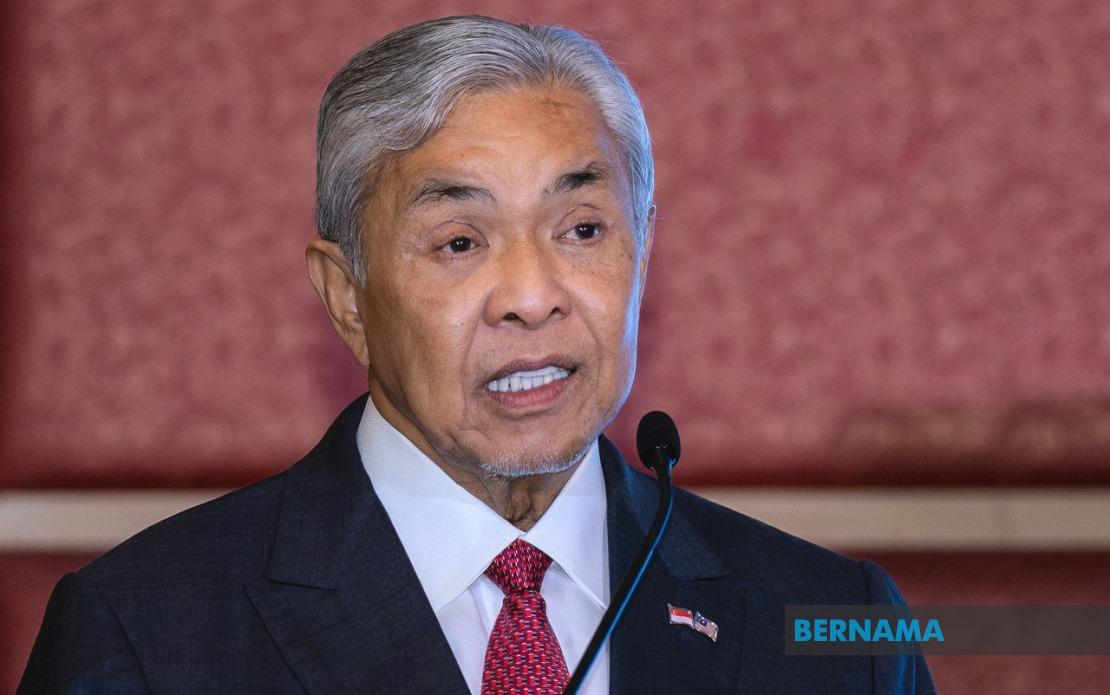
Malaysia is moving toward developing an autonomous system for managing its substantial refugee and asylum seeker population, marking a significant shift toward self-reliance in handling what has become a complex humanitarian and security challenge. Deputy Prime Minister Datuk Seri Dr Ahmad Zahid Hamidi announced that the country will establish its own comprehensive mechanism without depending on external entities, building upon the framework established through National Security Council Directive No. 23, which Prime Minister Datuk Seri Anwar Ibrahim signed on June 14, 2023. This policy represents the government's attempt to create a coherent national approach to refugee management that balances humanitarian concerns with the nation's security interests.
The proposed framework addresses a longstanding gap in Malaysia's approach to refugee affairs. With more than 126,000 registered Rohingya refugees currently residing in the country, alongside significant numbers of asylum seekers from other nations, the absence of a unified management system has created operational inefficiencies and vulnerability to exploitation. Ahmad Zahid, who also oversees Rural and Regional Development, emphasised that the new mechanism would prioritise efficient administration and enforcement while ensuring proper policy coordination across government entities. The directive aims to clarify the specific functions and responsibilities of every ministry and agency involved in refugee management, eliminating overlapping jurisdictions that have previously hampered effectiveness.
A central component of the new framework involves granting eligible refugees limited access to essential services. Ahmad Zahid indicated that beneficiaries under the scheme would gain permitted access to healthcare facilities, educational institutions, and employment opportunities, contingent upon their compliance with registration and documentation requirements. This measured approach attempts to address humanitarian obligations while maintaining governmental oversight and control. The introduction of the Refugee Registration Document, or DPP, represents a key tool in this effort, allowing authorities to distinguish between properly registered refugees and undocumented migrants who may present security risks. By formalising this distinction through documentation, Malaysia hopes to create a more orderly system that protects both vulnerable populations and national interests.
Security considerations remain paramount in the government's thinking about refugee policy. Ahmad Zahid stressed that safeguarding national security and sovereignty are non-negotiable principles within the new management system. The framework recognises that large refugee populations can create vulnerabilities if inadequately monitored or if their circumstances are exploited by criminal elements or individuals with malicious intent. By establishing clear mechanisms for registration, documentation, and ongoing oversight, the government seeks to prevent security threats while still acknowledging the legitimate needs of displaced persons who have fled conflict or persecution.
Crucially, Ahmad Zahid highlighted a significant implementation challenge that has previously undermined enforcement efforts: the role of local enablers who facilitate irregular migration or exploitation of refugees for personal gain. Certain community members have financially benefited from housing undocumented migrants in exchange for rental income, while others have leveraged refugee populations to access cheap labour for their businesses. These activities undermine government policy and create parallel economies that operate outside formal regulatory frameworks. Ahmad Zahid's candid acknowledgment of this problem suggests the new directive may include provisions targeting such facilitators, though the specific enforcement mechanisms remain unclear.
The articulation of the new approach recognises that effective refugee management requires a delicate equilibrium between strict enforcement of national laws and acknowledgment of broader social responsibilities. The government cannot rely solely on punitive measures; it must also address the economic and social factors that incentivise unscrupulous actors to profit from refugee misery. This suggests future policy refinements may include efforts to improve economic conditions in refugee-hosting communities, reducing the financial incentive for local residents to engage in exploitative practices. Without addressing these underlying motivations, even well-designed bureaucratic systems may fail to achieve their intended outcomes.
The NSC Directive No. 23 represents Malaysia's attempt to move beyond ad-hoc crisis management toward a strategic, whole-of-government approach. By mandating collaboration among various ministries and government agencies, the directive establishes institutional mechanisms for information-sharing, coordination, and unified policy implementation. This represents progress compared to earlier periods when different agencies operated with minimal coordination, sometimes working at cross-purposes. The involvement of the Prime Minister's Department and the National Security Council signals that refugee management has been elevated to a strategic priority at the highest levels of government.
For Malaysia's broader development agenda, the refugee question intersects with multiple policy domains including labour, public health, education, and national security. The new framework must navigate complex trade-offs between allowing refugees to support themselves through legitimate work, which reduces government expenditure and exploitation vulnerability, and protecting local workers from wage competition and labour market displacement. Similarly, providing refugee children access to education serves humanitarian and long-term integration goals but raises questions about educational capacity and cultural integration in schools serving mixed populations.
Regionally, Malaysia's approach carries implications beyond its borders. As a middle-income country hosting the largest number of registered Rohingya refugees globally, Malaysian policy decisions influence how other Southeast Asian nations approach refugee management. Should Malaysia successfully implement a balanced, security-conscious system that respects basic humanitarian standards, it could provide a model for regional peers facing similar pressures. Conversely, should the framework prioritise enforcement to the point of denying basic services or dignity to vulnerable populations, it may set concerning precedents within ASEAN.
The success of the NSC Directive No. 23 and the emerging management mechanism will ultimately depend on consistent implementation, adequate resourcing, and the government's willingness to address the socioeconomic incentives that currently undermine enforcement. The framework's existence on paper means little without functional capacity at the ground level, trained personnel, inter-agency coordination mechanisms, and regular review to identify implementation gaps. Ahmad Zahid's parliamentary response suggests the government recognises these requirements, though translating policy directives into effective operations remains Malaysia's persistent challenge across many governance domains.

