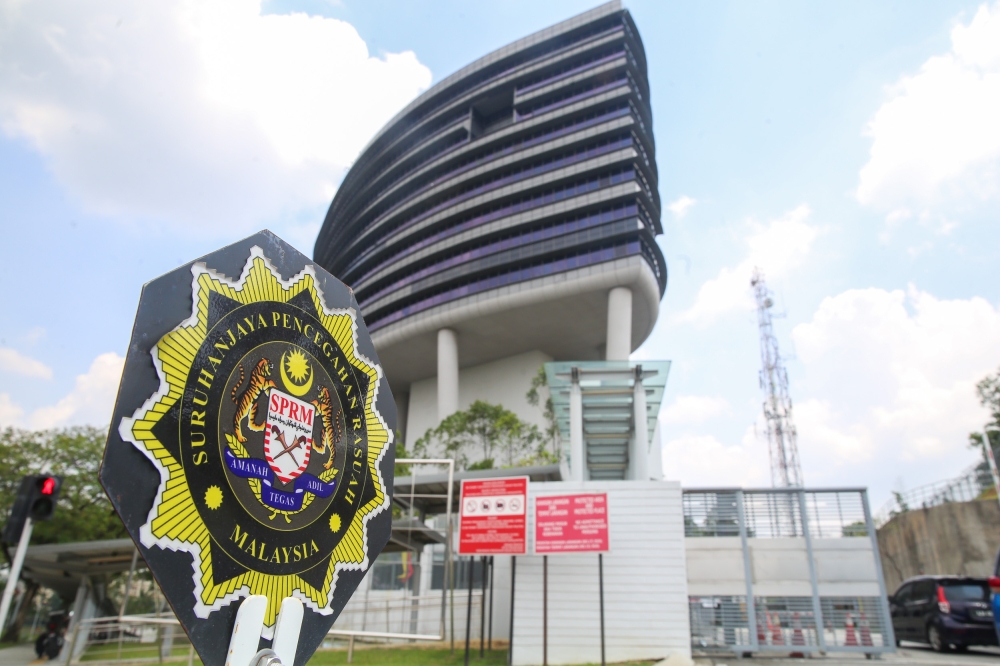
Malaysia's commitment to tackling corruption will be on full display this week as the Malaysian Anti-Corruption Commission hosts a landmark regional gathering aimed at fortifying the fight against graft across Southeast Asia. The 22nd Asean-PAC summit convening in Kuala Lumpur represents a crucial opportunity for the bloc's anti-corruption authorities to align their strategies and address the increasingly sophisticated methods employed by those seeking to exploit governance gaps in the region.
The Asean-PAC, formally known as the Asean Anti-Corruption Authorities Practitioners' Coalition, serves as an important forum where enforcement officials from across the ten-member association share intelligence, coordinate investigations, and develop best practices for combating corruption. For a region that continues to grapple with high levels of graft affecting economic development and public trust, such multilateral cooperation has become indispensable. Malaysia's role as host underscores its position as a key player in regional governance reform, despite the country's own ongoing battles with corruption cases that have captured international attention in recent years.
The timing of the summit reflects growing recognition that corruption transcends borders. Corrupt officials frequently move illicit proceeds across national boundaries, while procurement fraud and embezzlement schemes often involve networks spanning multiple countries. By bringing together anti-corruption agencies from Cambodia, Indonesia, Laos, Myanmar, the Philippines, Singapore, Thailand, and Vietnam alongside Malaysia and Brunei, the gathering provides a platform to dismantle these transnational networks more effectively than any single nation could achieve alone.
Transnational organised crime presents another critical challenge that will likely feature prominently in discussions. Corruption and organised crime are deeply intertwined throughout the region, with criminal syndicates routinely paying bribes to officials to facilitate their operations, whether in human trafficking, drug smuggling, or illegal wildlife trade. Strengthening coordination mechanisms between anti-corruption bodies and law enforcement agencies across borders could significantly disrupt these criminal networks and make it riskier for officials to accept bribes that fund illegal activities.
The MACC's hosting of the summit carries particular significance given Malaysia's complex relationship with anti-corruption efforts. The commission has pursued high-profile cases involving prominent political figures and businesspeople, securing convictions that have signalled serious intent. However, critics argue that enforcement has sometimes been selective or politically motivated, highlighting the tension between robust institutional capacity and concerns about independence. Regardless, Malaysia's platform at this regional forum allows it to project commitment to governance standards and potentially learn from peers' methodologies and institutional safeguards.
Asean members face varying levels of corruption challenges and possess different institutional capacities for addressing them. While Singapore boasts sophisticated enforcement mechanisms and strong institutional independence, other members struggle with limited resources, weak judicial systems, or political interference in anti-corruption investigations. The summit provides an avenue for capacity-building and knowledge transfer, allowing less-resourced agencies to benefit from colleagues' experience with advanced investigation techniques, digital forensics, and asset recovery procedures.
Digital corruption and cybercrime-enabled graft are emerging concerns that likely warrant particular attention at this gathering. As Southeast Asian economies increasingly digitalise, corrupt actors are adapting their methods to exploit vulnerabilities in online procurement systems, banking channels, and government databases. Developing common approaches to detecting and prosecuting digital corruption could amplify the region's defences against this evolving threat.
Asean-PAC discussions will probably also address asset recovery challenges that persistently frustrate anti-corruption efforts across the region. Laundered proceeds from corruption are frequently moved offshore or invested in real estate and other assets across multiple jurisdictions, making recovery legally complex and diplomatically sensitive. Streamlining asset recovery procedures and establishing mutual legal assistance mechanisms could substantially improve authorities' ability to claw back stolen funds and deter future offences.
The summit comes at a moment when international pressure on Southeast Asian governments regarding governance standards is intensifying. Western nations and multilateral institutions increasingly condition investment, development assistance, and trade arrangements on demonstrated progress against corruption. Conversely, rising powers like China emphasise infrastructure investment without stringent governance conditions, creating complex incentives for regional leaders. The Asean-PAC meeting represents a regionalist response to these pressures, asserting that Southeast Asian nations are capable of setting and enforcing their own corruption standards through collective action.
Public confidence in governance remains fragile throughout Southeast Asia, with corruption cited consistently in opinion surveys as a major obstacle to economic growth and social cohesion. Citizens across the region view pervasive graft as undermining public services, inflating prices, and perpetuating inequality. Strengthening anti-corruption cooperation at the regional level sends a message that governments take these public concerns seriously, though translating summit commitments into sustained operational improvements remains the critical challenge.
The 22nd Asean-PAC gathering will be closely watched by civil society organisations, business groups, and international observers monitoring the region's governance trajectory. Beyond statements and memoranda of understanding, the summit's real measure will be whether participating agencies implement the joint commitments with adequate resources and political backing, potentially making corruption riskier and more difficult to execute across the Southeast Asian region.

