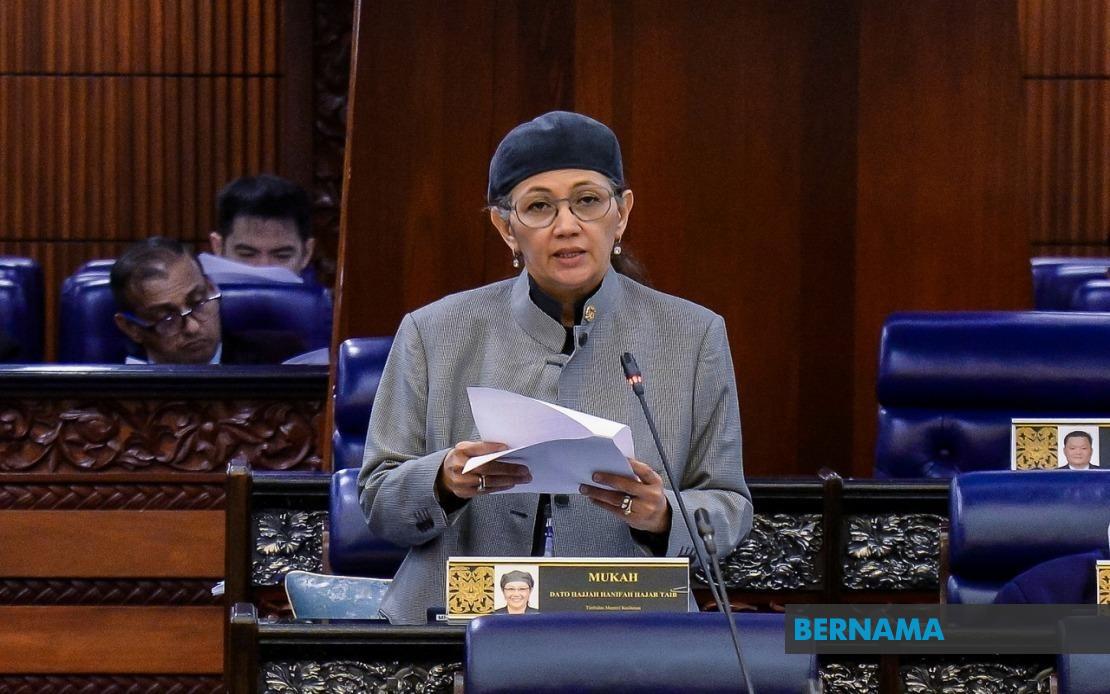
The Ministry of Health is making a significant push to address Sabah's persistent doctor shortage by recruiting 560 permanent medical officers, with deployment set to commence in October. Deputy Health Minister Datuk Hanifah Hajar Taib made the announcement during Parliament's special session, signalling the government's recognition that the eastern Malaysian state faces an acute healthcare workforce crisis that threatens service delivery across both urban and rural facilities.
The recruitment drive forms part of a larger nationwide initiative to fill 4,500 permanent medical officer vacancies through two consecutive phases. This two-phase approach reflects the Ministry's acknowledgment that staffing challenges extend beyond Sabah, though the state's situation remains particularly dire. The scale of the effort underscores how competition for medical talent has become a pressing concern for healthcare administrators across the nation, with states vying to attract qualified practitioners to underserved regions.
Yet the proposed solution reveals an uncomfortable reality about Malaysia's medical workforce dynamics. Historical acceptance rates suggest that while 560 positions will be offered to Sabah-bound doctors, only approximately 280 are expected to materialize. This 50 per cent reporting rate reflects deeper structural problems: many medical graduates prefer to work in urbanized areas with better facilities, higher earning potential, and improved quality of life. Even if the optimistic projection holds, Sabah would still face a shortfall of around 256 medical officers, leaving the state's healthcare system under considerable strain.
Current staffing figures paint a sobering picture of Sabah's healthcare infrastructure. The state maintains 2,803 established medical officer positions on paper, yet only 1,863 posts—or 66.5 per cent—are actually occupied by full-time medical officers. An additional 366 officers, representing 13.1 per cent of established positions, are on study leave, temporarily unavailable for direct patient care. The remaining 570 positions, comprising 20.3 per cent of the total, remain unfilled, creating dangerous gaps in service provision. These vacancies force existing staff to work beyond sustainable levels, increasing burnout and potentially compromising care quality.
To manage this crisis, the Ministry has deployed 680 contract doctors throughout Sabah, functioning as a stopgap measure. While this temporary workforce has prevented complete service collapse, contract arrangements typically offer less stability and continuity compared to permanent positions. Contract doctors often rotate or relocate when their terms expire, disrupting continuity of patient care and preventing the development of long-term healthcare networks essential for managing chronic diseases and building community trust in medical facilities.
Sabah's predicament reflects a broader regional imbalance documented in the 2024 Health Indicators report, which identified eight states—including Sabah—as lagging behind the national average for doctor-to-population ratios. This disparity underscores how Malaysia's healthcare resources remain concentrated in developed urban centres, while peripheral and less developed states struggle with inadequate medical manpower. The geographic mismatch between doctor supply and population needs creates inequitable access to care and perpetuates health disparities across the country.
However, there are modest grounds for optimism. Sabah's doctor-to-population ratio improved by 25.1 per cent between 2020 and 2023, suggesting that targeted interventions can yield measurable results. This improvement, though still insufficient to meet demand, indicates that the state's healthcare system has begun responding to chronic shortages. The Ministry's willingness to invest in permanent positions rather than relying indefinitely on contract staff signals a policy shift toward institutional stability in healthcare delivery.
The Ministry has implemented structural reforms designed to incentivize doctors to accept postings in underserved regions. A key mechanism involves requiring contract medical officers who transition to permanent positions to accept at least one placement in either Sabah, Sarawak, or Labuan. This conditional approach, integrated into an upgraded e-Placement system rolled out in 2025, attempts to redistribute medical talent toward regions with acute workforce deficits. By making rural or peripheral postings a prerequisite for permanent status, the Ministry aims to solve supply problems while building career pathways for ambitious medical professionals.
Placement quota allocations further reflect the government's regional prioritization strategy. Sarawak is designated to receive 650 permanent medical officers, while Sabah will receive 310 through the e-Placement system. Together, these two East Malaysian states will account for 42.7 per cent of the nationwide allocation of 2,248 permanent postings, demonstrating that policy makers recognize Borneo's healthcare deficit as a national priority. This proportional allocation acknowledges that eastern Malaysia cannot simply absorb the residual surplus after peninsular states' requirements are met.
For Malaysian healthcare observers, the initiative represents a recognition that doctor shortages are neither temporary phenomena nor problems amenable to quick fixes. The two-phase recruitment programme, accelerated timelines, and deliberate regional allocation mechanisms signal institutional learning from past failed interventions. Yet the gap between positions offered and positions accepted remains the critical vulnerability. Without addressing the underlying factors that discourage permanent postings to Sabah—inadequate specialist facilities, professional isolation, family-related mobility concerns, and limited career advancement opportunities—the Ministry risks repeating the cycle of recruitment followed by widespread rejection.
The implications extend beyond Sabah's borders. If East Malaysian states continue experiencing recruitment difficulties despite enhanced permanent positions and incentive structures, the entire Southeast Asian region may face cascading pressures on healthcare systems already strained by rising disease burdens and aging populations. Medical professionals in Malaysia increasingly pursue opportunities in Singapore, Australia, or the Middle East, where compensation packages and work environments are more attractive. Retaining talent within the public healthcare system requires more than structural reforms; it demands genuine investment in facility upgrades, competitive remuneration, and career development that rivals private sector alternatives.

