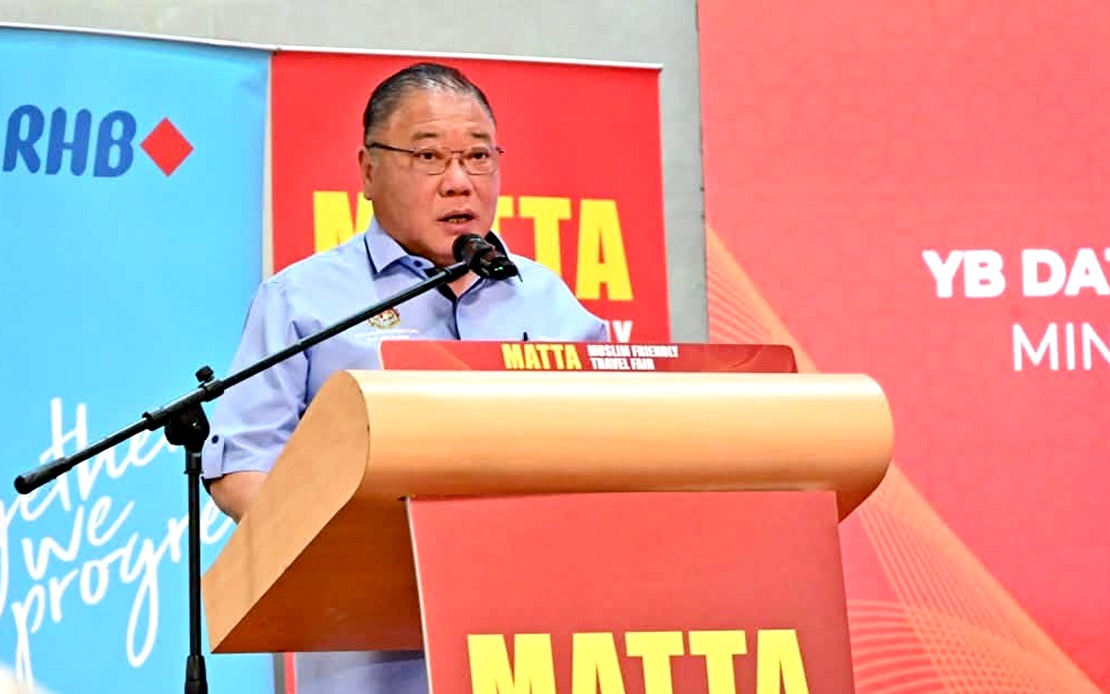
The Malaysian government is preparing regulatory measures to establish floor pricing for umrah packages, a move designed to shield pilgrims from substandard services and protect the integrity of religious travel experiences. Tourism, Arts and Culture Minister Datuk Seri Tiong King Sing announced the initiative during the opening ceremony of the Malaysian Association of Tour and Travel Agents Muslim Friendly Travel Fair 2026, signalling a coordinated approach involving multiple government agencies, Tabung Haji, and the Minister in the Prime Minister's Department overseeing Religious Affairs.
The core challenge facing Malaysia's umrah industry stems from an emerging race to the bottom in package pricing. Operators competing for market share have increasingly offered tickets at unsustainably low rates that inevitably compromise service delivery and threaten pilgrims' ability to complete their religious journeys as intended. Tiong emphasised that the government refuses to tolerate scenarios where Malaysian Muslims arrive in the Holy Land only to discover they cannot afford return transport or lack sufficient resources to fulfil their spiritual obligations. This represents not merely a consumer protection issue but a matter touching on religious dignity and national reputation.
Under the proposed framework, tour operators will be required to maintain minimum price thresholds for umrah packages while simultaneously publishing comprehensive service inventories for each offering. This dual mechanism addresses both the pricing problem and the transparency deficit that currently plagues the sector. Rather than eliminating market competition, the approach permits operators to differentiate products through tiered categorisations—Premium, Gold, Silver, and Platinum packages—provided each tier respects the established price floor. Such differentiation allows consumers choice while preventing the race-to-the-bottom dynamics that have destabilised service quality.
The urgency surrounding this regulatory intervention reflects broader concerns about Malaysia's competitive position in the rapidly expanding Muslim-friendly tourism market. Tiong highlighted that competitors are aggressively enhancing their offerings to capture Muslim travellers. Macau, for instance, has substantially expanded halal dining establishments, upgraded Muslim-friendly accommodation options, invested in prayer facilities at strategic airport locations, and developed dedicated informational resources for Islamic visitors. These developments illustrate how non-Muslim-majority destinations are strategically positioning themselves to capture religious tourism revenue streams that Malaysia historically dominated.
Malaysia's challenge involves strengthening its natural advantages while preventing self-inflicted competitive injuries through predatory pricing practices. The country possesses inherent structural advantages: a Muslim-majority population, established Islamic infrastructure, cultural familiarity with Islamic values, and sophisticated tourism networks built over decades. However, these advantages become worthless if the industry's reputation deteriorates due to widespread reports of substandard umrah experiences. Pilgrims who experience poor service become negative ambassadors, discouraging future religious tourists and damaging Malaysia's standing as a trustworthy travel destination.
The regulatory framework must navigate delicate implementation questions. Enforcement mechanisms remain underspecified in current announcements, raising practical concerns about compliance monitoring across the diverse operator landscape. How aggressively will authorities police pricing violations? What penalties will apply to non-compliant operators? Will smaller travel agencies face disproportionate compliance burdens compared to larger corporations? These operational details will ultimately determine whether the initiative achieves its protective objectives or becomes a bureaucratic exercise with limited real-world impact.
Tiong's emphasis on sustaining Malaysia's leadership in the Muslim-friendly tourism sector recognises that this market segment represents significant economic opportunity. Religious tourism generates substantial foreign exchange, supports employment across hospitality, transport, and service sectors, and elevates Malaysia's international profile as a custodian of Islamic values. Declining market share to competitors would represent not only an economic loss but a geopolitical setback in soft power competition within the Islamic world. Several Southeast Asian countries, including Indonesia and Brunei, also compete for Muslim traveller spending, making Malaysia's relative position contestable rather than guaranteed.
The minimum pricing mechanism should be understood within the context of broader quality-of-service concerns affecting Malaysian tourism generally. Recent years have witnessed multiple scandals involving unscrupulous operators exploiting vulnerable pilgrims, inadequate accommodation standards, transport breakdowns, and financial mismanagement. These incidents have generated constituency pressure for government intervention, particularly from families who have experienced losses or hardships resulting from operator failures. The religious dimension amplifies political sensitivity around these issues, as pilgrims undertaking obligatory religious duties deserve protection beyond standard consumer protections.
Implementing standardised service requirements represents the framework's most constructive component. Rather than focusing solely on price floors, mandatory service specifications ensure that cost-cutting does not systematically undermine pilgrims' experiences. Specifications might encompass accommodation quality standards, ground transportation reliability, meal provision adequacy, religious guidebook provision, emergency medical support access, and post-return customer grievance mechanisms. Clear specifications enable pilgrims to make informed decisions and establish objective benchmarks against which regulatory authorities can evaluate operator compliance.
The government's coordination with Tabung Haji, Malaysia's national pilgrimage fund and major umrah stakeholder, suggests this initiative enjoys institutional backing within the Islamic establishment. Tabung Haji maintains significant leverage over the sector through its financial instruments and customer relationships, making its support essential for implementation success. Integration with religious affairs responsibilities ensures that regulatory design reflects not merely commercial considerations but also religious and ethical dimensions of pilgrimage provision.
Longer-term implications extend beyond immediate umrah market dynamics. Successful implementation could establish a template for regulating other religious tourism categories and Muslim-focused travel services. Malaysia's experience with umrah pricing mechanisms might inform approaches to hajj package regulation, Islamic heritage tourism development, and halal culinary tourism. Regional leadership in religious tourism governance could enhance Malaysia's standing as an Islamic civilisational model, generating soft power benefits alongside direct economic returns.
Stakeholder acceptance remains critical for implementation viability. Travel operators, particularly smaller enterprises operating on thin margins, may resist pricing floors as unjust cost burdens. However, industry consolidation around quality-based competition rather than destructive price wars ultimately benefits responsible operators by eliminating unfair competitors. Consumer awareness campaigns explaining the regulatory rationale could build public support for premium pricing when justified by service quality.
The announced regulatory initiative represents overdue government intervention addressing market failures that have undermined Malaysia's umrah industry reputation. By establishing minimum pricing standards while protecting service quality through mandatory specifications, Malaysian authorities can restore pilgrim confidence, preserve market share against rising competition, and position the country as a trustworthy guardian of religious travel experiences. Success will depend on thoughtful implementation, adequate enforcement resources, and sustained commitment to protecting not merely consumers but the sanctity of religious obligation.

