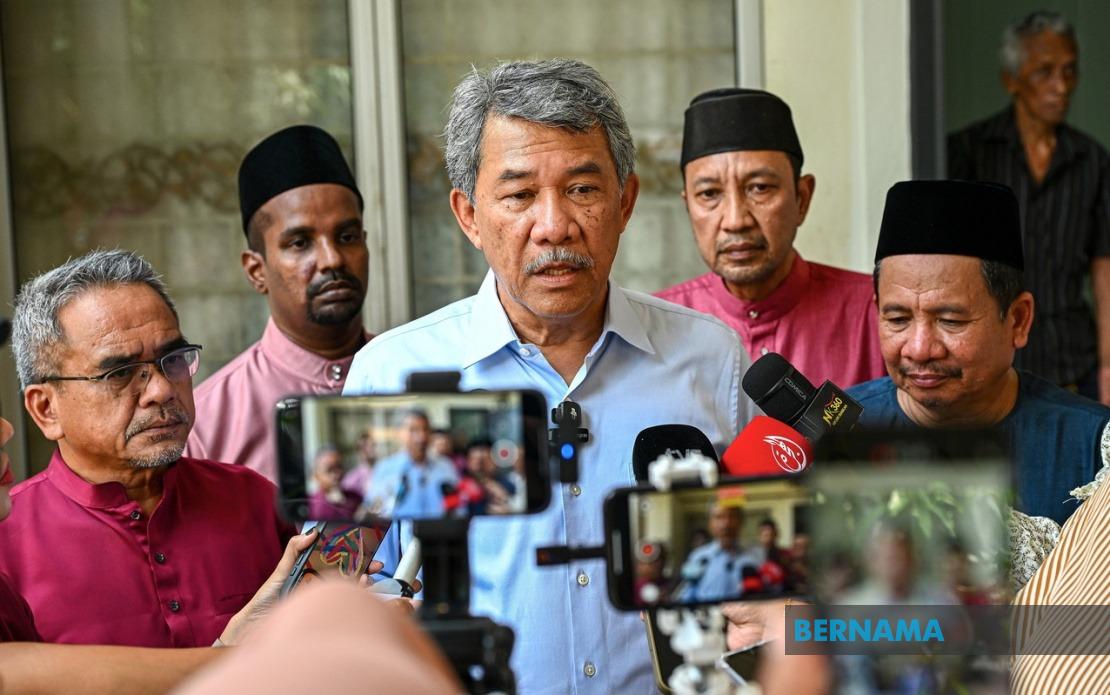
Malaysia has committed to safeguarding the welfare of Myanmar refugees currently on its soil, with Foreign Minister Datuk Seri Mohamad Hasan stating that repatriation will only proceed after thorough security assessments and status verification are completed. Speaking in Seremban on Wednesday, Mohamad Hasan underscored the government's determination to protect these individuals before arranging their return home, reflecting growing international scrutiny over refugee handling in Southeast Asia.
The verification process will involve close coordination between the United Nations High Commissioner for Refugees (UNHCR) and Malaysia's Home Ministry (KDN), which together will determine both the refugee status of individuals and the actual security environment awaiting them upon return to Myanmar. This dual-assessment approach signals Malaysia's intention to move beyond simple numerical targets and instead ensure each repatriate faces no unreasonable danger. The Foreign Minister has instructed the Foreign Affairs Ministry's Secretary-General to establish formal channels with the Myanmar government through its embassy in Malaysia to facilitate the process methodically.
The staged repatriation model represents a deliberate departure from proposals suggesting wholesale movement of thousands at once. Myanmar's government had reportedly indicated readiness to receive 5,000 nationals by ship, but Mohamad Hasan made clear that Malaysia intends to process returnees in manageable cohorts based on individual circumstances rather than arbitrary timelines. He noted that the approximately 1,000 individuals already identified and cleared for repatriation could begin the journey immediately, eliminating unnecessary delays for those whose paperwork and security clearances are complete.
This measured approach addresses longstanding concerns about refugee safety in Myanmar, where the military coup in February 2021 triggered widespread instability and human rights abuses. Many Myanmar nationals fled to neighbouring countries including Malaysia, Thailand, and Bangladesh seeking sanctuary from violence and political persecution. Repatriating individuals prematurely or without proper assessment of conditions could expose them to arrest, torture, or worse, a risk Malaysia appears committed to minimising through its verification protocol.
The Foreign Minister's emphasis on collective responsibility also reflects deepening engagement within ASEAN structures on this issue. Mohamad Hasan stressed that ASEAN member states view the Myanmar refugee question as a serious matter requiring coordinated regional responses rather than unilateral national decisions. This collective framing positions Malaysia within the broader Southeast Asian consensus on Myanmar, even as individual nations manage their own refugee populations differently based on capacity and circumstance.
The Five-Point Consensus (5PC), adopted by ASEAN leaders in 2021, remains central to the regional bloc's strategy for addressing Myanmar's crisis. This framework prioritises dialogue, humanitarian aid, and a gradual return to democratic processes, though its implementation has faced criticism for lacking enforcement mechanisms and concrete results. By reiterating the 5PC's importance, Mohamad Hasan signals that Malaysia will not pursue refugee repatriation in isolation from broader ASEAN efforts to stabilise Myanmar and create conditions conducive to safe returns.
For Malaysia, hosting Myanmar refugees presents complex administrative and social challenges. The country already manages significant refugee populations from various regions, and resources for processing, housing, and providing services remain constrained. Yet rushing repatriation without proper vetting risks undermining regional credibility and exposing vulnerable people to harm, costs that Malaysia apparently judges unacceptable regardless of domestic pressures.
The practical mechanics of repatriation also require careful choreography. Maritime transport of large groups demands coordination with Myanmar authorities on reception and dispersal arrangements within Myanmar itself. The stated preference for staged movement allows Malaysia and its international partners to monitor outcomes from earlier cohorts before proceeding with subsequent groups, creating feedback loops that enable adjustments should problems emerge.
International observers have long scrutinised Malaysia's treatment of refugees and migrants, with humanitarian organisations noting gaps between policy and implementation. By publicly committing to UNHCR involvement and formal security assessments, Mohamad Hasan's statements raise the transparency threshold and create benchmarks against which Malaysia's actions will be measured. This transparency can benefit Malaysia diplomatically while also serving as a mechanism for protecting refugees themselves through increased visibility.
The timeline for repatriation remains uncertain, contingent on completion of verification processes and ongoing assessments of Myanmar's security landscape. Even as Myanmar's official government claims readiness to receive returnees, ground conditions in many areas remain volatile. The staggered approach advocated by Malaysia essentially treats repatriation as a rolling process rather than a discrete event, acknowledging the fluid nature of Myanmar's political and security situation.
For Malaysian policymakers, this issue sits at the intersection of humanitarian responsibility, regional diplomacy, and domestic concerns about migration management. Balancing these competing pressures through thoughtful, staged repatriation supported by credible verification represents Malaysia's attempt to navigate difficult terrain while maintaining its standing within ASEAN and the international community. The success of this approach will become clearer as the first cohorts of verified refugees actually return and conditions within Myanmar continue to evolve.

