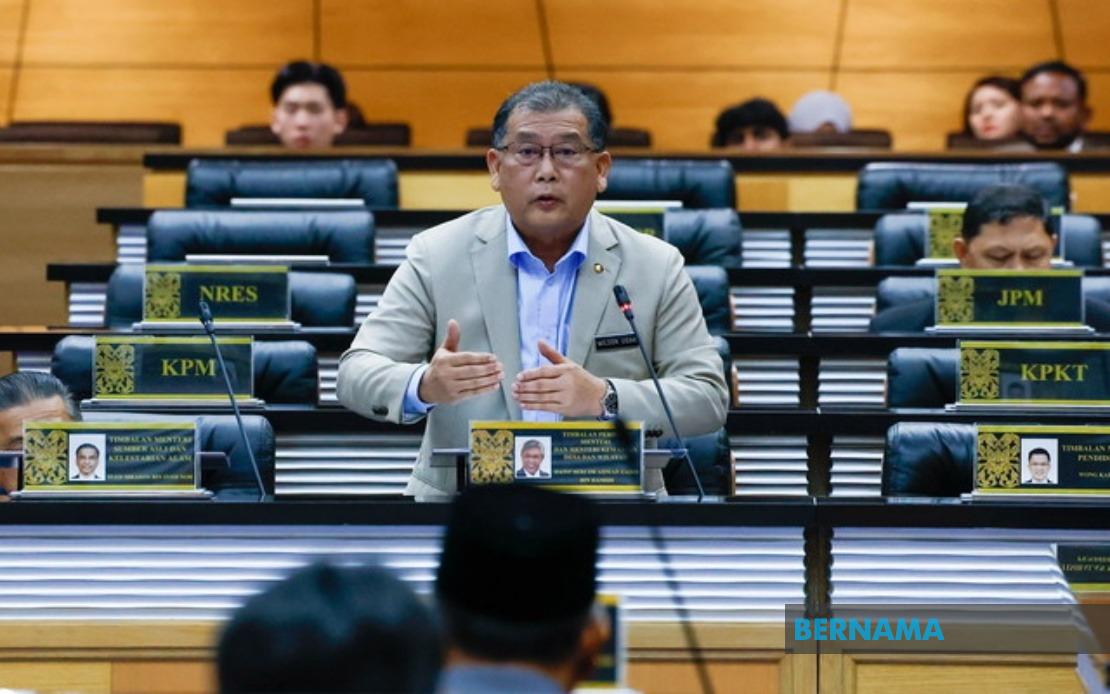
Malaysia is moving to bolster its disaster preparedness infrastructure with the planned rollout of 15 permanent disaster relief centres across nine states, with operations beginning this year and continuing in staged phases. The initiative represents a significant shift in how the country manages large-scale emergencies, particularly flooding events that have historically disrupted educational activities and stretched existing relief mechanisms during crisis periods. Deputy Digital Minister Datuk Wilson Ugak Kumbong outlined the comprehensive scope of the project during parliamentary proceedings, noting that two facilities—one each in Johor and Pahang—have already reached operational readiness.
The broader infrastructure plan encompasses centres at various stages of development. Nine additional facilities are currently under active construction, while four more remain in preliminary procurement and design phases. This phased approach allows the government to distribute implementation costs across multiple fiscal years while learning operational lessons from early-stage deployments. The staggered timeline also ensures that each centre can be properly equipped and staffed before moving to full operational capacity. The distribution of centres across multiple states reflects the geographic reality of Malaysia's flood vulnerability, with certain regions experiencing recurring inundation during monsoon seasons that can last for weeks and displace tens of thousands of residents.
The concept of dual-functionality underpins the entire initiative, distinguishing these facilities from traditional emergency shelters. Unlike temporary relief centres hastily established in schools during crises, the permanent centres serve as community amenities during normal periods, ensuring that substantial public investments generate value throughout the year rather than remaining dormant. This design philosophy addresses longstanding concerns about inefficient asset utilization in government infrastructure projects while simultaneously solving a critical operational problem that has plagued the education system for decades.
The decision to develop dedicated facilities stems directly from the disruption caused by converting schools into temporary shelters during flooding events. When disaster strikes, converting educational premises into relief centres displaces students and teachers, disrupting the academic calendar and creating cascading effects on the school year. By providing specialized infrastructure designed specifically for emergency relief operations, the government can manage displaced populations without compromising the continuity of educational services. This consideration holds particular significance for Malaysia, where monsoon flooding often occurs during critical examination periods or semester breaks, yet can still extend beyond expected timeframes.
Each permanent relief centre has been meticulously designed with comprehensive facilities addressing multiple operational and humanitarian requirements. The core infrastructure includes a large open hall capable of sheltering up to 500 displaced persons, essential for accommodating victims during major flooding events. Complementing this main facility are dedicated dining and food preparation areas designed for mass catering operations that characterize emergency response. Medical treatment rooms stand ready for addressing flood-related illnesses and injuries, while sanitation facilities include toilets specifically designed for persons with disabilities—a consideration that underscores attention to vulnerable populations. Additional amenities include prayer rooms and designated spaces specifically configured to minimize psychological stress among emotionally vulnerable groups, recognizing that disaster displacement extends beyond physical shelter needs.
The selection process for facility locations prioritizes areas with documented histories of severe flooding. By concentrating resources in proven high-risk zones, the government maximizes the practical utility of these investments while addressing the communities most in need of improved emergency infrastructure. However, this locational strategy requires careful coordination across multiple governance levels. Any proposal for constructing a centre must traverse the State Disaster Management Committee before advancing to the National Disaster Management Agency for technical evaluation and final authorization. This multi-layered approval process ensures that facilities align with both local flood patterns and national disaster management priorities, though it also introduces potential delays in project implementation.
The National Disaster Management Agency is currently seeking development allocations to fund the subsequent phase of construction nationwide, with particular emphasis on extending coverage to Perak and other states not yet included in the initial rollout. This expansion strategy indicates that the programme's ultimate scope may exceed the current 15-centre target, with infrastructure eventually reaching all states vulnerable to significant flooding. The pursuit of additional development funds demonstrates government commitment to comprehensive coverage, though the timeline for achieving full national implementation remains undetermined and contingent upon budget allocations in successive years.
While the permanent facilities represent a long-term structural solution, the government recognizes that full nationwide implementation will require several years. To address the immediate gap, the National Disaster Management Agency approved RM4.44 million in April specifically allocated to upgrading facilities at 25 selected temporary relief centres operating within Ministry of Education premises. These improvements focus on enhancing existing infrastructure to better serve displaced populations during the interim period before permanent centres become fully operational. Additionally, the government provides maintenance and minor repair funding of up to RM50,000 for temporary relief centres activated following the Northeast Monsoon season, ensuring these facilities remain functional and hygienic when circumstances demand their emergency activation.
The Deputy Digital Minister emphasized that disaster management fundamentally represents a collective responsibility that extends well beyond the technical machinery of government agencies. Effective emergency response demands coordinated participation across multiple stakeholders—federal and state governments working in concert, private sector organizations contributing resources and expertise, and communities understanding their own roles in preparedness and response. This "whole-of-government and whole-of-society" framework acknowledges that disasters generate consequences that ripple across all segments of society, necessitating engagement from diverse institutional actors. The permanent relief centres function as one component within this broader ecosystem, providing essential infrastructure while relying upon broader institutional cooperation for effective deployment during actual emergencies.
The implementation of permanent disaster relief centres carries significant implications for Malaysian governance and disaster management philosophy. The shift from improvised, school-based temporary shelters to purpose-built permanent facilities represents recognition that Malaysia's vulnerability to flooding warrants dedicated specialized infrastructure. This approach aligns the country with international best practices in disaster management, where leading regional economies have similarly moved toward permanent facilities rather than perpetually repurposing civilian infrastructure during crises. For states like Johor and Pahang that already maintain operational centres, early implementation provides valuable practical experience that can inform facility management protocols and guide refinements in the design of subsequent centres.
From a Southeast Asian perspective, Malaysia's expanding permanent relief infrastructure contributes to regional disaster resilience by establishing benchmarks for neighbouring countries facing similar flooding challenges. The dual-use model—emergency centre and community facility—offers a replicable framework for nations seeking to maximize infrastructure value while improving emergency preparedness. As climate patterns intensify precipitation and flooding events become increasingly severe across Southeast Asia, the demand for such facilities will likely grow, potentially spurring broader regional adoption of Malaysia's approach. The centres therefore represent not merely national infrastructure investment but also a potential regional innovation in disaster management methodology.

