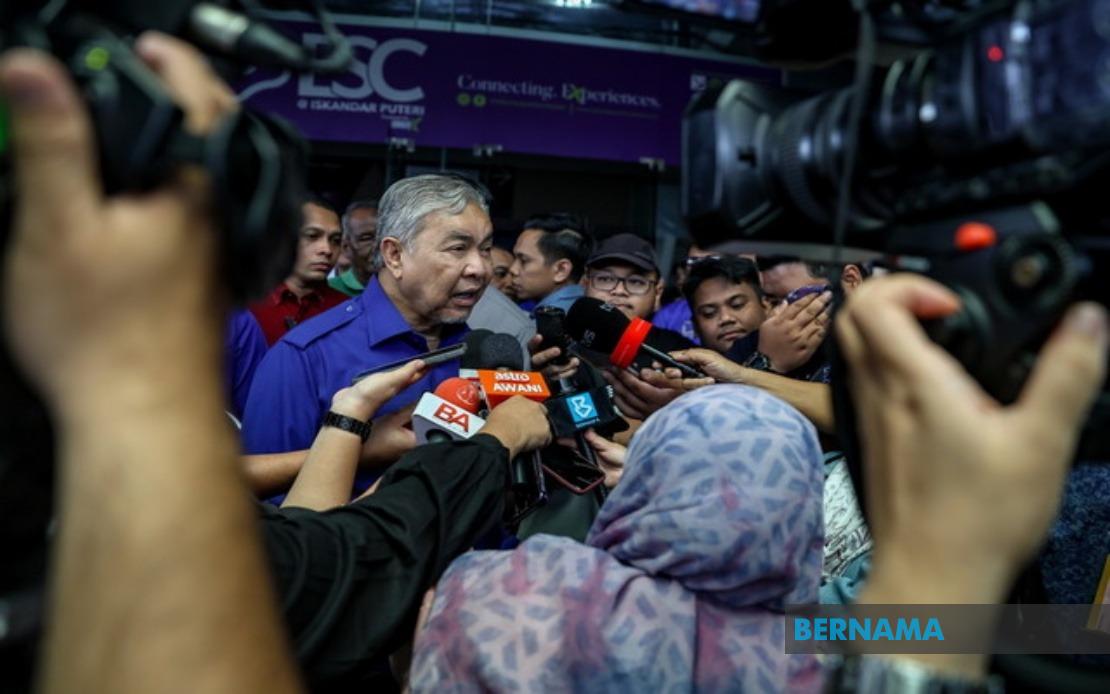
Malaysia is moving forward with plans to overhaul its vocational and technical education framework through the creation of a dedicated TVET Commission, with Deputy Prime Minister Datuk Seri Dr Ahmad Zahid Hamidi confirming that the institutional restructuring and associated parliamentary legislation should be completed before the year closes. Speaking at an event in Iskandar Puteri, Ahmad Zahid outlined the government's timeline for replacing the existing National TVET Council with a more robust regulatory body designed to elevate Malaysia's standing in skills development and workforce preparation.
The proposed commission represents a significant evolution in how the country manages its technical and vocational education landscape. Rather than serving merely as an advisory body focused on policy recommendations, the new institution will assume direct responsibility for implementing and enforcing the standards and frameworks it establishes. This shift toward an integrated model mirrors approaches adopted by developed economies that have achieved greater coherence and effectiveness in their TVET systems. By consolidating policy formulation with implementation oversight within a single entity, the government aims to eliminate the disconnect that sometimes occurs when policy design and policy delivery remain separated across different agencies.
Ahmad Zahid, who holds the concurrent position of Rural and Regional Development Minister and chairs the National TVET Council, explained that establishing the commission involves careful legislative groundwork. Although Cabinet-level policy approval has already been secured, the government continues processing the formal approvals necessary to table the commission's enabling legislation in both the Dewan Rakyat and Dewan Negara. This deliberate pace reflects the legal complexities inherent in restructuring a national institution that affects educational provision, workforce development, and coordination with multiple stakeholder bodies across Malaysia.
Preceding the legislative phase, extensive engagement sessions are underway with various stakeholders representing employers, educational institutions, labour groups, and regulatory bodies. These consultations serve multiple purposes: gathering input on operational frameworks, addressing concerns about transition arrangements for existing TVET programmes, and building consensus around the commission's powers and responsibilities. Once these stakeholder discussions conclude, the government plans to submit a comprehensive Cabinet paper detailing the commission's structure, mandate, and resource allocation before proceeding with parliamentary tabling.
The timing of this institutional reform reflects broader regional trends. Southeast Asian governments increasingly recognize that traditional vocational training systems require modernization to remain competitive as digital transformation, automation, and evolving industry demands reshape labour markets. Countries throughout the region have initiated similar reforms, establishing dedicated agencies tasked with bridging gaps between educational output and employer needs. Malaysia's move positions it alongside regional peers undertaking comparable institutional strengthening, though the local context involves managing multiple state-level TVET providers and coordinating with both federal and state educational jurisdictions.
Ahmad Zahid made his announcement during the Johor Darul Ta'zim TVET MARA Roadshow, highlighting that younger Malaysians represent an increasingly significant portion of the electorate with direct stakes in skills development policies. He noted that voters aged 40 and below, encompassing the newly enfranchised 18-year-old cohort since the implementation of Undi18, constitute approximately 52 percent of Johor's registered voters. This demographic reality underscores why vocational education quality and employment prospects command heightened political attention, as young Malaysians increasingly demand educational pathways offering tangible career prospects and competitive wages.
The emphasis on youth engagement reflects a recognition that Malaysia's future economic competitiveness depends substantially on equipping the younger generation with market-relevant skills. While university education remains an aspiration for many Malaysian families, technical and vocational pathways offer alternative routes to skilled employment, entrepreneurship, and middle-income livelihoods. The new TVET Commission will need to address persistent perceptions that vocational training represents a second-tier option rather than a respectable and lucrative career pathway comparable to conventional university degrees.
The TVET sector in Malaysia encompasses a diverse ecosystem involving MARA institutes, polytechnics, community colleges, private training providers, and employer-based apprenticeship programmes. Coordinating these disparate actors toward common quality standards and ensuring alignment with actual labour market demands has historically proven challenging. The proposed commission's implementation-focused mandate suggests the government recognizes that policy documents alone cannot drive systemic improvement; active enforcement mechanisms and ongoing monitoring of training quality and employment outcomes become necessary. This structural shift has implications extending beyond Malaysia's borders, as ASEAN nations increasingly explore regulatory models that ensure skills alignment with regional and global economic integration.
Meanwhile, Ahmad Zahid's remarks concerning Johor's political landscape and the role of younger voters in supporting the state's governance direction indicate how TVET policy intersects with electoral strategy. Young voters mobilized by Undi18 and cognisant of their employment futures represent a constituency that responds to concrete investments in skills development and job creation. The mention of Menteri Besar Datuk Onn Hafiz Ghazi's status as a relatively young leader suggests that Barisan Nasional views alignment between youthful governance and youth-focused policies as strategically advantageous. This political dimension underscores that technical education reform, while ostensibly a policy matter, ultimately reflects broader calculations about demographic change, voter expectations, and electoral competitiveness.
The establishment of the TVET Commission arrives at a critical juncture for Malaysia's labour market. Manufacturing sectors increasingly demand workers with specialized technical competencies. The digital economy and emerging industries—from renewable energy to advanced manufacturing and creative industries—require workforces possessing both foundational technical knowledge and adaptive learning capacity. A strengthened TVET ecosystem with genuine implementation authority and enforcement capacity could substantially improve Malaysia's ability to develop workers who meet these evolving demands, potentially reducing reliance on foreign workers in skilled categories and enhancing local talent competitiveness.
The government's target completion timeline of year-end 2024 suggests this initiative constitutes a priority within the current administration's agenda. Successfully establishing the commission and securing parliamentary passage before the year closes would represent a significant achievement in institutional reform, particularly given the consultative process currently underway. Success in this reform could establish momentum for further technical and vocational education improvements, potentially including curriculum modernization, enhanced employer engagement in training design, and stronger linkages between TVET completion and employment outcomes that ultimately benefit Malaysia's younger generation and broader economic development trajectory.

