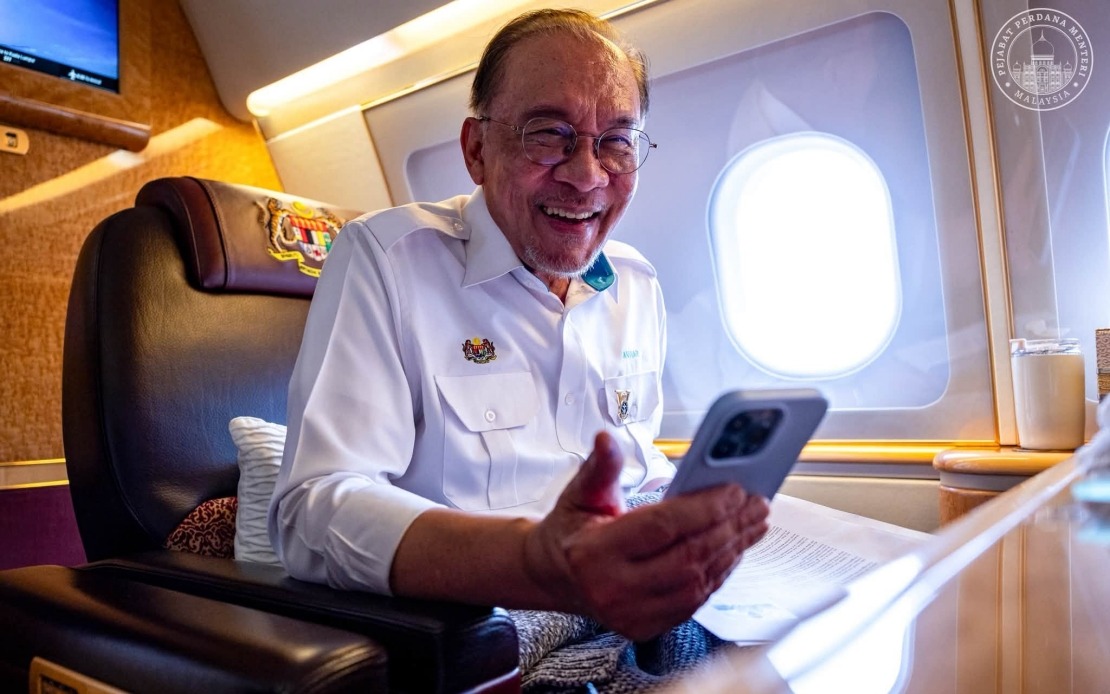
Malaysia will reclaim its place on the international motorsport stage when the Sepang International Circuit hosts the Formula 1 Gulf Air Bahrain Grand Prix from October 2 to 4, marking the nation's return to the world championship circuit after a nine-year absence. Prime Minister Datuk Seri Anwar Ibrahim made the announcement on Thursday, expressing confidence in Malaysia's capacity to deliver a world-class racing event that underscores the country's competitive infrastructure and organisational capabilities in hosting major international competitions.
The decision to stage the prestigious Grand Prix at Sepang represents a significant diplomatic and sporting achievement, reflecting the strengthening bilateral relationship between Malaysia and the Kingdom of Bahrain. Anwar emphasised that this collaboration extends far beyond the sporting dimension, serving as a tangible expression of the deep friendship and institutional trust that characterises ties between Kuala Lumpur and Manama. His comments underscore how major sporting events function as instruments of soft power and regional diplomacy in Southeast Asia, particularly when hosted in partnership with established racing nations.
During preparations for the event, Anwar held substantive discussions with Prince Salman Hamad Al Khalifa, the Crown Prince and Prime Minister of Bahrain, alongside Stefano Domenicali, president and chief executive officer of Formula 1. These high-level conversations facilitated the technical and logistical coordination necessary to bring a championship-level race to Malaysian soil, demonstrating the government's direct engagement in securing and supporting major international sporting occasions. The involvement of senior governmental figures from both nations signals the strategic importance attributed to this motorsport partnership.
The absence of Formula 1 from Malaysia's racing calendar for nearly a decade represents a significant gap in the country's sporting calendar and international profile. The return of the grand prix promises to reinvigorate Malaysia's automotive and tourism sectors, attracting international visitors, media coverage, and prestigious sponsorships. For Malaysian motorsport enthusiasts, the event offers a rare opportunity to witness world championship racing at the highest level, a experience increasingly rare outside traditional European racing circuits.
Sepang International Circuit stands as one of Asia's premier racing facilities, possessing the technical specifications, safety infrastructure, and operational systems required to host Formula 1 competition. The venue's previous hosting of Malaysian Grand Prix editions demonstrated its capability to manage the complex logistical demands of world championship racing. The facility's return to international prominence reflects Malaysia's continued investment in maintaining competitive sporting infrastructure despite the interim period without championship events.
For Malaysian audiences and the broader Southeast Asian region, this development carries considerable symbolic weight. It reaffirms Malaysia's position as a nation capable of hosting major international events, complementing previous successes in hosting large-scale sporting competitions. The announcement comes as the country seeks to elevate its international standing and demonstrate organisational competence across multiple sectors, from infrastructure management to diplomatic coordination.
The timing of the October event coincides with Malaysia's autumn season, traditionally offering favourable weather conditions for motorsport competition. This scheduling allows the organisers to capitalise on Sepang's geographic advantages while potentially drawing larger spectator crowds during a period of relative coolness compared to the peak heat of Malaysian summer months. The selection of October reflects careful consideration of multiple operational and climatic factors in planning a successful championship event.
The partnership between Malaysia and Bahrain exemplifies how sporting cooperation can strengthen regional relationships in the Middle Eastern and Southeast Asian contexts. Bahrain, with its established motorsport heritage and experience hosting major automotive events, brings institutional expertise and credibility to the arrangement. This collaborative model demonstrates how nations can leverage complementary capabilities and facilities to advance shared interests in international sporting governance and profile-raising.
From an economic perspective, hosting Formula 1 generates substantial revenue through ticketing, hospitality packages, vendor licensing, and associated tourism spending. Hotels, restaurants, retail establishments, and transportation services across the Klang Valley region will benefit from the influx of international visitors. The event creates temporary employment opportunities across multiple sectors and stimulates media attention that extends Malaysia's visibility among affluent international audiences interested in premium automotive and sporting experiences.
The announcement also carries implications for Malaysia's standing within the international motorsport community and the FIA's governance structure. By successfully hosting a championship event, Malaysia reinforces its credentials as a reliable partner capable of meeting demanding international standards. This capability opens pathways for future sporting partnerships and elevates the nation's influence within global sporting organisations and forums.
Looking ahead, the October grand prix represents an opportunity for Malaysia to demonstrate operational excellence and hospitality standards to a global audience. The successful execution of this event could position the country favourably for hosting additional major international competitions in coming years, from motorsport championships to other prestigious sporting fixtures seeking venues with proven capacity and stability.

