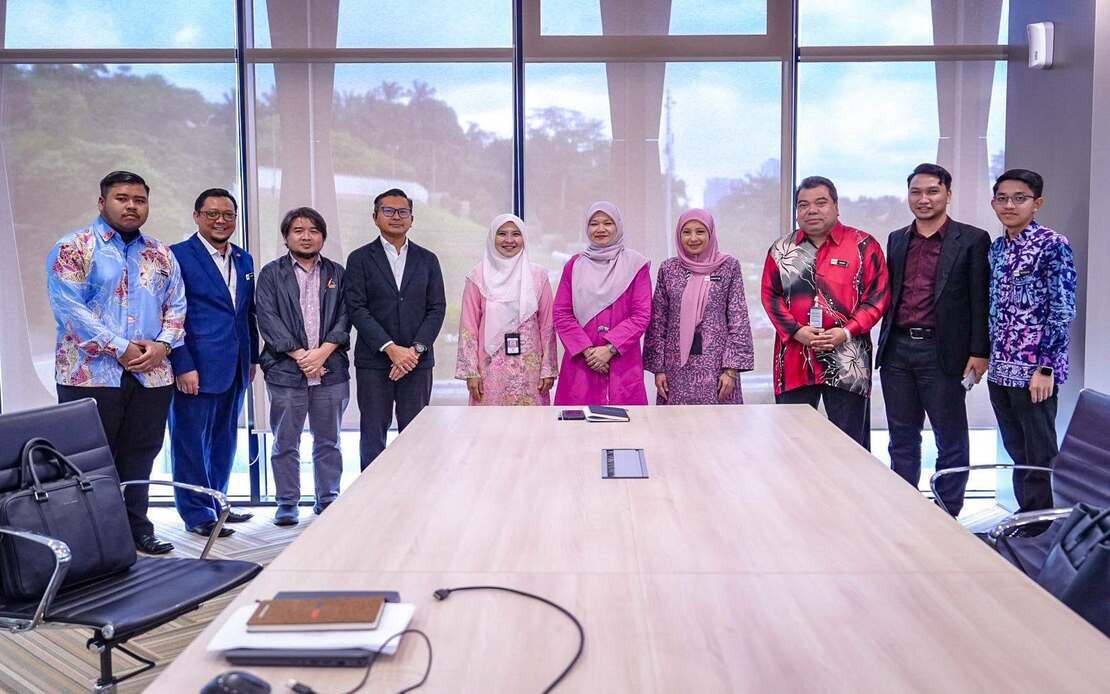
The Education Ministry has committed to rolling out comprehensive advocacy initiatives across Malaysia's education sector focused on three critical pieces of legislation designed to protect children from harm and exploitation. Minister Fadhlina Sidek announced the decision following productive discussions with a delegation from the Human Rights Commission of Malaysia (SUHAKAM), led by Children's Commissioner Dr Farah Nini Dusuki and Dr Mohd Al Adib Samuri, in what represents a significant step towards institutionalising child safety awareness in schools nationwide.
The advocacy push will encompass three interconnected legal frameworks: the Child Act 2001, which establishes fundamental protections and rights for minors; the Anti-Bullying Act 2026, anticipated legislation designed to combat the growing menace of harassment in educational settings; and the Sexual Offences Against Children Act 2017, which criminalises and provides mechanisms to prosecute abuse. Together, these legislative instruments form a comprehensive protective apparatus, yet their effectiveness depends heavily on public understanding and institutional commitment to enforcement.
The decision to prioritise educational sector outreach reflects recognition among policymakers that schools represent the most direct touchpoint for reaching both children and parents with critical information about rights, responsibilities, and reporting mechanisms. By situating advocacy within existing school structures, the Ministry aims to embed protective awareness into everyday institutional practice rather than treating it as peripheral concern. This institutional embedding is particularly important given Malaysia's youthful demographic profile, with children and adolescents representing a substantial portion of the population who spend significant daily hours in educational environments.
During the ministerial meeting, Fadhlina indicated that discussions extended beyond legislative frameworks to address pressing contemporary concerns including bullying incidents and sexual harassment within schools. These issues have gained prominence in recent years as social media amplifies visibility of previously unreported incidents, and as international research increasingly documents the psychological and academic impacts of such experiences on student wellbeing. The acknowledgment that current mechanisms require strengthening suggests the Ministry recognises existing gaps between legislation and practical implementation.
The strengthened collaboration between the Education Ministry and SUHAKAM signals institutional alignment on child protection priorities and potentially creates pathways for independent human rights monitoring of implementation effectiveness. SUHAKAM's involvement as a constitutional body adds credibility and oversight capacity to the advocacy initiative, ensuring that programmes maintain alignment with international human rights standards and best practices. This partnership model could serve as a template for other sectors grappling with child protection challenges, from healthcare to social services.
Raising awareness across all educational levels—from primary through secondary and into higher education—presents logistical and pedagogical challenges that the Ministry will need to address thoughtfully. Advocacy content must be age-appropriate while maintaining substantive legal and practical information; messages must resonate with diverse student populations across different socioeconomic and cultural contexts; and educators themselves require training to facilitate these conversations competently and sensitively. Without addressing these implementation dimensions, even well-intentioned programmes risk becoming tokenistic exercises that fail to translate awareness into actual behavioural and institutional change.
The emphasis on creating safe learning environments carries particular resonance within Southeast Asian contexts, where educational institutions traditionally occupy positions of significant social authority but have sometimes struggled to reconcile this with transparent accountability mechanisms. Malaysia's initiative to formalise and publicise child protection commitments through ministry-level action and human rights partnership may encourage similar commitments across the region, potentially elevating standards for institutional child safety practices more broadly.
The Anti-Bullying Act 2026, as a piece of pending legislation, indicates forward-thinking anticipation of evolving challenges. The timeline for its passage and implementation will be critical; awareness campaigns launched simultaneously with or shortly after legislative enactment can help establish cultural understanding and normative expectations before enforcement mechanisms activate. Conversely, delayed awareness relative to legislative implementation risks creating confusion about new responsibilities and rights among stakeholders who discover these obligations reactively through enforcement rather than proactive education.
Minister Fadhlina's explicit statement that child rights and welfare "will always remain a priority" with "no compromise" sets a clear policy direction and invites public accountability. This rhetorical commitment creates political obligation to follow through with resource allocation, sustained implementation, and measurable outcomes. Stakeholders—including parent groups, child welfare NGOs, and educational professionals—will naturally monitor whether subsequent budgeting, personnel deployment, and programme evaluation reflect this stated commitment or whether it remains aspirational in nature.
For Malaysian parents and educators, these advocacy initiatives translate into enhanced access to information about their rights and responsibilities regarding child protection. Knowledge about what constitutes illegal bullying or sexual offence, about reporting mechanisms, and about institutional support services can meaningfully change family and school responses to concerning behaviours. The initiatives also signal that authorities acknowledge the seriousness of these issues, potentially reducing stigma and social silence that historically prevented victims from seeking help.
The broader implications extend to institutional accountability and transparency. When education systems openly acknowledge child protection challenges and commit to systematic awareness-raising, they establish baselines against which their own performance can subsequently be measured. Parent and student expectations regarding institutional responses to bullying or abuse allegations become more explicitly defined, shifting dynamics from paternalistic institutional discretion towards documented accountability standards.

