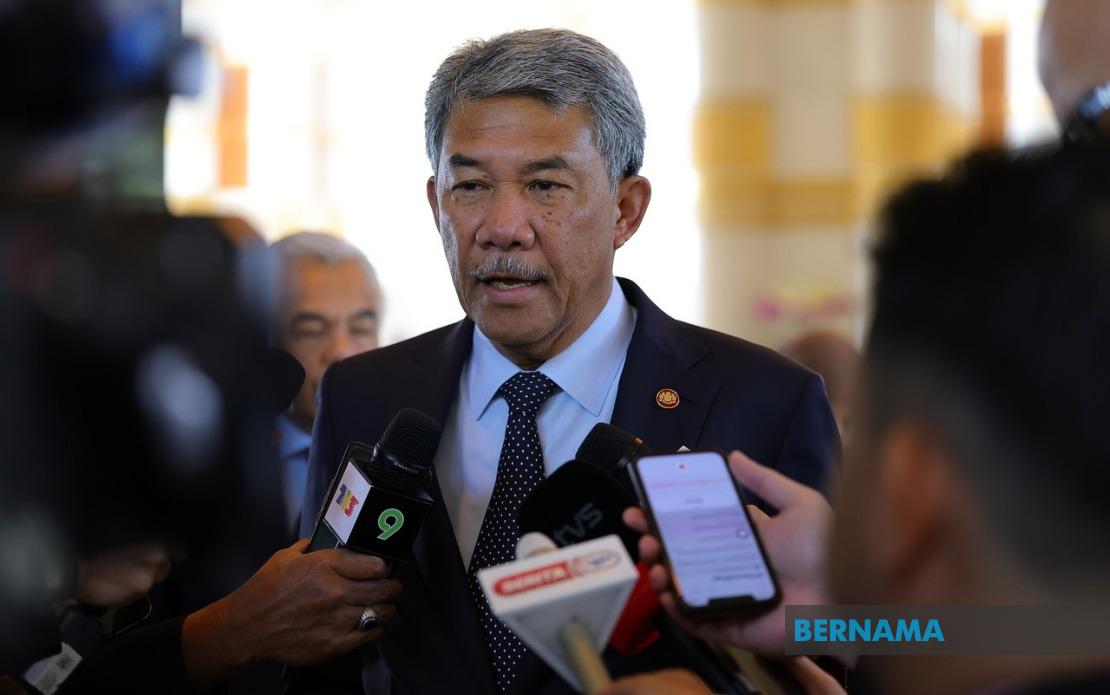
Malaysia is mobilising the Association of Southeast Asian Nations (ASEAN) as its primary diplomatic mechanism to address the transboundary haze currently blanketing parts of the region, Foreign Minister Datuk Seri Mohamad Hasan announced during an official visit to Brunei. The decision underscores Kuala Lumpur's preference for multilateral engagement over bilateral channels when dealing with environmental challenges that transcend national borders, positioning ASEAN's institutional framework as the optimal venue for resolving disputes among member states.
Speaking to reporters in Bandar Seri Begawan on August 21, Mohamad outlined Malaysia's procedural approach, explaining that the Ministry of Natural Resources and Environmental Sustainability (NRES) would submit formal correspondence to the ASEAN Secretariat within a specified timeframe. This move signals an intention to escalate the matter through official regional channels rather than limiting dialogue to neighbouring countries. The minister emphasised that ASEAN's established mechanisms provide the structure and legitimacy required to tackle transboundary environmental issues comprehensively, reflecting Kuala Lumpur's conviction that regional cooperation yields superior outcomes compared to ad-hoc diplomatic arrangements.
Paralleling Malaysia's ASEAN initiative, Natural Resources and Environmental Sustainability Minister Datuk Seri Arthur Joseph Kurup will separately communicate with his Indonesian counterpart, creating dual diplomatic tracks that combine both multilateral and bilateral engagement. This coordinated approach demonstrates Malaysia's determination to pursue the matter through multiple avenues simultaneously, ensuring that Indonesian leadership receives the message directly whilst also formally documenting the concern within ASEAN's institutional framework. The dual-track strategy reflects diplomatic sophistication, as it acknowledges Indonesia's pivotal role in resolving haze issues whilst simultaneously leveraging the broader regional consensus that ASEAN can mobilise.
The transboundary haze issue emerged as a significant point of discussion during Malaysia's high-level bilateral engagements in Brunei, with the matter anticipated to feature prominently during Prime Minister Datuk Seri Anwar Ibrahim's consultations with Sultan Hassanal Bolkiah. Malaysian High Commissioner Datuk Mohd Aini Atan previously indicated that air quality deterioration affecting multiple ASEAN nations would constitute a focal point of the Malaysia-Brunei Annual Leaders' Consultation (ALC-27) on August 22, reflecting the elevated status accorded to this cross-border environmental problem. The inclusion of transboundary haze among bilateral discussion topics underscores both countries' mutual concern regarding air pollution's escalating severity and its broader implications for regional health and economic stability.
Data compiled through Malaysia's Air Pollutant Index Management System (APIMS) revealed critical pollution concentrations across Sarawak at the time of the diplomatic announcement. Serian District recorded an API reading of 217, classified as "very unhealthy" and exceeding thresholds that trigger public health advisories and activity restrictions. Nine additional locations across the state exhibited unhealthy air quality classifications, with Sri Aman recording 186, Sarikei registering 173, Kuching at 171, Samarahan at 170, and Sibu and Samalaju both measuring 156. The geographic spread of hazardous readings across Sarawak—encompassing Bintulu (153), Mukah (125), and Kapit (108)—demonstrated that air pollution had become a pervasive regional phenomenon rather than isolated pockets of contamination.
The haze crisis carries profound implications for Malaysia's broader regional standing and environmental diplomacy agenda. As a nation that has historically experienced severe transboundary air pollution during fire seasons, Malaysia possesses accumulated experience in articulating the problem's severity and advocating for coordinated regional solutions. By channelling concerns through ASEAN rather than pursuing confrontational bilateral negotiations, Malaysia positions itself as a principled advocate for multilateral cooperation, strengthening its diplomatic credibility whilst avoiding acrimonious accusations that might strain relationships with neighbouring producers of haze-causing emissions.
ANSEA's institutional machinery for environmental cooperation, though sometimes criticised as insufficiently robust, provides Malaysia with the legitimacy and procedural framework necessary to formalise complaints and secure political commitments from member states. The decision to invoke this mechanism reflects confidence in the organisation's ability to facilitate dialogue and establish collaborative protocols, even whilst acknowledging that ASEAN's traditional consensus-based decision-making processes sometimes limit enforcement capacity. By working within established structures, Malaysia signals respect for regional norms whilst positioning itself to advocate for strengthened environmental standards across Southeast Asia.
The transboundary haze phenomenon represents a recurring challenge that tests ASEAN's commitment to environmental stewardship and collective problem-solving. Unlike conventional security concerns that directly threaten national sovereignty, environmental crises occupy an ambiguous diplomatic space where national interests intersect with shared regional welfare. Malaysia's decision to escalate the matter through ASEAN channels suggests confidence that member states recognise their mutual vulnerability to air pollution's harmful effects and will therefore prioritise collaborative solutions over parochial positions. The framework enables Malaysia to present its concerns as representative of broader regional interests rather than as narrow national grievances.
Historically, transboundary haze episodes have prompted ASEAN declarations and agreements, yet implementation and enforcement remain inconsistent across member states. The current crisis represents another opportunity to test the organisation's capacity to translate diplomatic commitments into tangible environmental improvements. Malaysia's diplomatic initiative will likely emphasise the urgency of strengthening monitoring mechanisms, establishing binding emissions standards, and creating accountability frameworks that hold major pollution contributors responsible for cross-border air quality degradation. Success will require not merely procedural engagement within ASEAN structures but substantive political will from member states to prioritise environmental protection over economic interests related to agricultural burning and industrial expansion.
The timing of Malaysia's diplomatic initiative, coinciding with high-level bilateral meetings in Brunei, reflects strategic sequencing designed to secure consensus and momentum for ASEAN-level action. By first addressing the matter during direct consultations with a respected regional partner, Malaysia establishes precedent and builds coalition support before formally presenting the issue to the broader ASEAN forum. This approach increases the likelihood that the transboundary haze will receive serious consideration and concerted attention rather than becoming marginalised among competing regional priorities. The coordinated diplomatic effort demonstrates Malaysia's commitment to protecting its citizens' health and environmental quality whilst maintaining cordial regional relationships and honouring multilateral cooperation principles that define Southeast Asian diplomacy.

