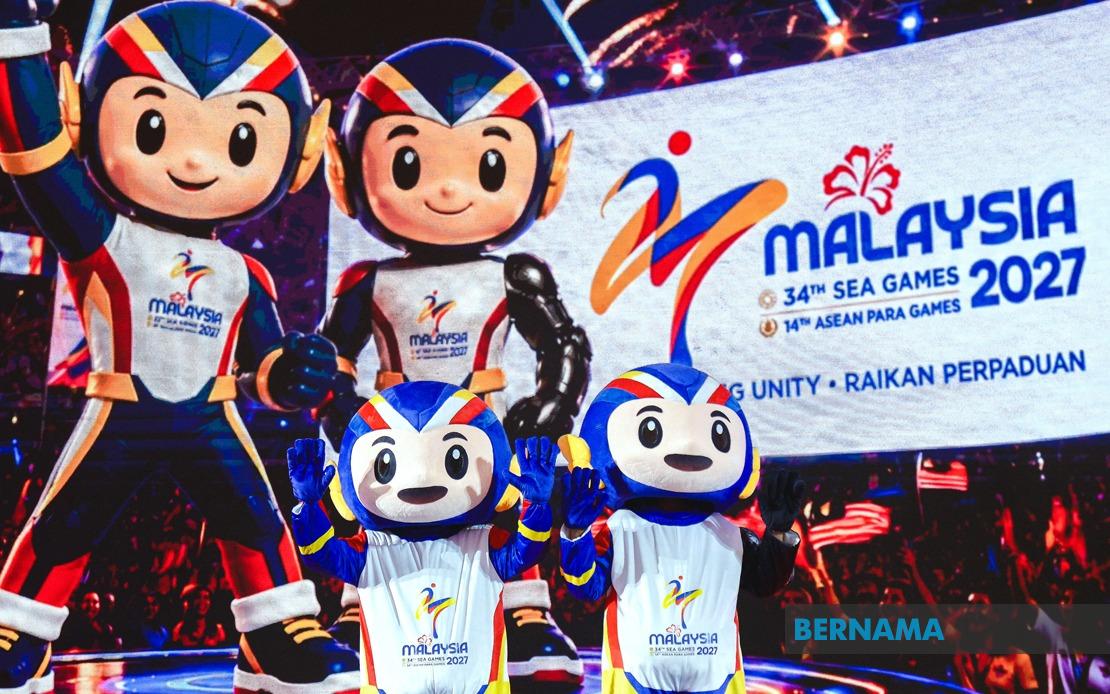
Malaysia has formally announced its branding strategy for hosting the 2027 Southeast Asian Games and ASEAN Para Games, introducing both an overarching theme and a distinctive mascot designed to galvanise regional sporting competition. The unveiling took place in Putrajaya on July 13, with Youth and Sports Minister Dr Mohammed Taufiq Johari presiding over the ceremony that outlined the nation's vision for the dual events.
The phrase "Celebrating Unity" encapsulates Malaysia's intended message throughout the Games, emphasising cohesion across the region and the transformative power of organised sport. According to Dr Mohammed Taufiq, this thematic choice transcends mere ceremonial language—it speaks directly to the aspirations athletes harbour as they prepare to compete at continental level. The minister characterised the theme as a catalyst for sporting excellence, designed to motivate competitors to transcend their existing capabilities and achieve success on an internationally recognised stage.
The official mascot, TUAH, represents a departure from conventional Games branding practices. Rather than adopting an animal figure—the standard approach in previous SEA Games editions—organisers selected a human-form character that embodies dynamism, self-assurance, and accessibility. This modern iteration of a heroic figure draws its visual identity from Malaysia's national flag, the Jalur Gemilang, weaving patriotic symbolism throughout the Games' iconography. The mascot's colour scheme reinforces national pride whilst simultaneously signalling Malaysia's commitment to fostering collective regional identity.
Dr Mohammed Taufiq articulated hopes that TUAH would function as a symbol of good fortune as Malaysia pursues its objective of securing the overall championship position amongst participating nations. The significance of hosting advantage in SEA Games competition cannot be understated—domestic support, familiar sporting environments, and logistical convenience traditionally favour the host nation. Malaysia's ambition to emerge as top medal earner reflects both confidence in athlete preparation and substantial investment in hosting infrastructure across geographically dispersed locations.
The hosting arrangement itself represents a unique geographical and administrative challenge. The 2027 Games will utilise sporting venues distributed across four distinct clusters: Sarawak, Penang, Johor, and Kuala Lumpur. This decentralised approach contrasts with previous Games' concentration in single metropolitan regions, requiring sophisticated coordination mechanisms and transport solutions spanning Malaysia's peninsula and east Malaysian territories. Dr Mohammed Taufiq reported that facility development has proceeded without significant difficulties, though attention has shifted toward technical preparations and timeline compliance.
The minister expressed particular confidence regarding venue readiness and overall preparation trajectory. His assessment suggests that fundamental infrastructure development—the physical construction and establishment of competition spaces—has progressed substantially, enabling focus to narrow toward logistical refinements and technical specifications. This progression from construction-phase concerns to operational planning indicates the host nation's capacity to manage a complex, multi-location sporting event.
Underpinning Malaysia's broader competitive ambition is an institutional target established by the National Sports Council. The NSC has set a performance benchmark of 70 percent podium finishes by Malaysian athletes competing at Asian-level championships through year-end. This metric serves dual purposes: it provides measurable assessment of current athlete development levels whilst simultaneously offering predictive insight into probable medal performance at the 2027 Games on home soil. The NSC director-general, Jefri Ngadirin, has indicated that achieving this target would substantially enhance Malaysia's prospects of overall championship success.
This strategic planning reflects recognition that hosting provides temporal advantage but requires sustained athlete development across multiple sporting disciplines. The disparity between current Asian-competition performance levels and desired 2027 outcomes necessitates continued investment in training, coaching infrastructure, and sports science support. Malaysian sports administration appears committed to leveraging the hosting opportunity not merely as a ceremonial honour but as a catalyst for sustained competitive elevation.
Regional context underscores the significance of this event for Southeast Asian sporting development. The SEA Games cycle provides participating nations with recurring opportunities to measure competitive progress and identify emerging talent. Malaysia's previous hosting experiences—most recently in 2017—demonstrate the nation's capacity to deliver large-scale multisport competitions. The dual hosting of both SEA Games and ASEAN Para Games emphasises inclusive participation and recognition of para-athletes within mainstream sporting competition.
The thematic and visual branding choices communicate Malaysia's governing philosophy for the Games. The emphasis on unity reflects broader regional sentiment following pandemic disruptions and geopolitical complexities within ASEAN. By positioning sport as a unifying force and selecting inclusive mascot imagery, Malaysia positions itself as a host nation committed to transcending divisive narratives through competitive sport.
The 2027 schedule indicates SEA Games will operate from September 18 to 29, followed immediately by the ASEAN Para Games running October 17 to 23. This compressed calendar requires meticulous planning to ensure venue transitions, athlete accommodation, and support services operate seamlessly across both events. The sequential scheduling maximises infrastructure utilisation and media attention whilst acknowledging distinct requirements of para-athlete competition.
Moving forward, Malaysia's sporting authorities face the substantive task of translating branding intentions into competitive reality. Investment in athlete development, coaching excellence, and performance analysis must accelerate to transform the 70 percent podium target into achieved outcomes. The TUAH mascot and "Celebrating Unity" theme serve as symbolic reminders of these objectives, providing visual anchors for public engagement and athlete motivation throughout the multi-year preparation period.

