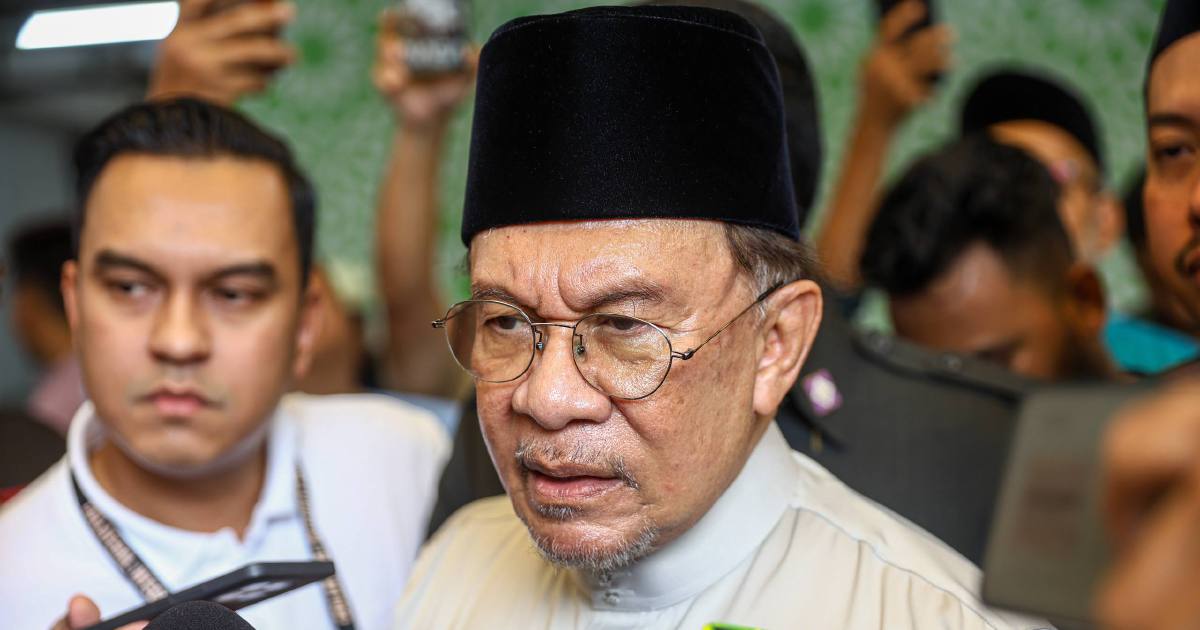
Prime Minister Datuk Seri Anwar Ibrahim has made clear that Malaysia will not waver in its position towards fugitive businessman Low Taek Jho—commonly known as Jho Low—irrespective of whether he receives a presidential pardon from the United States. Speaking in Kuala Lumpur, Anwar emphasised that Malaysia's domestic legal framework and its pursuit of justice in the sprawling 1Malaysia Development Berhad scandal will remain unaffected by any clemency granted across the Pacific.
Jho Low has long been a central figure in one of the world's most significant financial fraud cases. The flamboyant businessman allegedly orchestrated the theft of billions of ringgit from the state investment fund 1MDB, a scheme that triggered investigations across multiple jurisdictions and resulted in the conviction of former Prime Minister Najib Razak. Low himself has evaded capture for years, reportedly residing outside Malaysian territory while facing numerous charges in his home country.
The prime minister's statement carries particular weight given the ongoing international nature of the 1MDB investigation. While the United States has pursued its own civil and criminal cases related to the scandal, Malaysia's distinct legal claims and financial interests remain independent from Washington's prosecutorial decisions. Anwar's remarks signal that Kuala Lumpur will not treat a potential pardon as reason to abandon the pursuit of accountability within the Malaysian system.
For Malaysian readers, this position reflects a broader principle of national sovereignty in matters of financial crime. The 1MDB scandal devastated public finances and investor confidence when details emerged, making the case emblematic of governance failure and systemic corruption. Many Malaysians view the pursuit of Low and his alleged co-conspirators as essential to restoring institutional credibility and demonstrating that the country's courts operate independently.
Jho Low's alleged role in the 1MDB affair remains contentious internationally. Beyond Malaysia, authorities in Singapore, Hong Kong, and other financial centres have investigated his activities and the movement of allegedly stolen funds through their banking systems. A US pardon would affect only his legal exposure in America, leaving intact the separate claims and evidence compiled by other nations, including Malaysia's own authorities.
The prime minister's statement also comes amid broader efforts to strengthen Malaysia's anti-corruption agenda following the change of government in 2022. The Anwar administration has sought to rebuild public trust by pursuing high-profile corruption cases and signalling zero tolerance for financial misconduct at the highest levels. Jho Low's case remains symbolically important to that narrative, regardless of international developments.
Malaysia has recovered billions of ringgit in assets connected to the 1MDB case through settlements and asset seizures. However, the full scope of allegedly misappropriated funds remains contested, and enforcement against those believed responsible continues to occupy considerable resources within the judiciary and law enforcement agencies. Relinquishing the pursuit against Low would effectively abandon years of investigation and undermine credibility with international partners who have cooperated in the probe.
From a regional perspective, Anwar's firm statement sends a message to other Southeast Asian nations that Malaysia intends to maintain rigorous standards in holding financial offenders accountable. The region has increasingly faced pressure to strengthen anti-corruption frameworks and demonstrate effective enforcement. How Malaysia handles cases of this scale and complexity carries implications for broader regional governance standards and investor confidence in the region's institutional stability.
The possibility of a US pardon for Jho Low has circulated in recent months as speculation about presidential clemency decisions intensifies. While hypothetical at this stage, it underscores how international legal systems can diverge in their treatment of the same individual. A pardon would represent US domestic policy but would neither invalidate Malaysian law nor discharge Low's legal obligations to Malaysian courts and creditors.
Anwar's unambiguous position also reflects institutional interests within Malaysia's legal system. The Courts, the Attorney General's Chambers, and enforcement bodies have invested substantial effort in building cases against Low and others implicated in the 1MDB scheme. Abandoning prosecution in response to foreign clemency would undermine the authority and independence of these institutions and send damaging signals about the stability of Malaysia's rule of law.
Moving forward, observers will monitor whether Malaysia pursues additional enforcement mechanisms, such as strengthening international cooperation agreements or employing alternative legal avenues to pursue assets and accountability. The government has previously worked with international partners to locate and recover funds, and this approach may continue to offer practical channels for justice even if Low himself remains beyond direct Malaysian jurisdiction.
The prime minister's resolute stance ultimately reflects a calculation that Malaysia's interests—financial recovery, institutional credibility, and public confidence in the anti-corruption system—are better served by maintaining independent legal action rather than accepting external developments as reason for withdrawal. In the context of regional governance challenges, such firmness carries symbolic and practical significance for how Malaysia positions itself as a nation committed to accountability.

