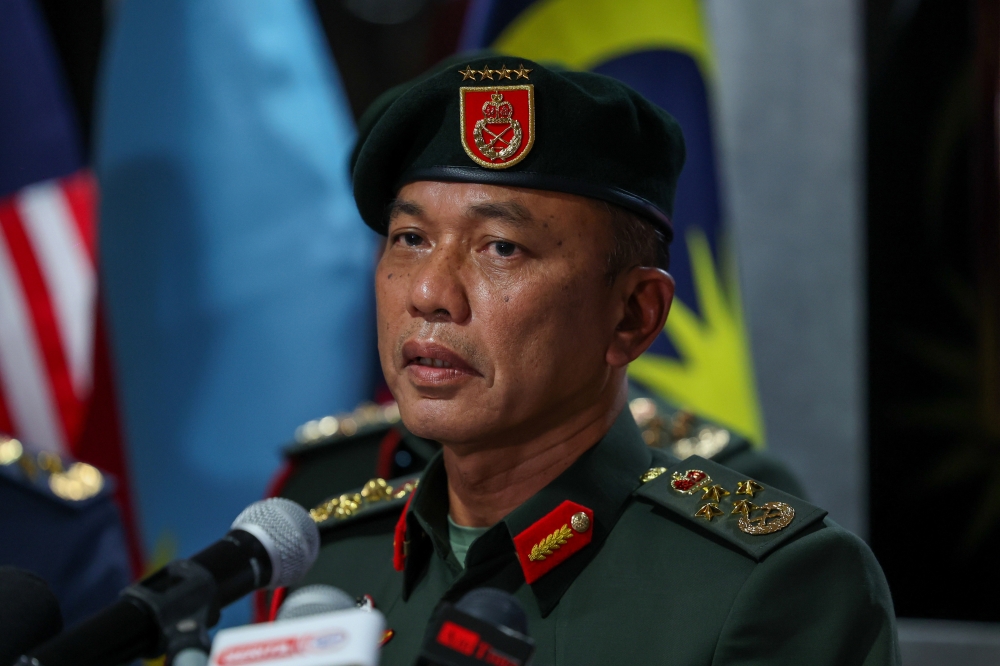
The Malaysian Army has pushed back against rape allegations that spread widely across social media platforms, asserting that its internal investigation uncovered facts at odds with the accusations levelled against one of its members. The military's statement, issued through official channels, represents an attempt to counter narrative momentum built through viral posts that had gathered significant public attention and concern regarding conduct standards within the armed forces.
The emergence of such allegations on social media platforms reflects an evolving pattern in Malaysia where serious claims against military personnel bypass traditional reporting channels and instead gain traction through digital means. This development raises important questions about how the public receives information about military accountability and the mechanisms through which such matters are typically investigated and resolved. The speed at which unverified claims spread online can substantially shape public perception before official investigations conclude, creating parallel narratives that compete for credibility among Malaysian audiences increasingly sceptical of institutional responses.
Internal investigations by military bodies operate within frameworks designed to maintain institutional integrity whilst addressing misconduct. The Army's statement suggests its investigative processes identified material that diverges from the publicly circulated allegations, though the service has not yet disclosed detailed findings or evidence supporting its position. This opacity, while potentially protecting investigative integrity and respecting privacy of involved parties, simultaneously fuels public curiosity and leaves space for speculation that further amplifies online discourse.
The incident underscores broader tensions between military institutional authority and social media democratisation of information dissemination. When serious allegations emerge without corroborating evidence presented to the public, institutional credibility becomes contested terrain. Malaysian citizens increasingly expect transparency regarding matters of military conduct, particularly when sexual assault allegations emerge, given heightened global and regional awareness of such issues and their prevalence across security institutions.
For Malaysian military leadership, navigating such situations requires balancing multiple imperatives: conducting thorough investigations, protecting the integrity of the process, addressing public concerns, and maintaining institutional morale. The challenge intensifies when competing narratives develop in the digital sphere, where institutional statements may struggle against emotional resonance of personal testimonies, however unverified. The Army's counter-statement suggests institutional concern that preliminary social media assertions may crystallise into accepted truth regardless of investigative findings.
The broader Southeast Asian security environment increasingly scrutinises armed forces conduct and accountability mechanisms. Regional militaries face mounting pressure to demonstrate professional standards and respect for human rights, with international observers and civil society organisations monitoring institutional responses to serious allegations. Malaysia's handling of this case could influence perceptions of the military's commitment to accountability, potentially affecting recruitment, public trust, and regional assessments of institutional reform efforts.
For Malaysian women advocating sexual assault awareness and justice, such incidents present complicated dynamics. Social media mobilisation has enabled victims to circumvent institutional barriers that historically silenced complaints, yet without proper evidence vetting and due process, claims can be weaponised or subsequently discredited, ultimately harming legitimate survivors seeking justice. The balance between amplifying silenced voices and ensuring accuracy remains delicate, particularly within hierarchical military contexts where power imbalances complicate allegations and investigations alike.
The military's position that its internal investigation contradicts viral allegations requires eventual public substantiation to restore institutional credibility. Refusing to disclose findings entirely risks appearing defensive, whilst selective disclosure raises concerns about fairness to all parties involved. Military leadership must determine appropriate transparency levels that satisfy public accountability expectations without compromising investigative processes or violating privacy protections.
Moving forward, the Malaysian Army faces pressure to articulate clearer mechanisms for addressing sexual misconduct allegations, potentially including independent oversight or civilian involvement that might enhance public confidence in outcomes. Regional militaries generally have strengthened such frameworks in recent years, recognising that institutional opacity regarding serious allegations ultimately weakens rather than protects military credibility. The Army's response to this case will likely influence how such matters are handled subsequently, setting precedents for military transparency and public engagement on sensitive institutional issues.

