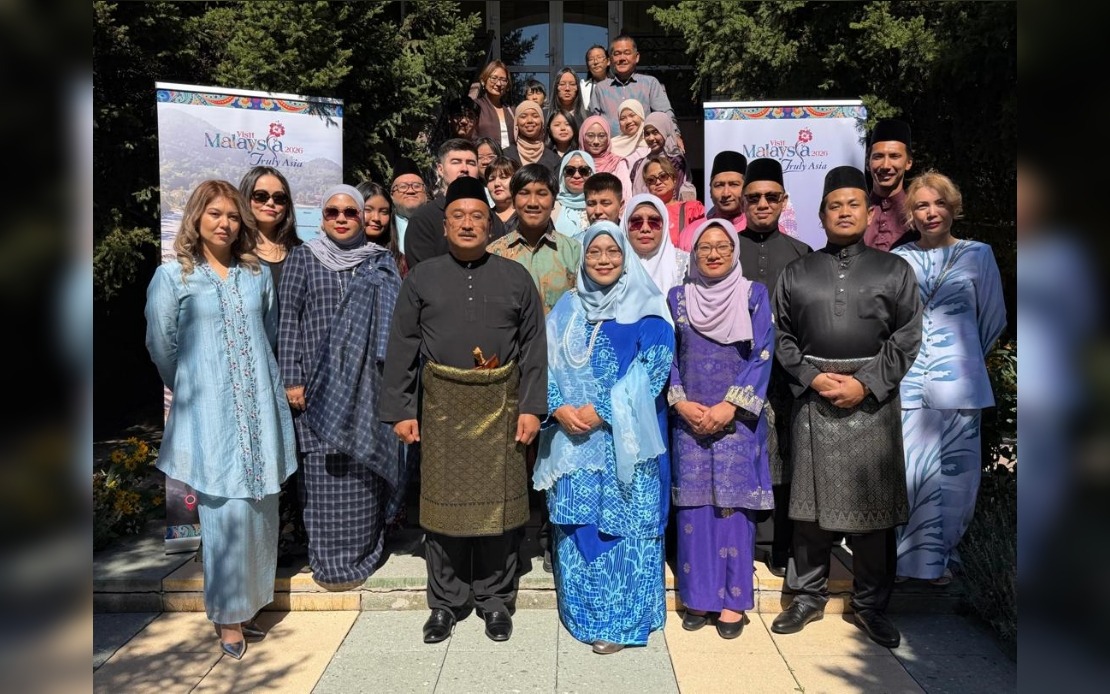
Thousands of kilometres from home, Malaysians working and studying in Kazakhstan demonstrated their national pride on Saturday through a ceremony marking the country's 69th National Day at Malaysia House in Astana. The event, coordinated by the Embassy of Malaysia in Astana, combined traditional patriotic rituals with contemporary diplomatic engagement, creating a symbolic space for the diaspora to reaffirm their connection to Malaysia while strengthening ties with their host nation.
The formal proceedings unfolded with the ceremonial raising of the Jalur Gemilang, the Malaysian flag, followed by a collective rendition of Negaraku and the recitation of the Rukun Negara. These foundational elements of Malaysian civic identity—flag, anthem, and founding principles—formed the ceremonial core of the gathering, reflecting how national observances abroad often emphasise symbolic affirmation when physical distance separates citizens from their homeland. The gathering brought together embassy personnel, government officials, Malaysian expatriates, university students and graduates of the Malaysia Technical Cooperation Programme, as well as Kazakhstani friends of Malaysia.
Mohd Adli Abdullah, the Malaysian Ambassador to Kazakhstan, used the occasion to articulate a broader interpretation of national progress through the 2026 theme of Malaysia MADANI: Prosperity Enjoyed. Rather than equating development exclusively with economic metrics or infrastructure expansion, Adli framed national advancement as the equitable distribution of prosperity across society's varied segments. This conceptual reorientation reflects Malaysia's contemporary governance philosophy, positioning shared economic benefit and inclusive development as central to national identity and purpose.
The ambassador's remarks positioned expatriate Malaysians as informal ambassadors carrying the nation's values beyond official channels. He encouraged community members to embody Malaysia MADANI principles through personal conduct—emphasising hard work, integrity, discipline, courtesy and mutual assistance. This framing transforms individual behaviour into diplomatic representation, suggesting that how Malaysians conduct themselves abroad directly influences international perceptions of the nation itself. The appeal underscores the diplomatic importance of diaspora communities in shaping soft power and cultural influence.
Beyond ceremonial observance, the event served as a platform for the MTCP Alumni Get-Together 2026, elevating the celebration beyond cultural commemoration into substantive engagement on human capital development and professional networking. This dual function reflects how modern diplomatic functions merge patriotic observance with strategic institutional promotion, allowing nations to simultaneously celebrate identity while advancing concrete development and cooperation objectives.
The Malaysia Technical Cooperation Programme, established in 1980, represents Malaysia's longstanding commitment to South-South cooperation—a development philosophy emphasising mutual support among developing nations. Through capacity-building initiatives, training programmes and postgraduate opportunities, the MTCP has positioned Malaysia as a development partner and knowledge provider within the Global South. As of 2025, 196 Kazakh officials had participated in various MTCP initiatives, demonstrating substantial institutional engagement between the two nations.
Kazakhstan presents a particularly significant arena for Malaysia's development cooperation efforts. As a resource-rich Central Asian nation undergoing rapid modernisation and diversification, Kazakhstan seeks expertise in governance, technical training and institutional development. The MTCP serves as a vehicle through which Malaysia exports its own development experience and professional practices, creating reciprocal relationships that strengthen bilateral ties beyond traditional diplomatic channels. These connections generate pools of trained officials and professionals with direct exposure to Malaysian systems and values.
The embassy's statement emphasised how such programming reinforces governmental strategic cooperation whilst simultaneously cultivating people-to-people connections essential for sustained bilateral relations. This multi-layered approach acknowledges that enduring international relationships depend on multiple interaction levels—formal government-to-government engagement, professional and technical networks, and personal friendships developed through sustained contact and shared experience. The MTCP alumni community represents exactly this networked approach to diplomacy.
For Malaysian readers, these developments in distant Kazakhstan illustrate how the nation maintains cultural continuity and diplomatic presence across diverse regions. Malaysia's strategic positioning as a development cooperator within Asia and beyond reflects broader ambitions to exercise influence and leadership proportionate to its capabilities and experience. The continued investment in programmes like MTCP signals commitment to long-term relationship-building rather than transactional engagement.
The gathering also underscores how Malaysian communities abroad sustain national identity despite geographic distance. Such ceremonial observances fulfill psychological and social functions for expatriates, creating moments of collective belonging and cultural affirmation. For younger Malaysians studying or working internationally, these embassy-sponsored events provide touchstones with national heritage and opportunities to connect with fellow citizens and like-minded professionals.
Regionally, Malaysia's development cooperation activities position it as a credible partner for emerging economies seeking institutional modernisation and technical expertise. This positioning strengthens Malaysia's diplomatic influence in Central Asia and contributes to its broader regional leadership aspirations. As Southeast Asia seeks to expand engagement with Central Asian partners through initiatives like the ASEAN-Central Asia dialogue, Malaysia's established presence through institutional programmes and alumni networks provides valuable foundational relationships.
Looking forward, the emphasis on Malaysia MADANI and inclusive prosperity resonates beyond ceremonial contexts. As Malaysia navigates complex economic transitions and social challenges, the messaging to diaspora communities reinforces the government's development philosophy and invites both domestic and international audiences to evaluate national progress through lenses of equity and inclusion rather than aggregate growth figures alone. This narrative framing carries implications for how Malaysia positions itself in regional and global development discussions.

