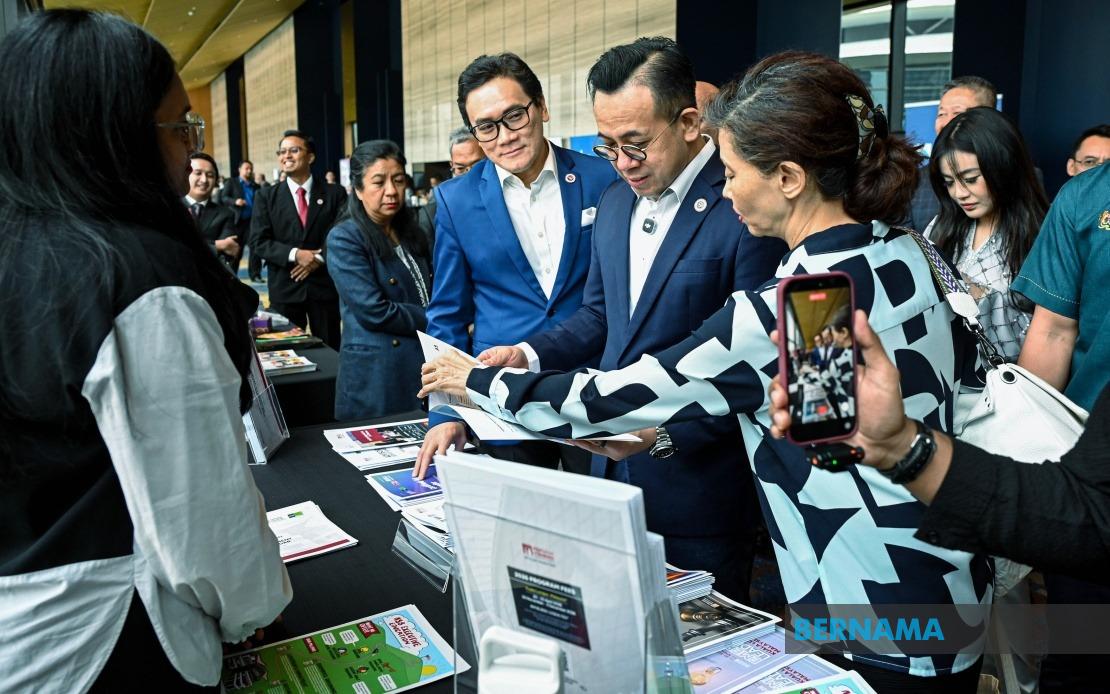
Malaysian businesses are being encouraged to embrace a fundamental shift in their approach to global competitiveness, moving away from a production-focused model towards one centred on design, innovation, and quality leadership. Entrepreneur and Cooperatives Development Minister Steven Sim made this call at the BrandQuest 2026 programme and National Mark of Malaysian Brand Appreciation Ceremony in Kuala Lumpur, signalling a strategic reorientation that reflects broader ambitions for the nation's economic standing.
The minister's push represents a critical inflection point for Malaysia's manufacturing and entrepreneurial ecosystems. Rather than competing primarily on cost or serving as contract manufacturers for foreign brands, local enterprises are being urged to establish themselves as originators of products that embody distinctly Malaysian values. This distinction matters significantly for the region's economic development, as it positions Malaysian firms to capture higher margins and build lasting brand equity rather than remaining locked in low-value production chains.
Sim articulated the government's vision as a transition from "Made in Malaysia" to "Made by Malaysia"—a phrase that encapsulates far more than semantic difference. The former model, he explained, involved producing goods designed elsewhere within Malaysia's borders, leveraging the country's manufacturing capabilities and labour costs. The latter represents a fundamental reconceptualisation, where Malaysian entrepreneurs own the entire value chain from conception through design to final production. This shift acknowledges that sustainable competitive advantage increasingly flows from intellectual property, design thinking, and brand ownership rather than from traditional manufacturing advantages alone.
The quality and safety framework underpinning this strategy cannot be overstated. As consumer consciousness rises across Southeast Asia and globally, products bearing the Malaysian Brand mark must demonstrate exceptional standards that justify premium positioning. The emphasis on safety, health, and quality serves as both a protective mechanism—ensuring Malaysian products do not undermine regional reputation—and a competitive differentiator in markets where consumers actively seek out certified, trustworthy sources.
Government support for this transition extends beyond rhetoric into tangible financial mechanisms. The Entrepreneur and Cooperatives Development Ministry allocated RM230,000 through SME Corp specifically to assist micro, small, and medium enterprises in obtaining National Mark of Malaysian Brand certification during 2025 and 2026. This targeted investment benefited approximately 40 enterprises, creating a growing cohort of certified Malaysian brands that can leverage government endorsement in domestic and international marketing efforts. The ministry has committed to reassessing funding levels periodically, signalling openness to scaling support as demand demonstrates viability of the certification pathway.
Beyond branding support, broader financing mechanisms are already functioning at considerable scale. The Power Up 10K programme has channelled RM9 billion in financing to 250,000 entrepreneurs nationwide as of July, with an annual target of RM15 billion. This represents substantial capital deployment aimed at ensuring Malaysian entrepreneurs possess sufficient resources to invest in innovation, quality improvements, and brand development. For context, this financing dwarfs many comparable programmes in the region and reflects serious government commitment to enabling business growth beyond subsistence entrepreneurship.
The practical implications for Malaysian manufacturers are substantial. Companies in sectors ranging from food processing to specialised manufacturing face pressure to compete increasingly on non-price factors. Seasonings Specialties Sdn Bhd, Passive Fire Protection Sdn Bhd, Goodnite Sdn Bhd, Halagel (M) Sdn Bhd, and Sydney Cake House Sdn Bhd exemplify the diversity of sectors where this repositioning is occurring. These recipients of the Malaysian Brand Heritage Award represent recognition of enterprises that have successfully built competitive advantages through quality, reliability, and distinctive brand identity rather than through cost leadership alone.
For regional competitors and trading partners, Malaysia's emphasis on upgrading its brand positioning warrants attention. As the country moves towards higher-value production and stronger intellectual property integration, the nature of regional supply chains and trade relationships will likely shift. Indonesian, Thai, and Vietnamese competitors may find themselves either collaborating with upgraded Malaysian firms in value-added tiers, or competing directly in premium segments traditionally dominated by established brands from developed economies.
The success of this repositioning depends critically on consistency and follow-through across government agencies and private enterprise. Certification programmes, financing availability, and policy support mean little without sustained marketing efforts, international distribution partnerships, and commitment to maintaining the quality standards that justify premium positioning. The minister's emphasis on this being "my mission" suggests personal investment in execution, though institutional embedding of these priorities across multiple government departments remains essential for long-term sustainability.
For Malaysian entrepreneurs, the window for capturing value through this transition may be time-limited. As competitors across Southeast Asia adopt similar strategies and international recognition of Malaysian brands gradually increases, first-movers in quality-focused, innovation-intensive sectors stand to establish durable market positions. The combination of government support, access to financing, and certification pathways creates opportunity structures that reward businesses willing to invest in product development and brand building rather than pursuing volume-based, price-competitive strategies.
Looking forward, the effectiveness of this repositioning will be measurable through several indicators: the growth rate of Malaysian branded products in international markets, the proportion of local enterprises achieving premium pricing without corresponding volume sacrifice, and the degree to which "Made by Malaysia" becomes recognisable and valued by consumers beyond the ASEAN region. Minister Sim's articulation of this vision provides the strategic framework; its realisation will depend on sustained execution and genuine transformation of how Malaysian businesses conceive their competitive positioning in increasingly sophisticated global markets.

