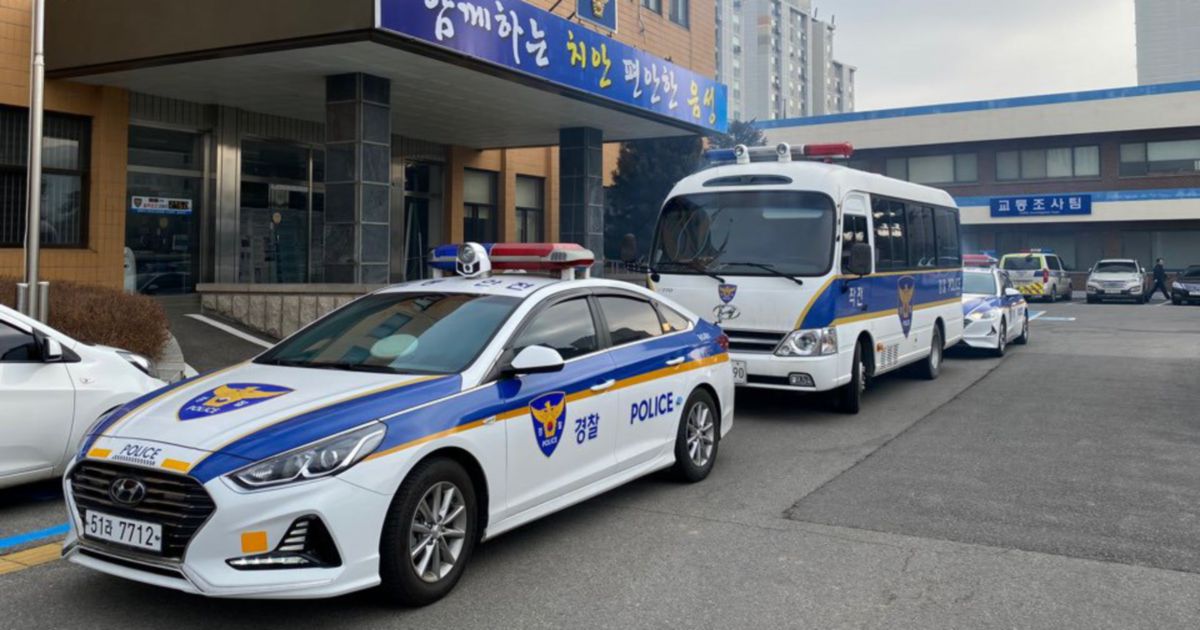
A Malaysian national lost his life in the early hours of Sunday following a violent street confrontation that erupted between two groups of foreign nationals in North Chungcheong Province, South Korea. The fatal incident has prompted immediate concern among Malaysian authorities and overseas communities regarding safety protocols and the well-being of citizens living and working in the country. South Korean police are currently investigating the circumstances surrounding the brawl, while a second Malaysian has been apprehended in connection with the fatal altercation.
The incident occurred in a region that has become increasingly popular among international workers and students seeking employment and educational opportunities in South Korea's manufacturing and technology sectors. North Chungcheong Province, located in the central part of the country, hosts numerous foreign nationals who migrate from across Asia for work-related reasons. The deadly clash highlights the unpredictable nature of conflicts that can arise when large groups of transient populations interact in unfamiliar social and cultural environments, particularly during late-night hours when alcohol consumption and reduced inhibitions may contribute to escalating tensions.
The death represents a tragic outcome of what may have begun as a minor dispute between individuals or groups. Street violence of this nature is not uncommon in urban and semi-urban areas globally, but the involvement of multiple foreigners and the fatal result elevate the severity and complexity of this particular case. South Korean law enforcement has initiated a comprehensive investigation to establish the sequence of events, identify all persons involved, and determine the precise cause of death and legal responsibility.
Malaysian authorities through their consular services in South Korea are expected to provide immediate assistance to the family of the deceased and ensure that the arrested Malaysian receives appropriate legal representation and consular support. This incident underscores the critical role that embassy and consulate officials play in protecting Malaysian nationals abroad and facilitating communication between families and the justice systems of host countries. The consular team will likely monitor proceedings closely to ensure that their countryman's legal rights are upheld throughout the investigation and any subsequent judicial processes.
The arrest of another Malaysian in connection with the incident raises questions about the nature of his involvement and the sequence of events that led to this tragic outcome. Whether he is suspected of committing the fatal act, inciting violence, or merely being present at the scene requires clarification from South Korean authorities. This distinction is crucial for determining appropriate legal charges and potential consequences under South Korean criminal law, which may differ significantly from Malaysian statutes.
This tragedy comes at a time when an estimated hundreds of thousands of Malaysians work, study, and reside throughout South Korea, forming a substantial expatriate community. Many Malaysians are employed in manufacturing facilities, information technology companies, and service industries, while others are pursuing higher education at South Korean universities. These communities, though generally law-abiding and integrated into local society, occasionally encounter challenges related to cultural adjustment, language barriers, and unfamiliarity with local customs and legal expectations.
Safety concerns for overseas Malaysians often extend beyond workplace hazards to include personal security in public spaces, particularly during evening and night-time hours. While South Korea is generally regarded as a safe developed nation with low crime rates compared to many other countries, incidents involving alcohol-fueled violence can occur unexpectedly, especially in areas with concentrated populations of foreign workers. The circumstances of this street brawl suggest that discretionary choices about personal safety, venue selection, and social companion-building may have contributed to the tragic outcome.
The incident will likely prompt Malaysian authorities to issue advisories to nationals residing in South Korea, emphasizing the importance of avoiding confrontational situations, steering clear of areas with high concentrations of nightlife establishments during late hours, and remaining vigilant about personal security. Such advisories are routine following serious incidents involving citizens abroad and serve as preventive measures to educate the broader community about risk factors and behavioural strategies that may reduce vulnerability to violence.
From a diplomatic perspective, this incident requires careful handling to ensure that bilateral relations between Malaysia and South Korea remain unaffected while justice is pursued fairly and transparently. South Korea's judicial system is recognized internationally for its professionalism and adherence to due process, which should provide confidence that the investigation will be conducted thoroughly and impartially. However, clear communication between Malaysian consular representatives and South Korean law enforcement agencies will be essential to ensure that all aspects of the case are properly documented and that the arrested Malaysian receives equitable treatment throughout legal proceedings.
The broader implications of this tragedy extend to discussions about workplace safety, social integration of foreign nationals, and the effectiveness of existing support mechanisms for overseas Malaysians. Educational initiatives targeting young Malaysians preparing for overseas employment could incorporate modules on personal safety, conflict de-escalation, and cultural competency. Furthermore, strengthening ties between Malaysian worker associations and local authorities in destination countries may facilitate better communication and early intervention in situations that might otherwise escalate into violence.
As investigations continue, the focus will ultimately shift toward ensuring accountability, supporting the grieving family, and implementing any necessary preventive measures to protect other Malaysian nationals from similar harm. The incident serves as a sobering reminder that safety challenges abroad require constant vigilance, informed decision-making, and comprehensive support systems that extend beyond merely providing employment opportunities to encompassing holistic well-being and security.

