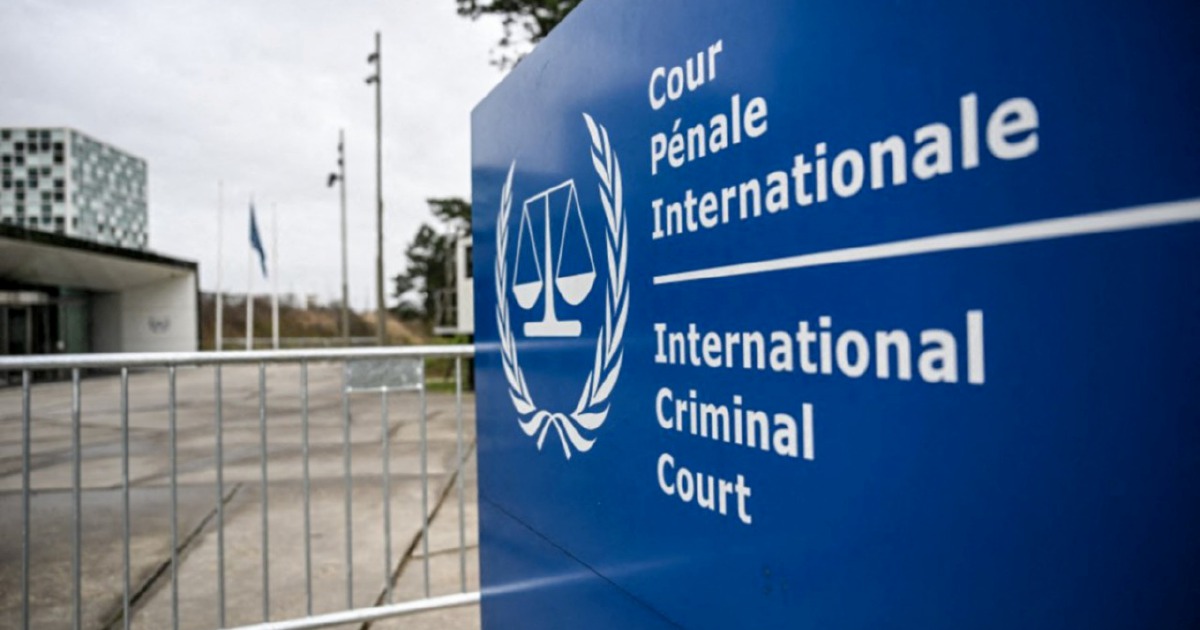
A Malaysian lawyer at the centre of misconduct allegations against International Criminal Court chief prosecutor Karim Khan has stepped into the public spotlight for the first time, revealing how her anonymity has been exploited to construct narratives that serve various interests beyond her control. In an interview with CNN, the lawyer articulated her frustration with how her identity protection, initially intended as a safeguard, has instead created a vacuum that others have filled with speculation and disinformation.
The decision to speak publicly marks a pivotal moment in a case that has reverberated through international justice institutions and touched on broader questions about accountability, due process, and the vulnerability of complainants in high-profile cases. Her emergence from anonymity reflects a calculated judgment that silence has become counterproductive, allowing critics and supporters of Khan alike to weaponize her unnamed status in ways that distort the substance of her allegations.
Khan, who leads the ICC's prosecutorial arm, has faced serious accusations of sexual misconduct and abuse of power. The allegations emerged within a context of mounting scrutiny regarding his leadership style and decision-making at the world court. The case has prompted internal investigations and raised questions about oversight mechanisms within the institution, particularly regarding how complaints from staff members are handled and investigated.
One significant false narrative that circulated suggested the lawyer maintained connections to Israeli interests, an allegation she has categorically denied. These claims reflect a broader pattern observed in contentious international cases, where allegations become entangled with geopolitical fault lines, and accusers or complainants become subject to credibility attacks rooted in unrelated political conflicts. For a Malaysian professional, such insinuations carry particular weight given regional sensitivities around Middle Eastern politics and Malaysia's historical positions on Palestinian issues.
The weaponization of the complainant's identity illustrates the precarious position occupied by whistleblowers and abuse victims who engage with international institutions. By remaining anonymous, her allegations could theoretically be examined on their merits without biographical details triggering defensive reactions. Yet the same anonymity permitted alternative actors to construct frameworks around her account, filling the information void with assumptions that served their respective agendas, whether to discredit Khan or to position the entire case as a geopolitical operation rather than a workplace integrity matter.
Her public statement constitutes a reclamation of narrative authority that anonymity had inadvertently surrendered. By identifying herself and speaking directly, she positions her testimony as coming from a named, identifiable professional rather than as disembodied allegations that can be freely reinterpreted. This represents a significant personal risk, as emerging from anonymity exposes her to potential retaliation, harassment, or further credibility assaults, considerations that likely weighed heavily on her decision.
For Malaysian observers, the case carries resonance beyond international criminal justice. It touches on questions about how professionals from the region are treated and whether they receive equal credibility and protection when making allegations within international forums. The suggestion of Israeli links to a Malaysian woman filing complaints represents a particular form of discrediting strategy that conflates identity, nationality, and alleged motives in ways that merit critical examination.
The ICC, as an institution designed to pursue accountability for crimes against humanity and war crimes, faces a paradox: its credibility depends partly on being receptive to complaints and allegations, yet that receptivity can be exploited or cynically weaponized by actors seeking to manipulate its processes for political purposes. The tension between protecting complainants and maintaining institutional legitimacy has proven especially acute in this case.
Khan's position as ICC prosecutor carries significant weight in international justice architecture. The institution pursues investigations involving sitting heads of state, military leaders, and other powerful figures. The integrity of the prosecutor's office thus bears directly on the legitimacy of the entire enterprise. Allegations of personal misconduct by the prosecutor himself therefore trigger not merely questions of individual accountability but broader concerns about institutional health and the ability of the ICC to function credibly on the global stage.
The lawyer's decision to speak publicly also underscores the limitations of anonymous complaint mechanisms as currently structured. While anonymity provides important protections against retaliation, complete concealment can undermine the very accountability such mechanisms are designed to advance. Her case suggests that future institutional designs might need to balance confidentiality protections with provisions allowing complainants greater agency in managing how their allegations are publicly understood and contextualized.
Moving forward, the focus must return to the substance of the allegations and the findings of the investigative process. The Malaysian lawyer's emergence from anonymity, coupled with her emphatic denial of manufactured political narratives, reinforces that this matter concerns workplace conduct and institutional accountability rather than geopolitical proxy warfare. For international institutions operating in an increasingly polarized global environment, that distinction carries essential weight.

