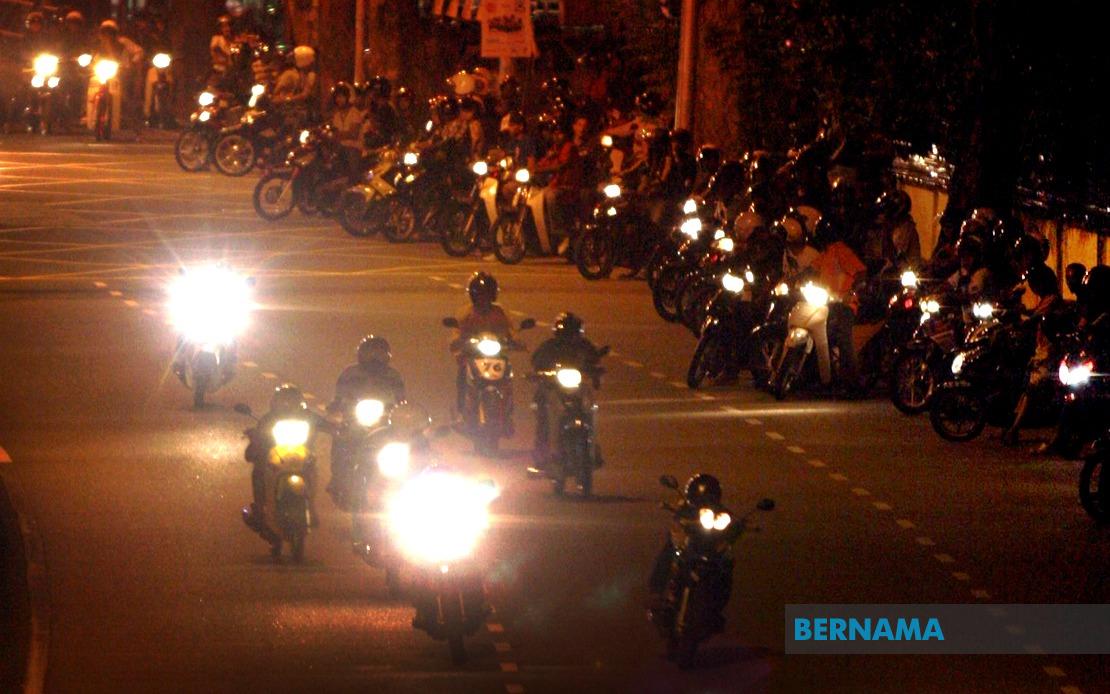
Parliamentary debate on the Road Transport (Amendment) Act 2026 has surfaced renewed calls for a comprehensive legislative response to Malaysia's persistent problem with illegal street racing, with legislators advancing several interconnected proposals designed to create meaningful deterrence beyond existing criminal penalties. The discussion reflects growing frustration with the scale and severity of racing-related incidents, particularly following high-profile accidents that have claimed lives and sparked public concern about enforcement effectiveness.
Among the most significant proposals is the permanent revocation of driving licences for offenders convicted of illegal racing. Datuk Willie Mongin from GPS-Puncak Borneo contended that existing fines and imprisonment terms have failed to provide sufficient deterrent effect, suggesting that removing perpetual road access would impose a lasting consequence that resonates beyond financial penalties. He advocated for minimum penalties comprising RM300,000 in fines or five years' imprisonment coupled with the licence revocation, arguing this combination demonstrates serious governmental resolve to communities affected by racing culture.
Khairil Nizam Khirudin from PN-Jerantut introduced a rehabilitation framework as a complementary measure, proposing that offenders undergo structured programmes incorporating disciplinary training and community service obligations. This approach reflects emerging penal philosophy in Malaysia that emphasises reformation alongside punishment, potentially breaking cycles of repeat offending through engagement with modified offenders. The rehabilitation concept acknowledges that many participants in street racing originate from younger demographic groups whose behaviour patterns remain malleable through appropriate intervention.
The parliamentary discussion also exposed a significant regulatory gap regarding motorcycle modification. Currently, workshops that illegally enhance motorcycles for racing purposes operate with limited oversight despite facilitating the infrastructure enabling street racing itself. Khairil Nizam proposed that the Ministry of Transport collaborate with the Ministry of Domestic Trade and Cost of Living to develop strengthened regulations under Section 66 of the Road Transport Act 1987, creating enforceable standards that would allow authorities to target businesses engaged in illegal modification services. This recognises that disrupting the supply chain of modified vehicles strikes at racing activity's operational foundation.
Another proposal introduced family accountability mechanisms, suggesting that parents or guardians of young offenders bear some legal responsibility for their children's participation in illegal racing. This approach reflects broader policy trends attempting to reinvigorate family institution roles in youth behaviour regulation, though implementation complexities regarding parental liability remain unresolved. The proposal assumes that enhanced family accountability will incentivise closer parental supervision and intervention, particularly for teenage racers who represent a significant portion of participants.
The Simpang Renggam incident in Johor on June 1, which resulted in fatalities involving high-powered luxury vehicles, prompted lawmakers to broaden legislative scope beyond motorcycles. Wan Razali Wan Nor emphasised that illegal racing encompasses increasingly diverse vehicle categories, with car-based racing presenting elevated danger levels due to speed capabilities and mass. He advocated extending Section 42A provisions to all vehicle types rather than maintaining narrow focus on motorcycles, recognising that racing culture has evolved to include performance cars and SUVs driven by wealthier demographics.
Shaharizukirnain Abd Kadir proposed vehicle destruction protocols, suggesting that excessively modified motorcycles seized during enforcement operations should face permanent disposal rather than return or impoundment. Destruction addresses a persistent vulnerability whereby vehicles are recovered following legal proceedings and subsequently relaunched into racing circuits, creating revolving-door cycles that undermine enforcement credibility. The proposal carries symbolic weight, demonstrating that participation in racing carries irreversible material consequences beyond human penalties.
Parallel to racing discussions, MPs raised emerging concerns regarding driving under influence of alcohol and drugs, advocating for strengthened victim compensation mechanisms. Zahari Kechik and Datuk Seri Dr Ismail Abd Muttalib proposed establishing formal compensation frameworks ensuring that impaired drivers bear financial responsibility for hospital expenses and victim welfare costs. This represents recognition that accident victims often face substantial medical and rehabilitation expenses that criminal sentencing alone does not address, creating secondary victimisation through financial hardship.
The proposed compensation mechanisms would align driver accountability with actual damages inflicted, moving beyond symbolic punishment toward restitutive justice. Implementing such frameworks requires coordination across justice, health, and transport sectors to establish transparent calculation methodologies and collection procedures. Malaysia's experience with similar victim compensation schemes in other jurisdictions provides some operational models, though adaptation to local conditions remains necessary.
The Road Transport (Amendment) Act 2026 represents an opportunity to consolidate fragmented enforcement approaches into coherent legislative architecture. Twenty-four government and opposition MPs participated in the debate, suggesting cross-party consensus that existing legislative tools require enhancement. However, legislative passage alone proves insufficient without corresponding resource allocation to enforcement agencies, particularly the Road Transport Department and traffic police units responsible for detecting and investigating racing activities.
Implementation challenges extend beyond legislative text to training requirements for enforcement personnel, coordination mechanisms across multiple ministries, and public communication explaining why such severe penalties serve legitimate public safety objectives. The proposals under discussion acknowledge that Malaysia's racing problem has evolved beyond youthful misadventure into organised activity sometimes linked to gambling, vehicle trafficking, and tuning industries operating partially underground. Addressing these dimensions requires enforcement strategies targeting infrastructure and supply chains rather than solely individual participants.
The debate also reflected recognition that illegal racing creates negative externalities affecting broader road safety culture, with racing normalising dangerous driving behaviours that influence general traffic conduct. By proposing meaningful penalties including permanent licence revocation, lawmakers signal that road privileges constitute conditional entitlements revocable through serious misconduct rather than rights inherent to vehicle ownership. This framing shift carries implications for how Malaysian society conceptualises road access and individual responsibility within shared transportation systems.