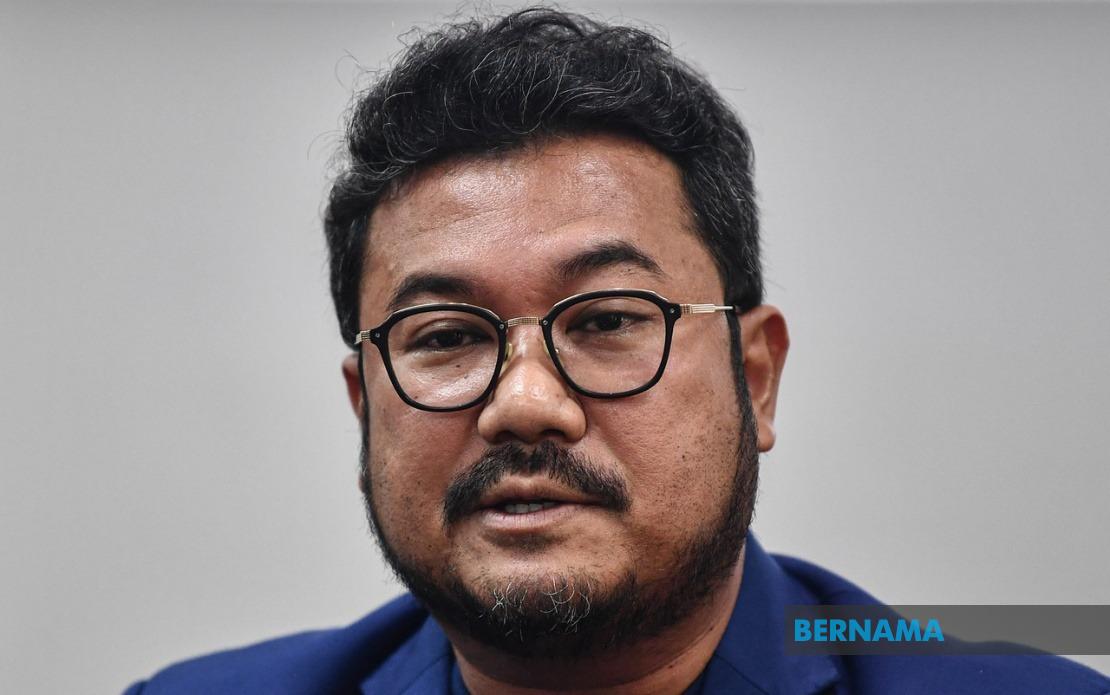
Datuk Seri Megat D Shahriman Zaharudin, who leads the Malaysian Paralympics Council, will represent Parti Peribumi Bersatu Malaysia in the 16th Negeri Sembilan state election, contesting the Seri Menanti seat. The announcement was made at a Bersatu candidate declaration event in Nilai on Wednesday, where party president Tan Sri Muhyiddin Yassin unveiled the full slate of 24 nominees the coalition intends to field across the state.
The move represents a significant political development in Negeri Sembilan, with Zaharudin bringing credentials from both the sports and community development spheres to his campaign. Beyond his role overseeing Malaysia's Paralympics programme, he also serves as president of the Negeri Sembilan Canoe Association, positioning him as someone with established ties to the state and its sporting infrastructure. His entry into electoral politics underscores Bersatu's strategy of recruiting individuals with substantial community profiles and organisational experience.
The timing of the candidate announcement comes as the electoral machinery moves into high gear for the state-level contest. The Election Commission has scheduled nomination day for Saturday, with the subsequent weeks mapped out for early voting on July 28 and the main polling exercise on August 1. This compressed timeline means campaigns will need to mobilise quickly to reach voters across Negeri Sembilan's constituencies.
Negeri Sembilan occupies an intriguing position in Malaysia's current political landscape. As a state where coalition dynamics have shifted considerably in recent years, any state election serves as a barometer for broader sentiments among voters. The decision by Bersatu to field 24 candidates indicates confidence in contesting substantially across the state rather than limiting its presence, suggesting the party views this as a meaningful opportunity to expand its legislative representation beyond its current holdings.
Zaharudin's background in disability sports administration brings a distinctive dimension to his candidacy. The Paralympics movement represents an often-underrepresented constituency in conventional political discourse, and his prominence in that sector may allow him to articulate priorities around accessibility, inclusive development, and support for athletes with disabilities. Such platforms can resonate particularly strongly in state-level politics where local infrastructure and community services feature prominently in voter considerations.
The Seri Menanti seat itself carries historical significance within Negeri Sembilan's political topography. Like many state constituencies, it reflects the state's mix of urban, semi-rural, and traditional communities. Candidates in such seats typically need to balance appeals to diverse voter groups, addressing concerns ranging from economic opportunity to preservation of community character. Zaharudin's sports administration background could provide him with a framework for discussing developmental issues and institutional capacity-building that affects local constituencies.
Bersatu's strategy of fielding a substantial candidate lineup reflects the party's positioning within Malaysia's evolving coalition framework. The party, which has experienced fluctuations in its political fortunes and inter-party alignments, appears to be making a concerted push to establish stronger footholds at the state level. State elections increasingly serve as proving grounds where parties can rebuild grassroots networks and demonstrate viability to potential partners and voters alike.
The announcement ceremony itself, held at Dewan Aminah Hamid, provided the party with an opportunity to present a unified ticket and narrative to the media and public. By gathering all candidates and senior leadership for a single event, Bersatu sought to project cohesion and readiness for the campaign period ahead. Such coordinated announcements also serve the practical function of generating media coverage that introduces candidates to broader audiences beyond their immediate constituencies.
For Malaysian readers and observers tracking Negeri Sembilan politics, the inclusion of figures like Zaharudin suggests campaigns in this cycle will feature individuals with professional accomplishments and organisational portfolios beyond conventional political backgrounds. This reflects a broader trend across Malaysian state elections where parties increasingly recruit successful administrators, business figures, and civil society leaders as candidates, seeking to leverage their credibility and networks.
The electoral calendar now moves swiftly toward nomination day, after which candidates will have roughly a week to campaign before early voting begins. This condensed timeframe means ground operations, voter outreach, and media strategies will need to be well-coordinated and efficiently executed. Zaharudin and fellow Bersatu contenders will be competing not only against candidates from other parties but also for media attention and voter engagement in what is likely to be a hotly contested election.
Negeri Sembilan's 16th state election will ultimately test whether Bersatu's recruitment strategy and candidate mix resonate with voters. The inclusion of personalities from sports administration, combined with the party's broader political positioning, will shape how this particular contest unfolds and what messages gain traction among the electorate across the state's various constituencies.

