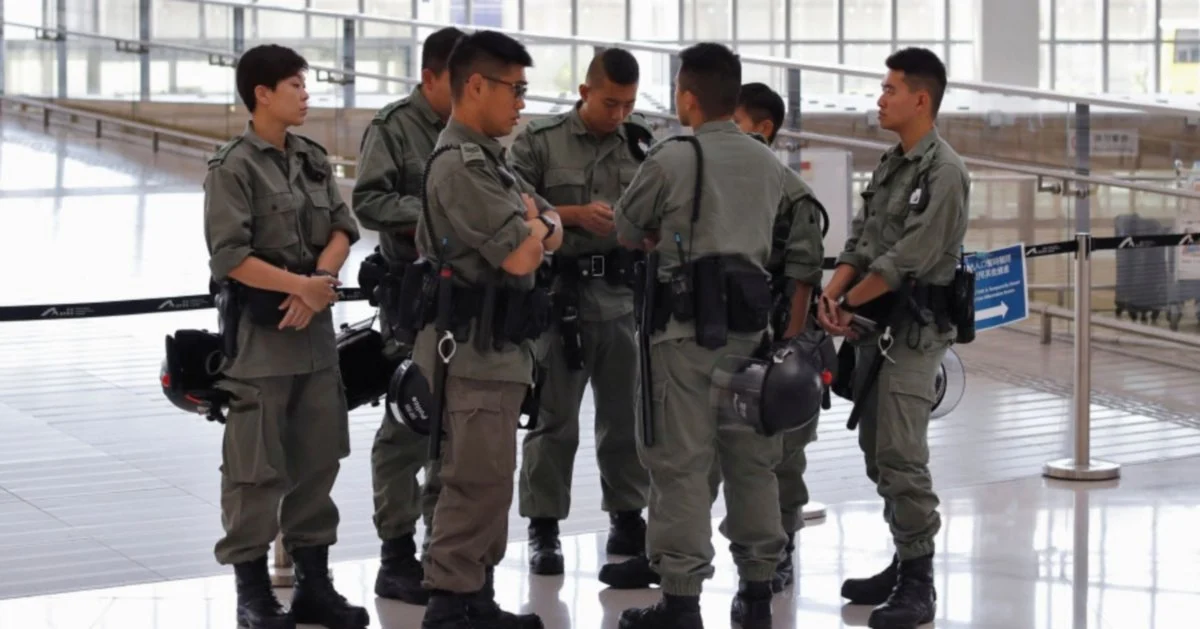
A teenager from Malaysia faces serious drug trafficking charges following his arrest at Hong Kong International Airport on July 9, when customs authorities uncovered 3kg of cannabis buds hidden within his luggage. The 19-year-old detainee was apprehended during routine baggage screening procedures, highlighting the continued vulnerability of major regional transit hubs to narcotics smuggling attempts by individuals often recruited through online networks or intermediaries who exploit youthful offenders.
The discovery at Hong Kong's busiest international airport underscores an enduring challenge facing Southeast Asian nations and their law enforcement partners. Over recent years, criminal syndicates have increasingly targeted young people from developing economies, leveraging financial hardship and promising substantial compensation for transporting controlled substances across border crossings. The quantity seized—3kg—falls into a classification that authorities in Hong Kong typically prosecute as trafficking for distribution rather than simple possession, potentially exposing the accused to lengthy custodial sentences under the territory's stringent drug laws.
Hong Kong maintains some of Asia's most severe penalties for drug offenses. Possession with intent to distribute cannabis can result in imprisonment of up to life, depending on the circumstances and quantity involved. For trafficking offenses involving 3kg, sentences commonly range from eight to fifteen years, though outcomes depend heavily on whether courts determine the individual acted as a courier for larger criminal networks or operated independently. The young Malaysian's case will likely follow Hong Kong's established judicial protocols, beginning with formal charges and bail hearings in coming weeks.
For Malaysia, this incident represents a recurring vulnerability within its youth population and broader regional security architecture. Malaysian nationals have been increasingly implicated in drug smuggling operations originating from source countries in the Golden Triangle and Golden Crescent regions. Law enforcement agencies in Kuala Lumpur have expressed concern about criminal recruitment networks that specifically target individuals aged 18-25, who lack extensive criminal records and present lower profiles to scanning systems at international airports. Intelligence agencies suggest many recruits are offered between RM2,000 and RM5,000 per successful delivery, sums that can prove irresistible to economically disadvantaged young people.
The arrest also reflects broader trafficking patterns across Hong Kong and Southern China, where demand for various narcotics remains substantial despite aggressive enforcement campaigns. Cannabis, once perceived as a lower-tier drug in Asian markets, has gained prominence as organized crime groups recognize growing demand among younger urban professionals and students. The volume seized—3kg of buds rather than processed powder or concentrated extracts—suggests either intermediate-level trafficking or a consignment intended for local retail distribution rather than further bulk redistribution.
Inter-agency cooperation between Malaysian and Hong Kong authorities remains essential for investigating the broader networks potentially behind this case. Investigators will likely seek to identify whether the teenager operated independently, acted as a courier for established smuggling rings, or was recruited through social media platforms and messaging applications that have become primary recruitment tools for transnational drug operations. Tracing financial transactions and contact records typically reveals the organizational hierarchy and may expose additional participants within Malaysia or elsewhere in Southeast Asia.
The timing and circumstances of such arrests carry implications for regional aviation security protocols. Hong Kong International Airport processes millions of passengers annually from across Southeast Asia, making it a strategic chokepoint for both legitimate trade and illicit substance movements. While detection systems have improved substantially, sophisticated packaging techniques and the involvement of insiders within airport operations occasionally allow contraband to progress further than security metrics suggest should be possible. This particular case, however, represents successful interdiction at the primary screening stage.
From a diplomatic perspective, the arrest will likely prompt renewed discussions between Malaysian and Hong Kong authorities regarding extradition frameworks, legal assistance agreements, and prisoner welfare protocols. Malaysian nationals detained abroad frequently encounter consular assistance requests, and diplomatic channels will address ensuring adequate legal representation and humane detention conditions. The case may also feature in bilateral discussions addressing broader organized crime cooperation, particularly regarding cross-border narcotic trafficking networks that operate throughout the region.
The broader implications extend to how Southeast Asian governments approach drug prevention education and economic opportunity initiatives targeting at-risk youth. While enforcement remains necessary, criminologists increasingly emphasize that addressing root causes—poverty, limited employment prospects, and susceptibility to recruitment—requires complementary social interventions. Malaysia's National Anti-Drugs Agency has implemented awareness campaigns, but resource constraints and competing priorities limit their reach in economically vulnerable communities where recruitment networks operate most effectively.
For the teenager involved, the consequences extend far beyond potential custodial sentences. Conviction in Hong Kong will result in permanent criminal records that severely limit future employment, education, and travel opportunities across most jurisdictions. Many countries maintain automatic visa refusal policies for individuals with drug trafficking convictions, effectively closing numerous avenues for legitimate international mobility. The collateral impact on family members—social stigma, economic strain from legal costs, and emotional trauma—remains an often-overlooked dimension of such cases.
As investigations proceed, this arrest will join a growing body of cases demonstrating how regional trafficking networks continue exploiting young Southeast Asian nationals despite enforcement intensification. The successful interception at Hong Kong International Airport represents positive outcomes for local customs agencies, but it simultaneously illustrates how readily accessible cannabis remains within source regions and how economically vulnerable populations across Malaysia and neighboring countries face recruitment pressure from criminal networks operating with increasing sophistication across international borders.

