Malaysia's higher education sector has begun establishing clearer boundaries around generative artificial intelligence use following the Ministry of Higher Education's introduction of comprehensive guidelines in 2024. The framework represents a significant step in helping universities navigate the complex intersection of technological innovation and academic standards, with institutions across the country now developing tailored policies to govern how students and faculty engage with these powerful tools.
The guidelines emerged from recognition that generative AI presents both opportunities and risks within academic environments. While the technology can enhance learning and streamline administrative processes, unchecked adoption threatens fundamental principles of academic integrity that have underpinned higher education for centuries. By providing a structured national framework, the ministry has given individual institutions a foundation upon which to build contextualised policies reflecting their own academic cultures and priorities.
According to MOHE Deputy Minister Adam Adli Abdul Halim, universities have responded constructively by establishing their own standard operating procedures based on the ministry's framework. These institutional guidelines translate national principles into practical mechanisms that students and lecturers can understand and follow. The approach recognises that one-size-fits-all regulation would be ineffective; instead, universities have been empowered to develop procedures aligned with their specific academic disciplines and student populations.
The institutional procedures now in place address a crucial gap that existed previously. Universities have established clear response mechanisms for handling cases where generative AI has been misused, along with defined pathways for investigation and disciplinary action. This clarity matters enormously for both deterrence and fairness—students and staff need to understand precisely what constitutes misuse and what consequences might follow, while institutions need consistent frameworks to ensure equitable treatment across cases.
A particularly significant requirement under the new framework mandates that students declare their use of generative AI in academic assignments. This declaration mechanism serves multiple purposes: it creates transparency around the extent to which AI has been employed, enables educators to assess whether usage patterns are appropriate for the assignment's learning objectives, and establishes accountability that deters casual misuse. The requirement reflects a pragmatic approach recognising that absolute prohibition would be neither enforceable nor desirable, given AI's increasing integration into professional practice.
The guidelines have clearly defined boundaries around what constitutes acceptable use. Students remain obligated to apply rigorous research methodology and proper academic referencing standards, with the crucial stipulation that assignments cannot rely entirely on AI-generated content. This distinction is critical: the technology should amplify human intellectual effort, not replace it. Breaches of these standards—using generative AI to produce essays or research journals without adhering to ethical protocols—now carry serious consequences including disciplinary measures and potential revocation of academic qualifications.
Deputy Minister Adam Adli emphasised that technology must remain subordinate to academic discipline. This philosophical position represents an important guardrail as universities incorporate AI into learning environments. The message to students is unambiguous: generative AI functions as a supporting tool within the learning process, similar to how calculators or reference databases serve academic work. Neither absolves students of their responsibility to develop genuine understanding and demonstrate original intellectual contribution.
The practical effect of these guidelines has begun to manifest across Malaysia's higher education institutions. While cases of misuse continue to occur—as might be expected during any transition period—universities now possess systematic approaches to identify, investigate and address these instances. The existence of clear procedures has also shaped behavioural expectations among both students and lecturers, creating a shared understanding that AI use within academic contexts operates under specific rules rather than existing in a regulatory vacuum.
The timing of this framework development reflects global conversations occurring within higher education. Universities worldwide are grappling with how to integrate powerful generative AI tools while preserving academic integrity standards. Malaysia's approach of establishing national guidelines while encouraging institutional interpretation demonstrates a balanced governance model—centralised enough to ensure consistency and fairness, yet flexible enough to accommodate disciplinary differences and institutional contexts.
The implications extend beyond classroom management into broader questions about graduate competency. Students navigating these guidelines must develop judgment about when AI use enhances learning versus when it undermines the acquisition of essential skills. This discernment—understanding not just whether something is permitted but whether it serves genuine learning purposes—represents a valuable capability in itself. Graduates who learn to work thoughtfully with generative AI within ethical frameworks will likely prove more valuable to employers than those with either no AI experience or habits formed through unrestricted use.
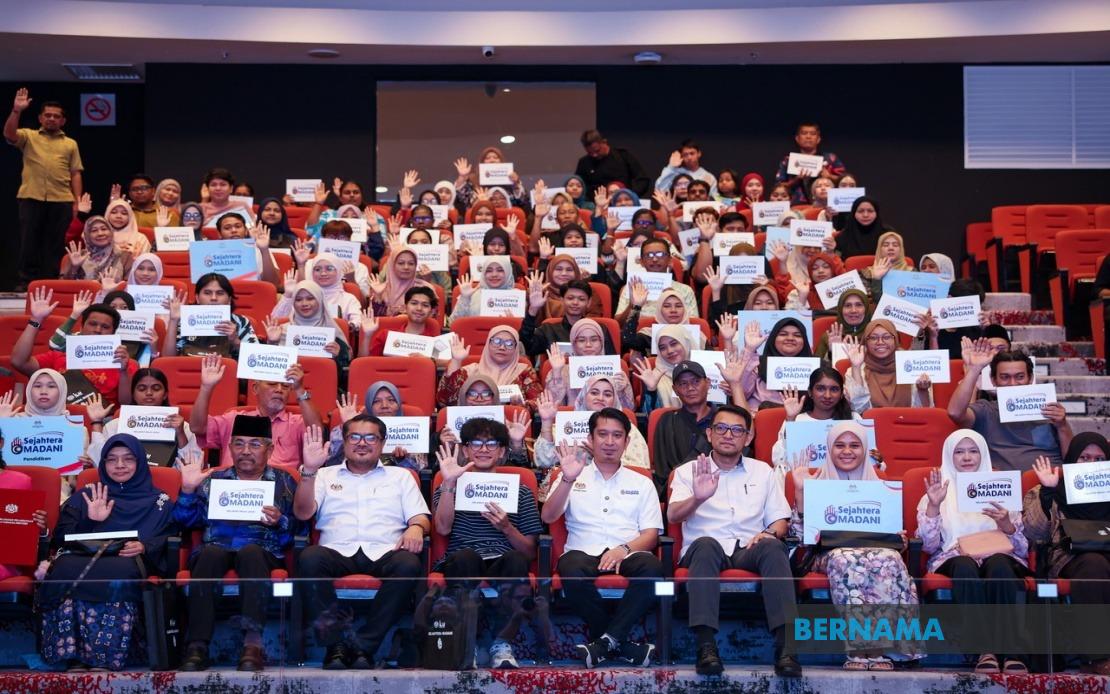
Supporting this broader educational development, the MOHE has complemented its AI governance framework with initiatives to enhance student wellbeing and access. During recent ceremonies in Melaka, outstanding secondary students received laptops while university students received tablets as part of the Sejahtera MADANI initiative targeting families from eKasih backgrounds. These complementary efforts recognise that managing technology risks and expanding technology access are interconnected challenges requiring simultaneous attention.

