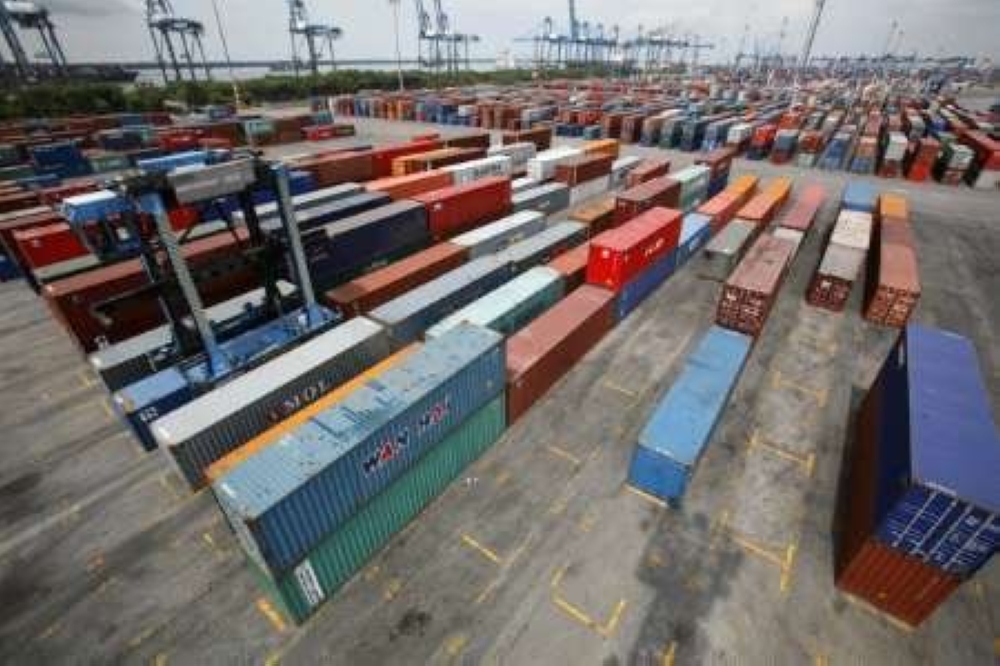
Plans for a coordinated anti-smuggling task force involving the Malaysian Anti-Corruption Commission and the Customs Department have not yet moved beyond the discussion phase, according to officials familiar with the negotiations. The proposed joint operation, which would bring together two of the country's most significant enforcement bodies, remains a work in progress as both agencies deliberate on the practical framework and operational mechanisms required to make such a partnership effective.
The Customs Department confirmed in Petaling Jaya on August 7 that conversations between the two bodies continue, though no timeline has been established for implementation. Officials emphasised that creating a unified task force requires careful coordination, as both organisations operate under different legal mandates and administrative structures. The deliberations reflect the complexity involved in merging the investigative and regulatory functions of agencies with distinct primary responsibilities.
Smuggling represents a persistent challenge for Malaysia's government, with contraband goods ranging from luxury items and electronics to tobacco, fuel, and pharmaceuticals entering the country through porous border regions and maritime routes. The problem costs the Malaysian economy billions in lost revenue annually and undermines domestic businesses that compete against illegally imported goods sold at artificially low prices. Authorities have identified smuggling as a significant drag on the nation's fiscal position and a source of funding for criminal networks operating across Southeast Asia.
The rationale for combining MACC and Customs resources appears sound from an administrative perspective. The Anti-Corruption Commission brings investigative expertise and prosecutorial reach, traditionally focusing on graft and financial crimes, while Customs possesses specialised knowledge of border procedures, commodity classification, and supply chain monitoring. A joint task force could theoretically enhance the government's capacity to track suspicious financial flows associated with contraband operations and pursue criminal networks involved in organised smuggling rings.
However, integrating two agencies with distinct organisational cultures and operational protocols presents genuine challenges. The MACC functions as an independent statutory body with constitutional protections, whereas Customs operates as a revenue-generating department within the Ministry of Finance. Questions about operational command structure, resource allocation, intelligence sharing protocols, and the hierarchical arrangement between the two organisations remain unresolved in these discussions. Officials have hinted that determining which agency assumes primary investigative responsibility and how conflicts in jurisdiction would be managed requires substantial negotiation.
Regional context adds urgency to Malaysia's efforts to strengthen smuggling enforcement. Neighbouring Singapore and Thailand have implemented sophisticated joint task forces combining customs, police, and anti-corruption authorities to address trafficking and smuggling. These regional examples demonstrate the effectiveness of coordinated approaches, yet they also highlight how such operations require detailed agreements on evidence handling, personnel deployment, and cross-border intelligence exchange. Malaysia's proposed initiative would likely incorporate lessons from these neighbouring models.
The financial implications of smuggling extend beyond lost customs revenue. Illegal imports deprive the government of excise duties on controlled goods and sales tax collections, while state governments lose significant income from duty-related levies. Smuggling also creates unfair competitive pressures on legitimate Malaysian manufacturers and distributors, some of whom operate marginal profit margins already squeezed by regional competition. A more effective enforcement apparatus could theoretically level the playing field for compliant businesses and strengthen Malaysia's trade competitiveness.
Stakeholders including business associations and consumer groups have expressed support for stronger anti-smuggling measures, provided they do not generate unintended consequences such as higher legitimate consumer prices or excessive bureaucratic delays at ports. The packaging industry, which suffers from counterfeit and illicit product infiltration, has particularly advocated for enhanced enforcement. These constituencies will likely monitor the progress of the MACC-Customs discussions with interest.
The current status of negotiations suggests that while both agencies recognise the value of enhanced cooperation, they require adequate time to work through institutional details. Creating formal memoranda of understanding, establishing joint operational centres, developing integrated information systems, and training personnel to work across agency boundaries demands careful planning. Previous attempts to establish inter-agency task forces in Malaysia have encountered implementation delays when these foundational elements were rushed through initial discussions.
For Malaysian businesses and consumers, the timeline for implementing a functional anti-smuggling task force carries real consequences. Current smuggling levels inflate prices for certain legitimate goods while undercutting others, distorting market signals and inefficiently allocating resources across the economy. A functional joint task force could theoretically improve market conditions, though the magnitude of such benefits would depend entirely on the operational effectiveness of the final arrangement.
Official statements indicate that both the MACC and Customs Department remain committed to the concept, with discussions expected to continue over coming months. No announcement has been made regarding when a functioning task force might become operational, and observers suggest that realistic implementation dates likely extend well into 2025. The deliberate pace of negotiations, while potentially frustrating for those eager to see enhanced enforcement, may ultimately serve the long-term effectiveness of whatever arrangement eventually emerges from these discussions.

