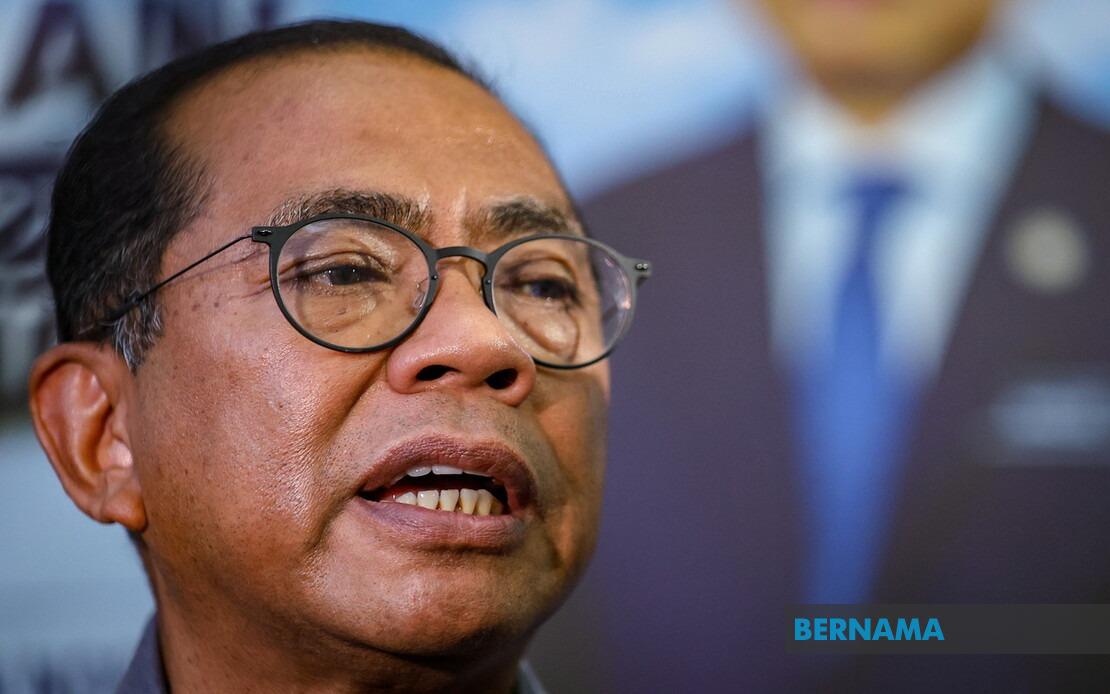
Defence Minister Datuk Seri Mohamed Khaled Nordin touched down in Hanoi on August 5 for a two-day official visit designed to bolster defence cooperation between Malaysia and Vietnam, signalling a renewed commitment to deepening ties between Southeast Asia's two strategic nations. The trip marks his inaugural official journey to Vietnam since taking the helm of Malaysia's Defence Ministry, underscoring the importance both governments place on this bilateral relationship.
Upon his arrival at Noi Bai International Airport, Mohamed Khaled is set to engage with Vietnam's top leadership, including meetings with Prime Minister Le Minh Hung and Deputy Prime Minister and Minister of National Defence Gen Phan Van Giang. These high-level consultations are expected to address shared security challenges and explore mechanisms for enhanced military-to-military engagement that could span training exchanges, joint exercises, and intelligence-sharing protocols.
The timing of this visit comes against the backdrop of broader geopolitical currents sweeping through Southeast Asia. As regional powers jostle for influence and maritime disputes persist in contested waters, Malaysia and Vietnam's willingness to strengthen defence partnerships demonstrates a pragmatic approach to managing mutual security interests while maintaining stability. Both nations face similar pressures regarding territorial integrity and freedom of navigation, factors that have historically provided common ground for their defence relationship.
Malaysia and Vietnam have cultivated defence ties spanning several decades, though these relationships have experienced natural ebbs and flows reflecting broader diplomatic shifts. The renewal of their Memorandum of Understanding on defence cooperation in December 2023 represents tangible evidence of this commitment, moving beyond rhetorical gestures to establish formal frameworks that guide practical collaboration. Such instruments are crucial in Southeast Asia, where defence partnerships often operate within constrained institutional structures and rely heavily on personal relationships between senior military and political figures.
Mohamed Khaled has articulated an ambitious vision for this engagement, expressing hope that the visit will elevate Malaysia-Vietnam defence relations to unprecedented heights. This language suggests Malaysian officials envision expanding cooperation beyond traditional areas into emerging domains such as cybersecurity, counter-terrorism coordination, and maritime domain awareness. The Defence Minister's emphasis on creating opportunities that benefit both nations while contributing to regional peace indicates a broader strategic calculus in which bilateral ties serve multilateral stability objectives.
For Malaysian defence planners, Vietnam represents a crucial partner in an increasingly multipolar Asia-Pacific. Vietnam's strategic location along major shipping routes, its military modernisation programme, and its experience managing great power competition make it a natural ally for Malaysian security interests. Conversely, Malaysia's geographic position on the Strait of Malacca and its role within the Association of Southeast Asian Nations provide Vietnam with access to important diplomatic and strategic networks essential for navigating regional complexity.
The defence relationship between the two countries extends into practical domains that directly affect citizens' security. Maritime security cooperation is particularly significant given both nations' extensive coastlines and competing claims in disputed waters. Joint patrols, information-sharing arrangements, and coordinated responses to non-traditional security threats such as piracy and smuggling can yield tangible benefits for both populations while demonstrating constructive approaches to managing differences.
From a Southeast Asian perspective, Malaysia-Vietnam defence cooperation carries symbolic weight beyond bilateral considerations. It underscores ASEAN's capacity to foster intra-regional partnerships that do not depend on great power patronage or create zero-sum dynamics. In an era when external powers increasingly seek to establish military footholds throughout the region, demonstrating that ASEAN nations can independently strengthen ties with one another reinforces the bloc's centrality to regional security architecture and decision-making.
The Defence Minister's visit also reflects Malaysia's broader foreign policy orientation under current leadership, which has emphasised pragmatic engagement with regional neighbours regardless of ideological or political differences. This approach acknowledges that security threats transcend traditional political boundaries and that cooperative frameworks yield superior outcomes compared to isolated national strategies. Vietnam, having navigated its own complex geopolitical position between competing powers, likely appreciates Malaysia's commitment to practical, issue-based partnerships.
Looking ahead, this visit may generate momentum for additional defence initiatives. These could encompass expanded military education exchanges, joint research programmes addressing shared maritime challenges, and coordination within multilateral forums such as the ASEAN Regional Forum and East Asia Summit. Such mechanisms would embed Malaysia-Vietnam relations within broader regional architecture while creating multiple channels for dialogue and cooperation beyond formal diplomatic channels.
The visit also carries domestic political significance for both nations. In Malaysia, it demonstrates the Defence Ministry's activism in advancing national security interests through bilateral engagement. For Vietnam, it reflects the country's continued integration into Southeast Asian defence networks and its commitment to maintaining balanced relationships with neighbouring states. Both governments benefit from showcasing progress in defence cooperation as evidence of effective governance and strategic competence.
Ultimately, Mohamed Khaled's visit encapsulates a larger truth about contemporary Southeast Asian security: that in-region partnerships rooted in shared interests and mutual respect remain foundational to managing the complex security environment. While grand strategies and major power competition dominate international discourse, the daily work of defence diplomats—building relationships, establishing protocols, and expanding areas of cooperation—provides the operational bedrock upon which regional stability rests.
As Malaysia and Vietnam engage during this visit, they are contributing incrementally but meaningfully to the construction of a region where states pursue their legitimate security interests through cooperative rather than confrontational means. Such partnerships may not generate headline-grabbing announcements, but they represent the quiet, essential work through which Southeast Asian nations maintain agency over their own futures.

