Malaysia's education system is grappling with escalating safety challenges that demand systemic reform across the country's 10,258 schools, according to the Ministry of Education's latest initiative. The newly implemented Student Protection Policy represents a watershed moment for how the sector addresses student welfare, moving beyond traditional classroom management to encompass mental health, safeguarding protocols, and the emotional needs of learners in an increasingly complex social environment.
Education director-general Datuk Mohd Azam Ahmad painted a sobering picture of the daily realities confronting school administrators and education officials. The ministry receives injury reports almost continuously, with some days witnessing double-digit fatality cases—a frequency that belies the outwardly serene appearance of most Malaysian school campuses. This disconnect between public perception and internal data underscores why education authorities felt compelled to develop more stringent, nationally consistent protocols for student protection across the board.
The scope of the challenge has expanded well beyond traditional playground accidents or classroom discipline issues. Today's students navigate a digital landscape that exposes them to external pressures and influences at developmental stages far earlier than their predecessors experienced. The intersection of rapid technological change, evolving social dynamics, and the psychological demands of contemporary adolescence has fundamentally altered the nature of the threats schools must manage. This reality necessitated the ministry to move beyond ad-hoc incident responses toward a preventive, policy-driven framework.
The teaching profession itself has undergone profound transformation, necessitating parallel evolution in support systems and clear operational guidelines. Educators today bear responsibility extending far beyond subject matter delivery. The modern teacher functions as mentor, counsellor, character guide, and emotional support provider—roles that require comprehensive training, emotional resilience, and robust institutional backing. Datuk Mohd Azam acknowledged this expanded mandate when he emphasised that the new policy exists partly to help teachers execute these multifaceted responsibilities within professionally sound parameters while navigating contemporary challenges that previous generations of educators never confronted.
The Student Protection Policy, formally introduced through a Surat Pekeliling Ikhtisas (SPI) circular dated July 1, establishes mandatory compliance mechanisms designed to embed accountability throughout school ecosystems. A particularly significant provision requires school personnel and external parties with regular school access to sign a Letter of Compliance, formalising their commitment to safeguarding principles. This contractual approach signals the government's determination to create enforceable standards rather than aspirational guidelines, establishing clear expectations for conduct and duty of care.
The policy framework encompasses several interconnected reform areas reflecting holistic thinking about student welfare. Mental health support has been prioritised, acknowledging the psychological pressures contemporary students endure. Reproductive and social health education components address subjects historically shrouded in institutional silence, recognising that adolescent knowledge gaps create vulnerability to exploitation and misinformation. Prevention strategies targeting child sexual violence and substance abuse represent direct responses to documented threats within the education sector. Teacher welfare provisions recognise that educator stress and burnout ultimately compromises student safety and learning outcomes.
Significantly, the policy elevates student voice as a mechanism for identifying emerging problems and building accountability. When young people feel genuinely heard within institutional structures, they become partners in safety rather than passive recipients of top-down protection measures. This participatory dimension reflects contemporary understanding that protective systems work most effectively when they incorporate the perspectives of those most affected—the students themselves.
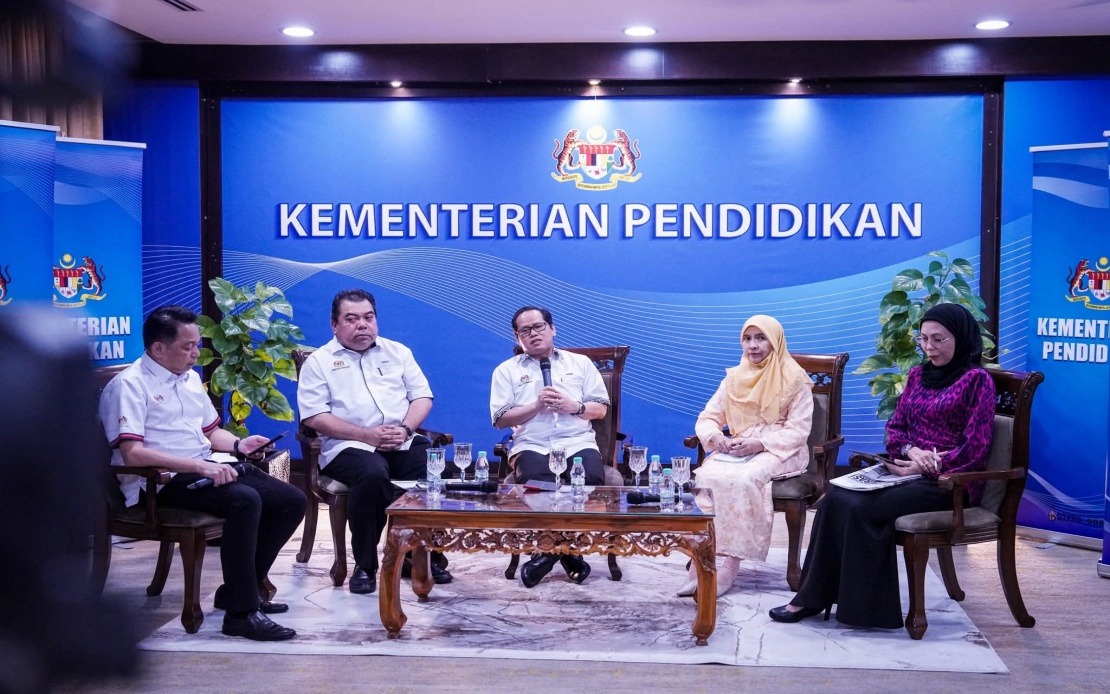
The policy's rollout occurred during a dialogue session featuring diverse expertise and perspectives. Children's Commissioner of the Human Rights Commission of Malaysia (SUHAKAM) Dr Farah Nini Dusuki brought human rights considerations to the discussion, ensuring that protection measures align with fundamental principles of child dignity and constitutional safeguards. MOE Daily School Management Division director Hanafi Abdul Samad and Educational Policy Planning and Research Division director Datin Rosliza Rosli contributed operational and strategic planning insights. This multi-stakeholder approach reflects recognition that student protection transcends any single institutional domain, requiring coordinated effort across education administration, human rights oversight, and school-level implementation.
For Malaysian education stakeholders, the policy signals institutional acknowledgment that current challenges demand more than incremental adjustment. The 10,258 schools targeted by this initiative serve millions of Malaysian students whose safety and developmental wellbeing constitute foundational national interests. Implementation challenges will undoubtedly emerge—ensuring consistent compliance across diverse school contexts, adequately resourcing support systems, and maintaining momentum beyond initial policy announcements. However, the framework's comprehensiveness and the seriousness with which senior education officials approach the matter suggest genuine institutional commitment to meaningful change.
Regionally, Malaysia's approach may offer instructive models for neighbouring countries confronting similar challenges. As Southeast Asian societies grapple with rapidly evolving social conditions, digital connectivity, and changing family structures, student protection frameworks developed in one context often contain adaptable principles applicable elsewhere. The Malaysian initiative's integration of mental health support, prevention programming, institutional compliance mechanisms, and student participation reflects international best-practice thinking tailored to local contexts—an approach that could inform policy discussions across the region.

