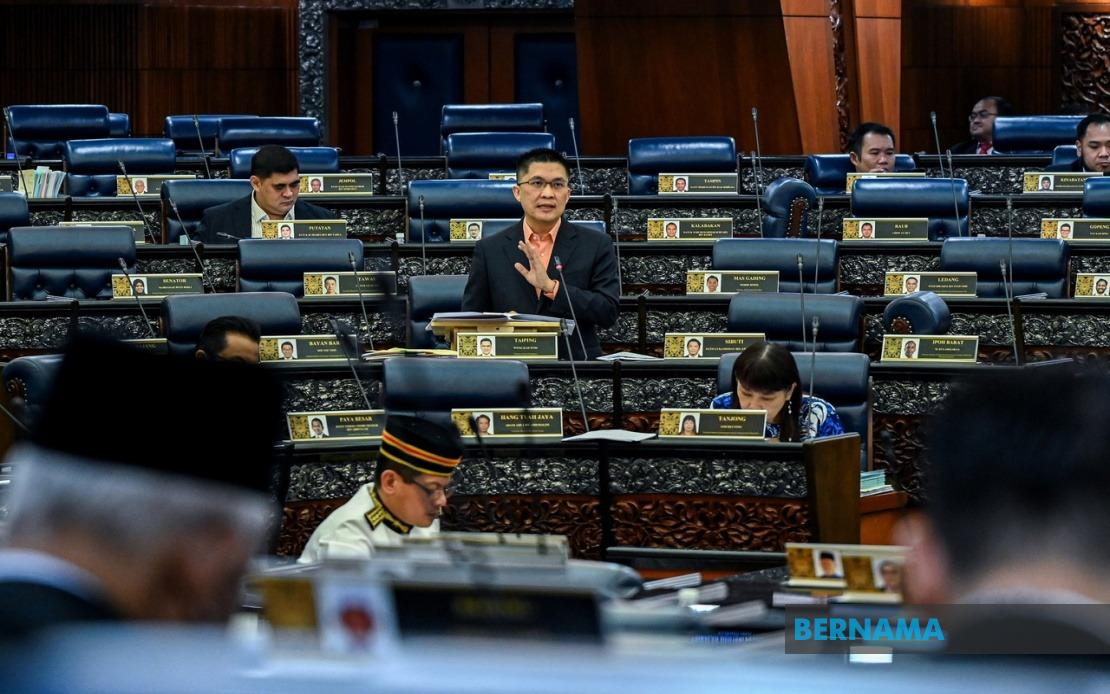
The Ministry of Education has positioned digital equity as a cornerstone of its Malaysia Education Blueprint (RPM) 2026-2035, recognising that connectivity gaps between urban and rural institutions remain a significant barrier to educational outcomes. Deputy Education Minister Wong Kah Woh outlined the government's commitment during parliamentary proceedings, emphasising that bridging this divide requires systematic upgrades to physical infrastructure alongside pedagogical innovation. The initiative reflects growing acknowledgement that education quality in Malaysia cannot advance equitably without addressing the foundational technology access that increasingly underpins modern learning.
Central to the ministry's approach is a mandate that every school, regardless of geography, will achieve high-speed internet connectivity tailored to local circumstances and technological feasibility. Rather than imposing a one-size-fits-all solution, the ministry recognises that rural areas may require different approaches—potentially including satellite connectivity or alternative broadband technologies—to overcome terrain and population density challenges. This flexibility signals maturation in policy thinking, moving beyond simplistic targets toward pragmatic implementation that accounts for Malaysia's diverse physical geography.
The Digital Educational Learning Initiative Malaysia platform, known as DELIMa, functions as the technological backbone for this initiative. By centralising digital learning materials accessible to both educators and students, the platform aims to democratise access to quality instructional content that previously may have been concentrated in better-resourced urban institutions. The comprehensive uploading of digital materials to this repository represents substantial groundwork, though success ultimately depends on reliable connectivity reaching classrooms where teachers and students can actually utilise these resources.
Parallel to infrastructure development, the ministry has established a Digital Competency Score framework designed to ensure all students attain at least intermediate proficiency in digital skills. This standardised measurement approach attempts to create accountability around learning outcomes rather than merely infrastructure provision. Understanding that digital literacy encompasses far more than device access, the framework addresses competencies ranging from basic computer operation to critical evaluation of online information—capabilities increasingly essential for employment and civic participation in knowledge economies.
Significantly, the ministry's commitment to equitable device distribution addresses the reality that infrastructure alone proves insufficient without corresponding access to hardware. Rural schools historically faced challenges acquiring computers and tablets at scale, creating situations where connectivity existed but usable devices did not. By systematising fair allocation of digital devices nationwide, the ministry tackles what development experts recognise as the "last-mile" problem in technology access—ensuring that policy intentions translate into tangible classroom reality.
Historical data supports optimism about sustained progress. Under the previous Malaysian Education Development Plan spanning 2013 to 2025, measurable gaps narrowed substantially. The average grade score differential between urban and rural students on the 2024 Sijil Pelajaran Malaysia examination declined by 26.23 per cent, suggesting that targeted interventions can produce results. Gender-based performance gaps contracted even more dramatically, declining 52.78 per cent, while socioeconomic disparities fell by 57.75 per cent. These reductions, though not elimination, demonstrate that intentional policy focus and resource allocation yield concrete improvements in educational equity.
The new blueprint seeks to consolidate and extend these gains through continued emphasis on infrastructure development and rehabilitation of deteriorating school facilities. The ministry's commitment to prioritising upgrades according to local needs rather than centralised dictates suggests an evolving understanding that effective educational policy requires consultation with communities and educators who understand specific constraints and opportunities within their contexts. Rural schools facing particular infrastructure deficits would theoretically receive priority for rehabilitation funds, though implementation transparency remains essential for public confidence.
Beyond connectivity and devices, the ministry recognises that teacher capacity represents another dimension of digital equity. The Digital Education Policy and supporting mechanisms aim to equip educators with confidence and competence in technology-enhanced pedagogy. Professional development resources integrated with DELIMa help teachers transition from traditional classroom practices toward blended or fully digital instruction where appropriate. Without such support, even well-equipped schools may underutilise available technology if educators lack preparation or ongoing guidance.
Teacher welfare initiatives introduced since 2023 complement digital strategy by reducing administrative burdens that consume instructional time. Streamlining record-keeping, eliminating overlapping documentation requirements, and lightening non-pedagogical workloads create space for educators to engage with digital teaching tools and professional development. This holistic approach recognises that technology implementation fails when teachers experience burnout or resource constraints that prevent meaningful adoption. By attending to workplace conditions alongside infrastructure, the ministry addresses systemic factors affecting educational quality.
For Malaysian regions and Southeast Asian observers, this blueprint holds significance as a case study in addressing digital divides within middle-income country contexts. Unlike wealthy nations with mature broadband infrastructure, Malaysia must prioritise limited resources strategically. Similarly, unlike poorer developing nations, Malaysia possesses technical capacity and fiscal resources to implement systematic solutions. The RPM 2026-2035 approach—combining hardware deployment, software platforms, connectivity investment, and teacher support—reflects lessons learned about what enables sustainable technology integration in education.
Implementation challenges remain substantial. Maintaining broadband quality and affordability across dispersed rural populations requires ongoing investment and technical expertise. Ensuring that DELIMa content remains current and pedagogically sound demands continued curriculum expertise and resource allocation. Teacher adoption of digital tools depends on sustained professional development that extends beyond initial training. Political continuity and budgetary commitment across electoral cycles will prove essential, given that educational transformation unfolds across years, not election cycles.
The ministry's explicit targeting of intermediate digital competency as baseline expectation reflects realistic standard-setting. Rather than pursuing elite digital proficiency, the framework focuses on functional capability enabling students to participate effectively in modern work environments and societies increasingly mediated by digital systems. This pragmatic approach acknowledges that different students will develop varying levels of advanced expertise, but foundational digital literacy should become universal.
As Malaysia progresses toward 2035, success in narrowing digital divides will partially determine whether overall educational improvements prove inclusive or concentrated among already-advantaged populations. The RPM blueprint signals commitment to the former through systematic infrastructure investment, equitable resource distribution, and attention to teacher capacity. Whether implementation translates aspirations into reality will require transparent progress monitoring, responsive adjustment when barriers emerge, and sustained political will transcending short-term electoral considerations.

