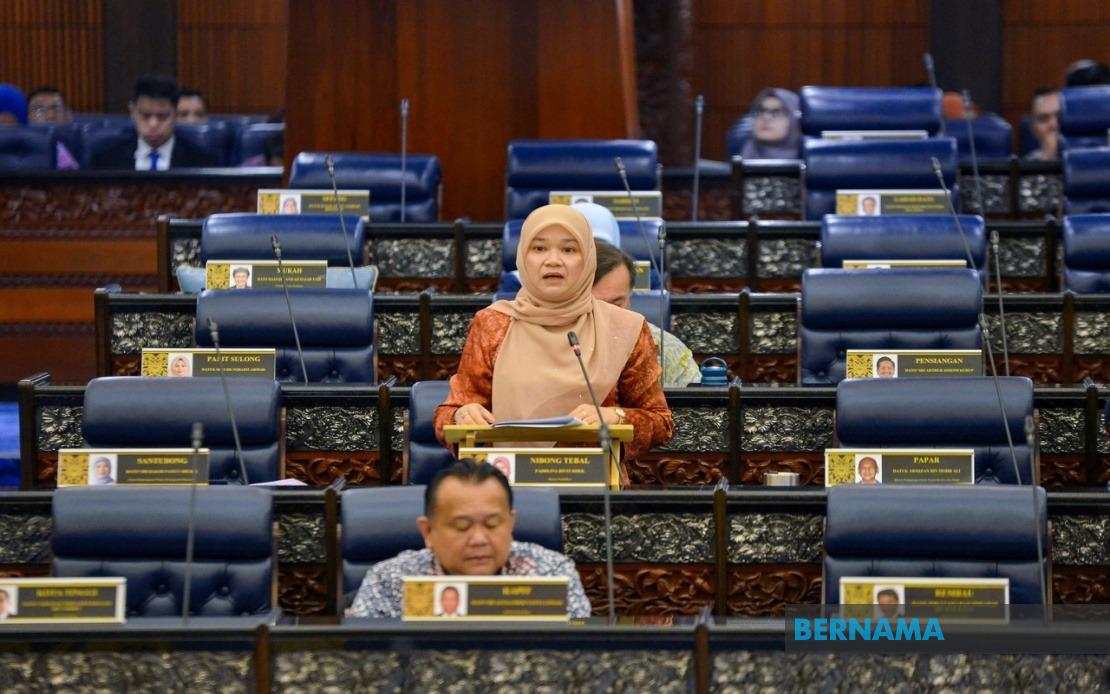
The Malaysian Ministry of Education is moving to overhaul its approach to student safety by implementing a more rigorous auditing system and establishing cross-agency monitoring mechanisms, Education Minister Fadhlina Sidek announced during parliamentary proceedings on July 2. The ministry recognises that each incident involving school safety demands individualised scrutiny, as the underlying factors often extend far beyond physical security concerns into the psychological and emotional wellbeing of young people.
Central to the MOE's refreshed strategy is the creation of a dedicated safety committee comprising representatives from multiple government agencies and organisations. This collaborative framework aims to ensure comprehensive coverage of all safety dimensions within educational institutions, ultimately fostering secure environments where students can learn without apprehension. The initiative represents a departure from siloed departmental approaches, instead leveraging the combined expertise and resources of stakeholders across the broader ecosystem.
The ministry has secured collaboration with the National Institute of Occupational Safety and Health, which will provide technical guidance and training to schools on critical infrastructure matters including building integrity, drainage systems, and fire safety protocols. This partnership ensures that schools receive professional assessment and support in addressing structural and environmental hazards that could jeopardise student wellbeing. Schools are being equipped with enhanced safety coordination capabilities at the institutional level through structured training programmes.
Two significant policy documents now anchor the MOE's safety agenda. The Safe School Management Guidelines and School Student Protection Policy, both launched on June 11, establish standardised frameworks that all educational institutions must reference when strengthening students' physical, social, and emotional security. These documents formalise best practices and create accountability mechanisms across the education system.
Bullying remains a pressing concern for Malaysian parents and educators, prompting the MOE to update its bullying case handling procedures in alignment with the Anti-Bullying Act 2026, which took effect on June 16. This legislative alignment ensures that school-level responses to bullying incidents comply with national legal standards while maintaining flexibility to address context-specific circumstances. The updated guidelines represent the ministry's commitment to tackling peer-to-peer harassment with greater consistency and rigour.
Infrastructure investment is progressing substantially to enhance physical security. The MOE plans to install CCTV systems in 333 schools during the current year, representing a significant expansion from 200 schools in 2025. This rollout demonstrates the government's commitment to surveillance-based prevention and evidence-gathering capabilities, enabling schools to document incidents and deter inappropriate conduct. However, the expansion also raises ongoing discussions about privacy protections and proportionality in monitoring student spaces.
Night-time supervision has been strengthened through the recruitment of 300 hostel wardens beginning April 1. For students living in residential facilities—common in rural and boarding school settings—evening and overnight periods present particular vulnerability. The appointment of dedicated wardens specifically tasked with monitoring students during these hours addresses a critical gap in supervision that previously left boarding students with inadequate oversight.
The ministry's framework rests on five foundational pillars: prevention, monitoring, reporting, intervention, and enforcement. This structured approach suggests a progression from proactive measures designed to prevent incidents, through detection and documentation systems, to responsive and corrective actions. The five-point framework provides schools with a coherent operational blueprint rather than ad-hoc responses to crises.
Responding to parliamentary concerns about parental anxiety regarding bullying, Fadhlina emphasised that case assessment would be comprehensive and multidisciplinary. Certified counsellors would be engaged to evaluate incidents from psychological and emotional perspectives, rather than limiting evaluation to disciplinary dimensions. The Parent-Teacher Association, parent-community-private sector partnerships, and relevant government agencies would collaborate to craft interventions suited to individual student needs.
For Southeast Asian regional context, Malaysia's overhaul of school safety protocols reflects broader challenges facing developing economies attempting to modernise educational infrastructure while addressing emerging social issues. The emphasis on multi-agency coordination mirrors approaches adopted by regional peers grappling with similar concerns about student welfare, bullying prevalence, and infrastructure gaps. The integration of occupational safety expertise into school management represents a technical innovation that other nations may study.
The timing of these measures, coinciding with the Anti-Bullying Act 2026 coming into force, suggests deliberate legislative and administrative alignment. Schools now operate within a clearer legal framework with supporting technical guidance and resource allocation, reducing ambiguity about acceptable responses to safety incidents. This combination of statutory obligations, operational guidelines, and infrastructure investment creates multiple reinforcing mechanisms for safety improvement.
Implementing these changes across Malaysia's diverse school system—spanning urban and rural contexts, government and private institutions, day schools and boarding facilities—presents substantial logistical and resource challenges. The MOE's approach of individualised incident assessment, while pedagogically sound, demands capacity building among school administrators and counsellors to ensure consistent, competent application nationwide. Success will depend on sustained funding, continuous staff training, and regular evaluation of outcomes rather than mere policy adoption.

