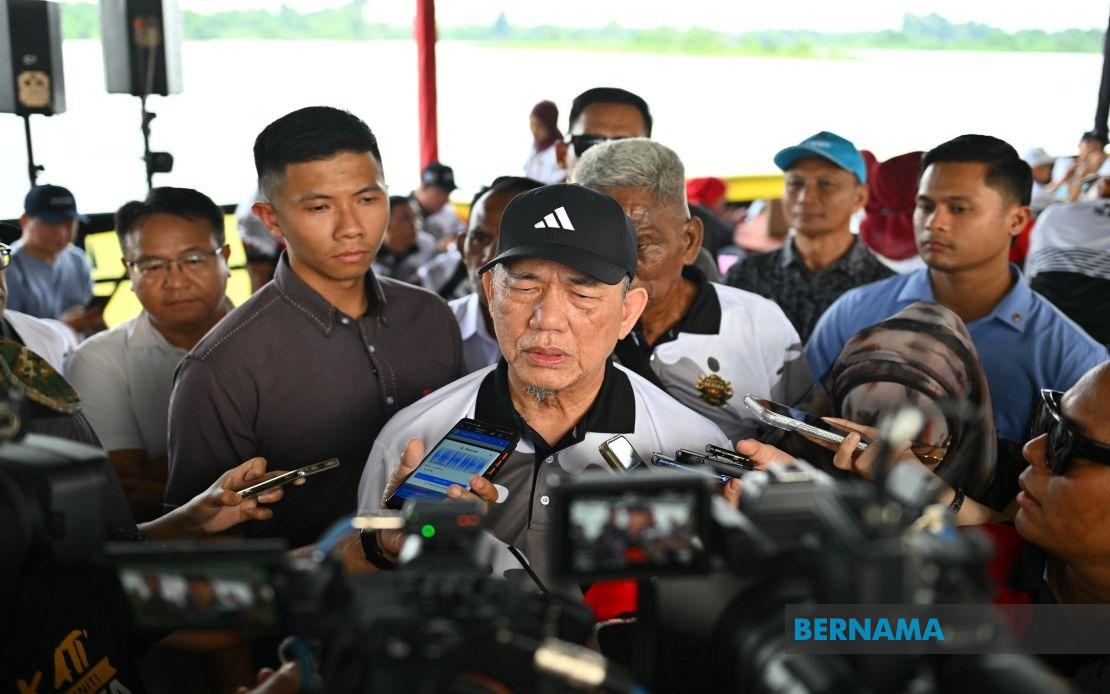
Malaysia's energy security remains intact despite escalating tensions in the Strait of Hormuz, according to Deputy Prime Minister Datuk Seri Fadillah Yusof, who emphasised that the government is maintaining constant surveillance of developments in the critical waterway. Speaking after the Regatta 2026 closing ceremony at Kampung Sejijak in Kuching on July 12, Fadillah stated that no disruptions to the country's fuel supply have materialised despite international concerns about the strategic chokepoint, which handles a significant portion of global maritime energy commerce.
The government's confidence in maintaining energy supplies stems from concerted diplomatic and commercial efforts at multiple levels, Fadillah explained. Petronas, Malaysia's national oil and gas company, has been working in coordination with Prime Minister Datuk Seri Anwar Ibrahim to engage in sustained negotiations aimed at preserving the nation's access to energy resources. This proactive approach reflects an understanding that in today's interconnected global energy markets, diplomatic relations and strategic partnerships are as important as physical supply chains in securing long-term energy stability.
As Energy Transition and Water Transformation Minister, Fadillah acknowledged the dual nature of Malaysia's energy challenge: while physical supply chains remain functional, the pricing environment presents a more complex problem that threatens broader economic stability. Global oil and gas markets remain subject to significant volatility driven by geopolitical events, speculative trading, and supply-demand fluctuations that are largely beyond the control of individual nations. This volatility introduces uncertainty into government budgeting and economic forecasting, complicating long-term strategic planning for a nation that depends on hydrocarbons for both domestic consumption and export revenue.
The minister's comments reflect a sophisticated understanding of energy security that extends beyond simple availability. For Malaysia, which remains dependent on oil and gas exports for foreign exchange earnings while also consuming substantial quantities domestically, price volatility presents particular challenges. A sharp spike in global crude prices could simultaneously benefit exporters in the short term while raising costs for manufacturers, transport operators, and consumers, creating inflationary pressures that ripple through the broader economy.
The Strait of Hormuz represents a critical nexus in global energy trade, with millions of barrels of oil transiting daily through its relatively narrow waters. Any significant disruption to shipping through this waterway would immediately affect energy prices worldwide and could threaten Malaysia's ability to source imported petroleum products at reasonable cost. The government's close monitoring of tensions in the region reflects awareness that events thousands of kilometres away can have immediate consequences for Malaysian households and businesses.
Fadillah identified the core tension facing the government: maintaining fiscal sustainability while simultaneously providing support and subsidies to ordinary Malaysians. Rising global energy prices create pressure on government finances through multiple channels, including higher costs for fuel subsidies, increased expenses for power generation, and reduced competitiveness for Malaysian energy exporters. These financial pressures make it increasingly difficult for the government to expand social programmes or maintain existing subsidy levels without widening budget deficits.
The multi-level negotiations referenced by the deputy minister likely involve both securing long-term energy supply contracts and positioning Malaysia favourably within evolving geopolitical alignments affecting Middle Eastern energy production and transport. Southeast Asia's geographic position between major energy producers in the Middle East and consuming nations in East Asia makes regional countries particularly vulnerable to disruptions affecting energy flows through the region.
Malaysia's domestic energy sector also faces structural transitions that compound the challenge of responding to external shocks. The government has committed to energy transition policies aimed at reducing carbon emissions and diversifying away from fossil fuels, yet this shift requires sustained investment in renewable energy infrastructure during a period when global energy prices create fiscal pressures. The tension between accelerating the energy transition and managing near-term supply security concerns remains evident in policy discussions.
For Malaysian consumers and businesses, the message is mixed. While the government projects confidence about physical energy availability, the caveat about pricing instability suggests that while petrol pumps will not run dry, fuel costs may continue fluctuating unpredictably based on international developments. This uncertainty complicates household budgeting and business investment planning, particularly for transport operators and energy-intensive manufacturers who face rising operational costs if global oil prices surge.
The government's emphasis on proactive negotiation and monitoring suggests an attempt to move beyond passive reliance on market forces. By engaging at multiple diplomatic levels and maintaining direct coordination between Petronas and the Prime Minister's office, Malaysia seeks to secure preferential access to energy supplies and potentially negotiate long-term price arrangements that provide greater stability than spot market purchases. Such strategic engagement reflects lessons learned from previous global energy crises and recognition that energy security depends as much on relationships and communications infrastructure as on geological reserves.
Looking forward, Malaysia's energy security framework will likely require continued balance between securing adequate physical supplies, managing price volatility impacts on government finances and consumer welfare, and advancing longer-term energy transition objectives. The Strait of Hormuz tensions serve as a reminder that Malaysia's energy security remains embedded within regional and global geopolitical dynamics that extend well beyond the nation's direct control, requiring sustained diplomatic attention and strategic foresight from policymakers.

