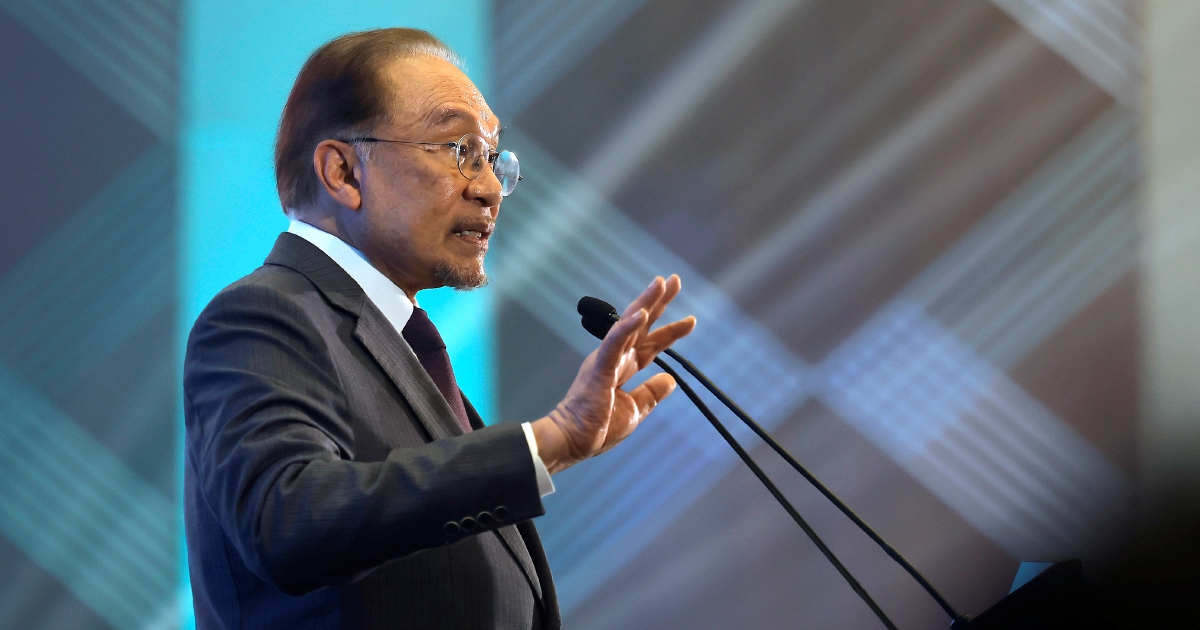
Prime Minister Datuk Seri Anwar Ibrahim has used Malaysia's return to the Formula 1 racing calendar as a benchmark for the nation's growing capacity to manage world-class sporting spectacles. The resumption of international grand prix racing at the Sepang International Circuit carries symbolic weight beyond the immediate sporting contest, signalling to the global community that Malaysia possesses both the infrastructure and operational expertise required to stage events of the highest international standards.
The Sepang International Circuit, located approximately 40 kilometres south of Kuala Lumpur, has long served as a showcase facility for Malaysia's ambitions on the global sporting stage. The venue underwent substantial upgrades and refinements to meet contemporary Formula 1 specifications and safety standards, reflecting the investment the nation continues to dedicate toward maintaining its position within the elite circle of grand prix venues. This commitment to infrastructure excellence demonstrates a broader national strategy of positioning Malaysia as a destination for high-profile international events that generate economic activity, tourism revenue, and global media attention.
For Malaysia, securing and maintaining a Formula 1 calendar slot carries implications that extend considerably beyond motorsport enthusiasts. The annual grand prix event draws tens of thousands of international visitors, generates substantial hospitality and service sector employment, and provides a sustained platform for Malaysian businesses to interface with global audiences. The visibility associated with Formula 1—broadcasted to an estimated global audience of hundreds of millions across multiple platforms—offers marketing value that would be prohibitively expensive to purchase through conventional advertising channels. From a national branding perspective, the presence on the Formula 1 calendar reinforces Malaysia's identity as a sophisticated, modern economy capable of executing complex logistical operations.
The prime minister's statement arrives at a strategic moment when Malaysia faces competitive pressures from neighbouring nations equally eager to attract marquee international events. Regional rivals have invested heavily in event infrastructure, including dedicated venues and supporting facilities designed specifically to appeal to event organisers evaluating potential host cities. By reaffirming Malaysia's commitment to the Formula 1 circuit, Anwar signalled that the nation remains competitive within this arena and continues to upgrade its capabilities to meet evolving international standards. The competitive dynamics of attracting and retaining premium sporting events have intensified across Southeast Asia, making continued investment in venues like Sepang essential for maintaining Malaysia's relative advantage.
Beyond the immediate circuit of Formula 1, the prime minister's comments contextualise Malaysia's broader event hosting ambitions. The nation has previously hosted or continues to pursue other significant international gatherings, from business conferences and trade exhibitions to sporting championships in various disciplines. Each successful event execution builds institutional knowledge and strengthens the track record that event organisers consider when evaluating potential hosts. A seamless Formula 1 operation demonstrates that Malaysia can coordinate the complex interdependencies involved in hosting events requiring international broadcasting infrastructure, sophisticated security protocols, crowd management systems, and multi-stakeholder coordination spanning government agencies, private sector partners, and international governing bodies.
The economic implications extend throughout Malaysia's service and hospitality sectors. Formula 1 race weekends catalyse demand for accommodation, food services, transportation, and entertainment across the greater Klang Valley region. Local businesses benefit from elevated consumer spending during the event period, while employment opportunities—both direct and indirect—emerge across multiple economic sectors. Hotels in proximity to the Sepang circuit typically operate at premium occupancy rates during race weekends, and the associated economic stimulus contributes measurably to quarterly economic indicators for Selangor and the broader Federal Territories region.
From an infrastructure perspective, hosting Formula 1 requires continuous improvements to circuit facilities, access roads, parking infrastructure, and public transportation connectivity. These investments, while undertaken specifically to meet Formula 1 requirements, generate secondary benefits that enhance regional transportation networks and service quality long after individual racing events conclude. The modernisation of approach roads, expanded parking facilities, and improved public transit connections serve not merely the grand prix but the general travelling public and other events subsequently hosted at the venue.
The return to Formula 1 also carries psychological significance for Malaysian motorsport development and talent nurturing. The presence of a grand prix event on home soil elevates the profile of motorsport within Malaysia, potentially inspiring younger generations to pursue careers within the sport and supporting the development of domestic racing talent. International drivers competing at Sepang gain familiarity with the circuit and Malaysian infrastructure, while Malaysian engineering and technical professionals gain exposure to global best practices within the sport.
Anwar's assertion about Malaysia's readiness warrants examination within the context of post-pandemic recovery and renewed competition for international events. Many nations have aggressively pursued event hosting as an economic stimulus and global visibility strategy in recent years. By positioning Malaysia as a reliable, capable host through successful Formula 1 execution, the government establishes a competitive foundation for pursuing additional major events across sporting, cultural, and commercial domains. The credibility earned through successful grand prix management translates into enhanced negotiating positions when bidding for other prestigious international gatherings.

