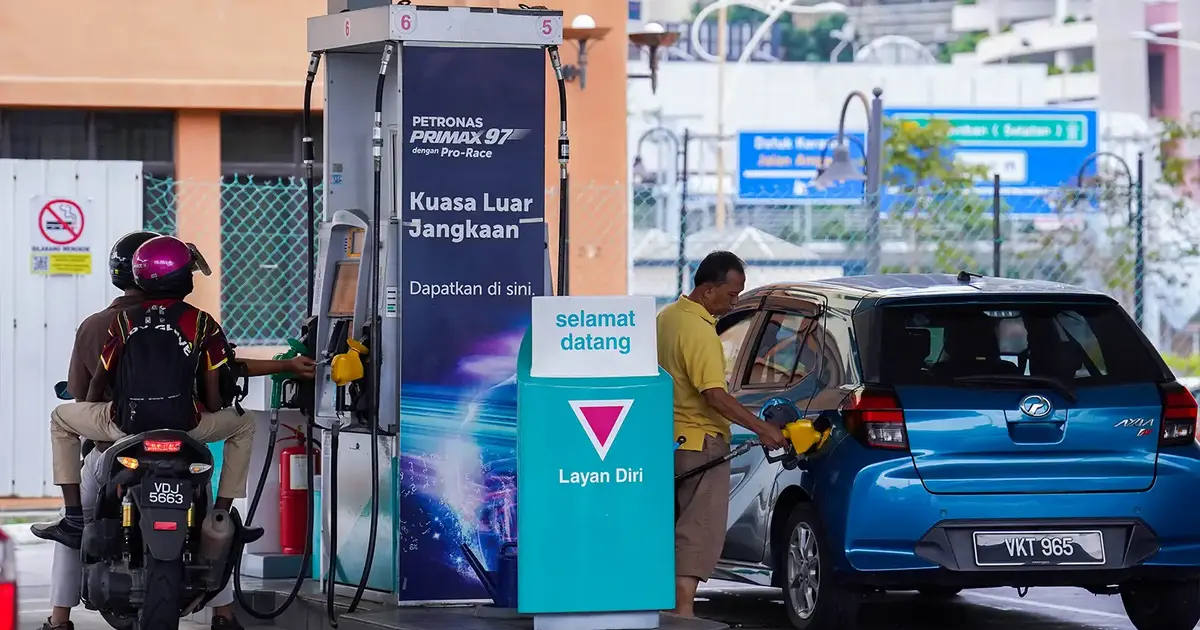
Malaysia faces a mounting fiscal challenge as fuel subsidies are expected to consume RM40 billion of government spending in 2026, reflecting the persistent burden these price controls place on the federal budget. Prime Minister Anwar Ibrahim has sought to calm public concerns by reiterating that the country's domestic petroleum supply remains secure and sufficient to meet ongoing demand across all sectors of the economy.
The projected subsidy expenditure represents a significant line item in the national budget and underscores the complex balance the government must strike between protecting household purchasing power through cheap fuel and maintaining fiscal discipline. The sheer magnitude of the figure illustrates why fuel subsidies have become one of the most contentious economic policy debates in Malaysia, with economists frequently calling for gradual subsidy reform to free up resources for other pressing needs.
Prime Minister Anwar's emphasis on supply stability is particularly relevant given the uncertainties surrounding global oil markets and the Middle East geopolitical tensions that periodically disrupt international energy trade. By publicly confirming adequate reserves and continued production capacity, the government seeks to reassure both consumers and investors that fuel availability will not constrain economic activity or household consumption. This messaging is crucial for maintaining confidence in Malaysia's energy security architecture.
The fuel subsidy system, which has been in place for decades, effectively caps domestic petrol and diesel prices at levels substantially below international market rates. This mechanism protects lower and middle-income households from price shocks but requires continuous government transfers to compensate fuel retailers and refiners for their margin losses. The annual cost has fluctuated dramatically based on crude oil prices, making budgetary planning extraordinarily difficult.
Economic observers across the region watch Malaysia's subsidy policies closely, as the country remains one of Asia's few remaining major subsidisers of fuel retail prices. Neighbouring nations like Indonesia have undertaken more aggressive subsidy reforms in recent years, partly to address fiscal pressures and redirect spending toward infrastructure and social programmes. The comparison often prompts Malaysian policymakers to defend their more cautious approach as necessary for maintaining social stability.
The RM40 billion projection assumes certain assumptions about international oil prices, demand patterns, and exchange rate movements. Should crude prices surge unexpectedly or the ringgit depreciate sharply, actual subsidy costs could exceed government forecasts, creating additional pressure on an already stretched budget. Conversely, lower oil prices would reduce the fiscal burden, though such scenarios remain uncertain given volatile global conditions.
Beyond the immediate budgetary impact, sustained high fuel subsidies influence Malaysia's broader economic priorities and development trajectory. Resources allocated to fuel price support cannot simultaneously fund education expansion, healthcare improvements, infrastructure modernisation, or poverty alleviation programmes. This opportunity cost is frequently highlighted by fiscal policy analysts when debating whether current subsidy levels serve the national interest.
The government's commitment to maintaining petroleum supply security reflects Malaysia's dual role as both a significant oil and gas producer and a fuel consumer nation. As the economy expands and vehicle ownership increases, domestic demand continues rising, requiring the state-owned Petronas to balance domestic supply obligations against export revenues. The messaging from the Prime Minister suggests confidence that production capacity and reserves can accommodate projected consumption without supply disruptions.
Government officials have periodically discussed subsidy reforms that would reduce fiscal pressure, though implementation remains politically sensitive given public opposition to fuel price increases. Gradual adjustment mechanisms, targeted voucher schemes, and improved public transport infrastructure have been proposed as alternatives that might achieve fiscal savings while protecting vulnerable populations. However, translating these concepts into actual policy remains elusive.
The RM40 billion subsidy projection forms part of broader government financial planning and reflects assumptions embedded in medium-term fiscal frameworks. This forecast visibility allows businesses and households to anticipate policy trajectories, though actual outcomes depend on numerous external variables beyond government control. The scale of the commitment illustrates why fuel subsidy reform, while economically logical, remains politically daunting for any Malaysian administration.
Looking ahead, Malaysia's subsidy trajectory will partly depend on whether crude oil prices stabilise at lower levels or resume an upward march, as well as on domestic economic growth and fuel consumption patterns. The government's dual emphasis on supply adequacy and fiscal responsibility suggests a leadership intent on maintaining the current subsidy framework despite its escalating costs, at least in the near term. For Malaysian consumers and the broader region watching energy policy developments, these dynamics will remain critical economic considerations influencing living standards and development priorities.

