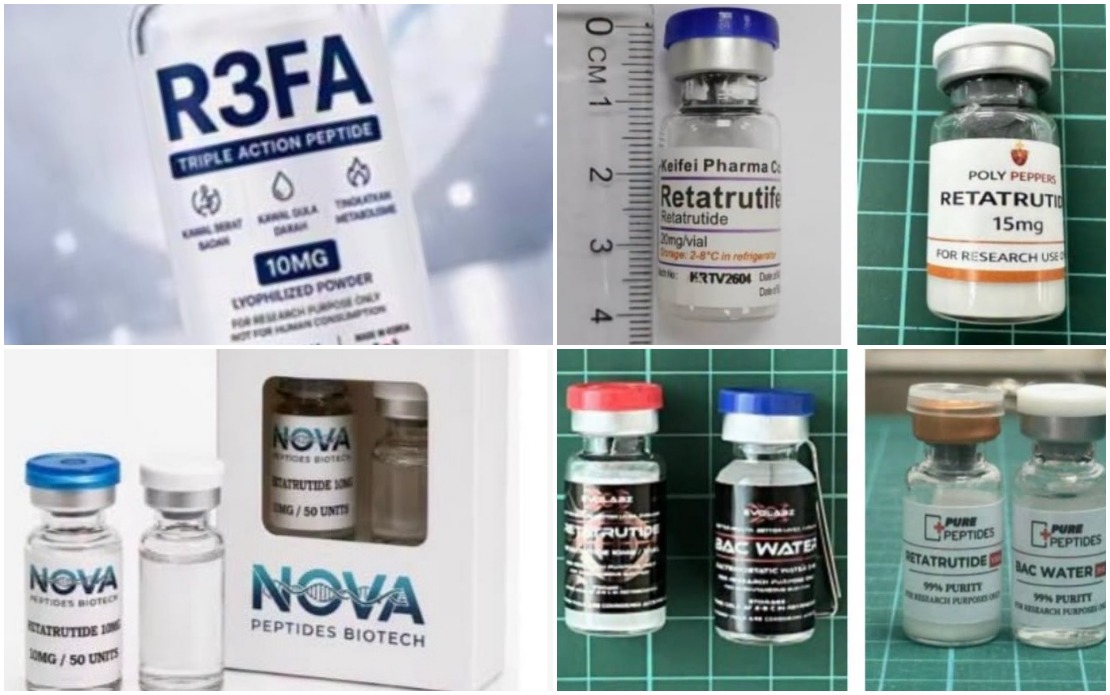
The Ministry of Health has escalated its public health campaign against the proliferation of unregistered weight-loss injection products circulating through online channels and illicit distribution networks across Malaysia. In a statement issued from its headquarters in Putrajaya on August 28, the ministry specifically cautioned consumers against purchasing or using so-called 'weight-loss pens' purported to contain Retatrutide, emphasising that no pharmaceutical product incorporating this substance has obtained regulatory approval for use within the country. This warning reflects deepening concerns about the uncontrolled online trade in injectable medicines that operate entirely outside Malaysia's established healthcare and pharmaceutical oversight framework.
Retatrutide remains classified as an investigational pharmaceutical compound, currently navigating Phase 3 clinical trials in its development pathway. Critically, as of August 17, 2026, the Drug Control Authority has registered zero products containing this substance for legitimate use in Malaysia. More significantly, no regulatory authority anywhere in the world has granted marketing approval to any Retatrutide-based medication, meaning consumers purchasing these products are essentially participating in unauthorised human experimentation with an unproven substance. This distinction carries profound implications, as it means purchasers have no guarantee of product safety, efficacy, or even the actual composition of what they are receiving.
The Ministry identified the direct-to-consumer online sale of weight-loss medications as an escalating public health concern requiring immediate intervention. These transactions typically bypass fundamental safeguards including medical evaluation, prescription requirements, and clinical monitoring by qualified healthcare providers. The absence of professional oversight creates a dangerous vacuum where individuals self-diagnose weight conditions, self-administer injectable medicines, and manage any resulting complications without medical guidance. This pattern of uncontrolled access to pharmaceutical products represents a significant departure from established medical practice protocols designed to protect patient safety.
The potential for serious adverse health consequences extends beyond immediate injection complications. Without proper medical assessment and ongoing monitoring, users remain unable to identify emerging side effects or dangerous interactions with existing medical conditions or other medications they may be taking. The window for rapid intervention narrows dangerously when complications develop silently without professional oversight. Should severe reactions occur, delayed recognition and treatment can transform manageable concerns into life-threatening emergencies, particularly if organ damage or systemic reactions develop.
Enforcement data reveals the scale of this underground market activity. Between January and July 2026, the Pharmacy Enforcement Division received 65 separate complaints and executed 30 enforcement raids specifically targeting weight-loss product distribution. Of these operations, 17 focused on online sales channels, demonstrating that illegal merchants have increasingly shifted their operations to digital platforms offering relative anonymity and geographic reach. These raids yielded confiscated products valued at RM477,142, suggesting a substantial economic operation supporting the illegal trade in unapproved weight medications.
Broader enforcement metrics underscore the pervasive nature of online marketing for unauthorised weight-loss remedies. Throughout 2026, the ministry's teams identified and removed 209 weight-loss product advertisements from e-commerce platforms, specifically including those falsely claiming Retatrutide content. Beyond e-commerce environments, enforcement staff screened, identified, and processed action against 1,243 advertisements across diverse media channels promoting these products. This scale of marketing activity indicates sophisticated distribution networks with significant resources dedicated to reaching potential consumers through multiple digital touchpoints.
The regulatory framework protecting Malaysian consumers provides multiple verification mechanisms. Individuals contemplating weight-loss product purchases can independently verify registration status through the Product Search function on the National Pharmaceutical Regulatory Agency website, enabling real-time confirmation of regulatory approval. For products displaying the security hologram commonly used on legitimate Malaysian pharmaceuticals, authenticity can be validated through the FarmaChecker feature integrated into the MyUBAT mobile application. These tools empower consumers with technology-enabled verification options accessible directly through their smartphones.
Legal consequences for violations carry substantial financial penalties designed to deter participation in this illegal trade. The Sale of Drugs Act 1952 and its implementing regulations establish that selling unregistered medicines constitutes a specific criminal offence. First-time violators face fines reaching RM50,000, while repeat offenders encounter dramatically escalated penalties of up to RM100,000. These graduated sanctions aim to create economic disincentives sufficiently powerful to discourage individuals and organised networks from engaging in pharmaceutical trafficking.
From a regional public health perspective, Malaysia's experience with unregistered weight-loss injection products reflects broader Southeast Asian challenges. The rapid growth of cross-border e-commerce, combined with consumers' enthusiasm for weight management solutions and relatively limited digital literacy regarding pharmaceutical verification, has created fertile ground for illicit pharmaceutical markets throughout the region. Malaysia's structured enforcement response and transparent communication strategy offer instructive lessons for neighbouring countries facing similar pressures. The emphasis on consumer education and accessible verification tools rather than prosecution alone suggests a balanced public health approach recognising that demand reduction requires both supply-side enforcement and demand-side empowerment through information access.
The underlying demand for weight-loss medications reflects genuine health concerns and widespread body image pressures operating across Malaysian society and Southeast Asia more broadly. Legitimate pharmaceutical options for weight management exist within Malaysia's regulated healthcare system, yet their availability, cost, and prescription requirements may not satisfy all consumers seeking rapid results. The proliferation of illicit alternatives paradoxically indicates potential gaps in legitimate pharmaceutical access, pricing, or awareness that organised illegal distributors deliberately exploit. Addressing this phenomenon sustainably requires parallel attention to expanding access to approved weight management therapies alongside enforcement against unauthorised alternatives.

