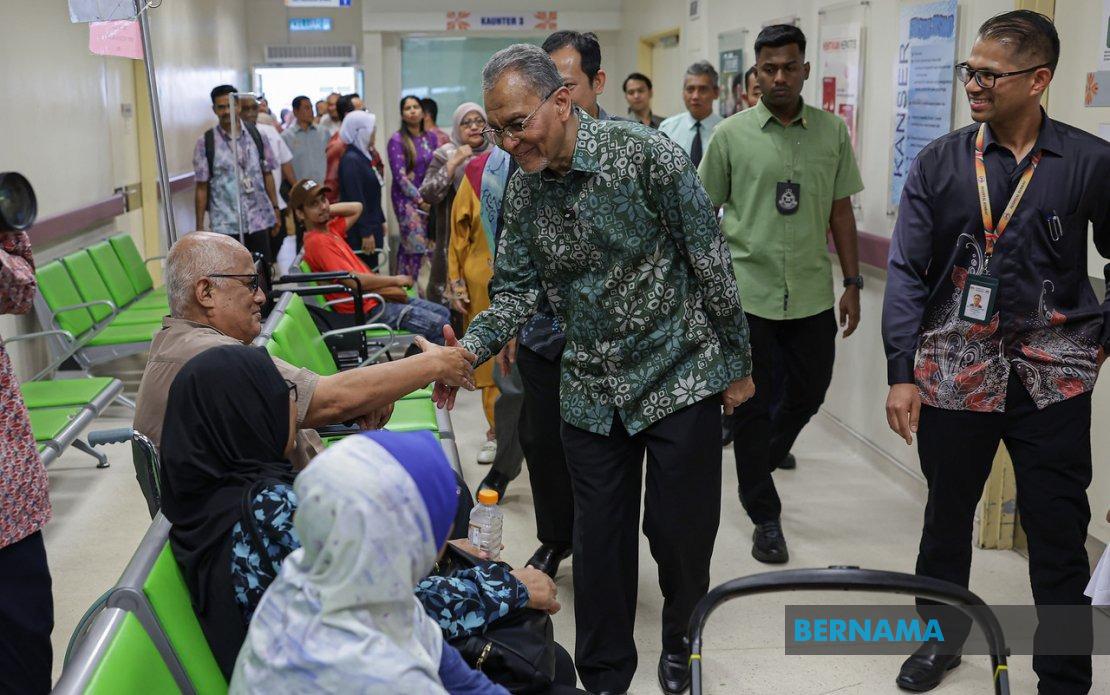
Malaysia's push to address employee mental wellness in the workplace is entering a critical phase, with the Ministry of Health targeting completion of a comprehensive policy framework by the final quarter of this year. Health Minister Datuk Seri Dr Dzulkefly Ahmad confirmed the timeline during an event in Rembau, emphasizing that the ministry needs sufficient time to conduct meaningful engagement with key institutional partners before finalizing the policy details.
The initiative reflects growing recognition across Southeast Asia of the mental health crisis emerging in workplaces as economic pressures, digitalization, and pandemic-related disruptions take their toll on employee wellbeing. The MOH's collaborative approach involves the Ministry of Human Resources, the Department of Occupational Safety and Health, the Malaysian Employers Federation, and the Malaysian Trades Union Congress—a coalition spanning government, workplace safety regulators, and both employer and worker representatives. This tripartite structure acknowledges that effective workplace mental health solutions require buy-in and practical input from all stakeholders who shape working conditions.
The proposed policy extends beyond surface-level interventions, specifically addressing suggestions that the framework should encompass more than basic counseling services. Dzulkefly indicated the ministry plans to tackle structural workplace factors including work-life balance, employee support mechanisms, burnout prevention, and workload management. This comprehensive approach aligns with international best practices, which recognize that mental health cannot be divorced from the fundamental conditions under which people work. By framing the issue as systemic rather than individual, the policy acknowledges that employee distress often stems from organizational factors rather than personal failings.
The emphasis on creating safe and harmonious working environments connects to Malaysia's commitment to the United Nations Sustainable Development Goals, positioning workplace mental health as part of the broader development agenda. This framing carries implications for corporate social responsibility standards and how Malaysian companies measure organizational success beyond purely financial metrics. Businesses will increasingly face expectations to demonstrate measurable improvements in employee mental wellbeing as indicators of responsible corporate governance.
The policy's development occurs against a backdrop of rising mental health challenges documented across Asia-Pacific economies. Malaysian workers face particular pressures from competitive labor markets, rising cost of living, and rapid technological change in industries. A formal government policy sends a signal that workplace mental health is no longer peripheral to occupational health and safety discourse but central to it. This shift could reshape how Malaysian employers allocate resources, design job structures, and evaluate management performance.
The consultation period stretching into September or October provides opportunities for diverse stakeholder voices to shape the final framework. Employers will advocate for practical implementation pathways that don't impose excessive compliance burdens, while unions will push for protective mechanisms ensuring employers cannot use mental health policies as cover for avoiding structural workplace improvements. DOSH's involvement signals integration with occupational safety regulations, potentially creating enforceable standards rather than voluntary guidelines. This institutional anchoring strengthens the likelihood that the policy will produce tangible changes rather than remain aspirational.
Beyond the mental health initiative, Dr Dzulkefly outlined complementary healthcare infrastructure improvements through the cluster hospital concept. This model leverages specialist expertise from leading medical centers to serve patients across a broader network of facilities, addressing Malaysia's healthcare geography challenges. Under this arrangement, non-specialist hospitals in smaller towns and rural areas gain access to specialist consultations and services without requiring duplication of expensive facilities or specialist recruitment. The approach recognizes that healthcare equity requires creative service delivery models beyond traditional hospital hierarchies.
The staged upgrading of non-specialist hospitals to incorporate selected specialist services addresses persistent disparities in healthcare access between urban and rural Malaysia. Rather than building entirely new facilities, the MOH plans targeted capacity development in high-demand specialties including pediatrics, obstetrics and gynecology, ophthalmology, and ear, nose and throat medicine. This strategy acknowledges fiscal realities while maximizing impact through efficient resource allocation. By strengthening primary healthcare systems in parallel, the ministry aims to create a cohesive network rather than isolated pockets of excellence.
The cluster hospital model carries particular relevance for Southeast Asian nations grappling with unequal healthcare distribution. Malaysia's approach offers a replicable template for other regional governments seeking to improve rural healthcare without prohibitive capital expenditure. Implementation success will depend on telecommunications infrastructure supporting specialist consultations, training programs for non-specialist facility staff, and transparent referral pathways that patient communities understand and trust.
These parallel initiatives—the mental health policy and service restructuring—reflect a maturing healthcare philosophy recognizing that system effectiveness requires attention to both occupational factors affecting population health and the organizational models delivering care. For Malaysian workers and employers, the emerging workplace mental health framework may eventually establish new baseline expectations for employment standards. Regional businesses operating across multiple Southeast Asian jurisdictions will monitor how Malaysia's policy development influences neighboring countries' regulatory trajectories.

