The Malaysian Health Ministry has moved into its closing phase of tackling systemic obstacles that have long constrained the pipeline for training medical specialists, Health Minister Datuk Seri Dr Dzulkefly Ahmad revealed this week in Putrajaya. The admission comes against mounting pressure from healthcare professionals and administrators grappling with a documented deficit of roughly 11,000 specialists nationwide—a figure that encompasses both the public healthcare system and private medical practice. The shortage represents one of the most pressing challenges facing Malaysia's healthcare infrastructure as population growth and increasing disease prevalence place unprecedented strain on existing medical facilities and their staffing capacity.
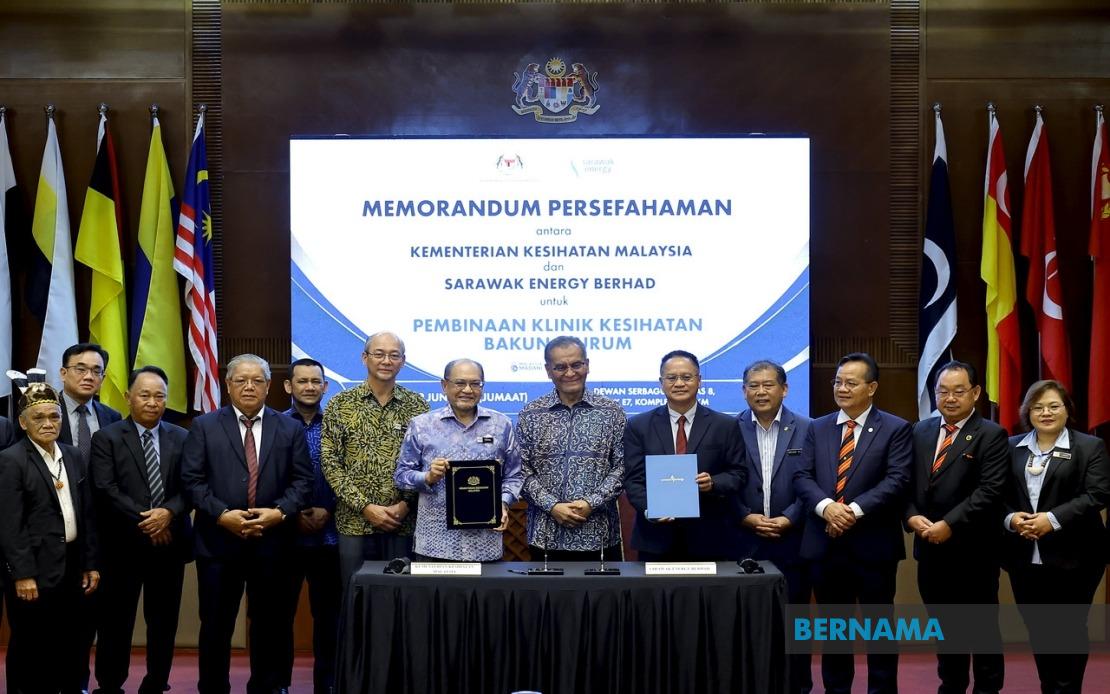
Dr Dzulkefly acknowledged that bureaucratic impediments have created tangible difficulties for aspiring specialists and for the ministry's attempts to expand the workforce. However, he indicated confidence that the most obstinate regulatory and administrative hurdles would soon be cleared. "Yes, I am aware there may be bureaucratic constraints, but all these issues will be addressed. We are now in the final stages of ensuring that we can overcome them," the minister stated during a press conference held alongside the signing of a health facility memorandum of understanding with Sarawak Energy. His remarks suggest a recognition that the specialist shortage stems not merely from training capacity deficits, but from complex administrative structures that have slowed the progression of qualified medical professionals through specialisation pathways.
The broader context for Malaysia's specialist crisis reflects a strategic challenge in healthcare workforce planning. Rather than attempting to rapidly inflate specialist numbers through emergency measures, the ministry has adopted a methodical approach that ties specialist recruitment and training directly to infrastructure expansion. Dr Dzulkefly emphasised this synchronisation, explaining that introducing more specialists without corresponding investment in hospital facilities, diagnostic equipment, and support systems would create inefficiencies and waste. This perspective, while administratively prudent, also means that addressing the 11,000-specialist shortfall will necessarily occur across multiple years, not months. The phased expansion recognises current healthcare needs and priorities, with specialist development aligned to match the opening and upgrading of medical facilities throughout the country.
To bridge the gap between current capacity and future needs, the Health Ministry has implemented what it terms a "cluster crisis management system" as an intermediate framework. This approach operationalises flexibility within existing hospital networks by encouraging collaborative resource-sharing among facilities within geographic clusters. Rather than maintaining rigid hierarchies where specialists remain stationed at single hospitals, the cluster model permits redeployment of personnel to address acute shortages or emergencies across multiple institutions serving the same population basin. This tactic has roots in healthcare crisis management literature and reflects lessons learned from previous periods of workforce stress in Malaysian healthcare.
The cluster system also encompasses closer coordination between hospital-based services and primary health clinics, effectively creating a more integrated healthcare network. By strategically repositioning doctors, nurses, and support staff according to operational demands, the ministry aims to maximise the utility of existing human resources. This restructuring requires substantial planning and coordination but theoretically allows hospitals to concentrate specialists in areas of highest demand while maintaining baseline services across the broader network. The approach effectively treats the healthcare system as an interconnected whole rather than as isolated facilities, a paradigm shift that has gained traction internationally but has faced implementation challenges in Malaysia's historically fragmented healthcare infrastructure.
The specialist shortage confronts Malaysia with long-term implications for healthcare system sustainability and public health outcomes. Many Southeast Asian nations face similar workforce constraints, making Malaysia's approach to reform potentially instructive for regional peers. Thailand, the Philippines, and Indonesia all grapple with inadequate specialist numbers in their public systems, yet have experimented with different solutions ranging from enhanced medical education capacity to overseas recruitment programmes. Malaysia's decision to emphasise infrastructure-specialist alignment rather than pursuing aggressive international recruitment suggests a preference for building domestic capacity, which carries advantages in sustainability and cultural continuity but requires patience.
The bureaucratic obstacles that have complicated specialist training likely involve licensing procedures, accreditation requirements, fellowship programme structures, and regulatory frameworks that govern medical education. These systems typically evolved incrementally and may not have been designed for the current scale and speed of healthcare expansion. Updating them involves coordinating across multiple stakeholder groups—medical schools, specialist colleges, hospital administrators, and regulatory bodies—which explains why resolution has extended to the present moment and why the ministry describes itself as being in "final stages" of reform. The complexity underscores that healthcare workforce challenges are not purely clinical or educational matters, but fundamentally institutional and political.
Dr Dzulkefly's insistence that healthcare service continuity remains paramount throughout the reform process reflects awareness of public anxiety about healthcare access and quality. Workforce shortages have already manifested in extended waiting times, reduced service hours at some facilities, and heightened stress among medical professionals. Patients across Malaysia—particularly those dependent on public healthcare—have experienced these pressures directly. The cluster crisis management system thus serves both a practical and communicative function: it addresses immediate capacity constraints while signalling ministerial commitment to maintaining service standards during the period of structural reform. This messaging is crucial in maintaining public confidence in the healthcare system during a period of acknowledged strain.
For Malaysian healthcare workers themselves, the reform agenda carries mixed implications. Specialists and aspiring specialists will benefit from streamlined training pathways and clearer regulatory frameworks, potentially accelerating career progression for future cohorts. However, the phased approach to workforce expansion means that existing practitioners will likely continue experiencing the workload pressures that have characterised recent years. The cluster crisis management system, while operationally sensible, also implies continued flexibility and redeployment expectations for healthcare staff. The ministry's acknowledgement of "pressures faced by the workforce" suggests awareness of these tensions, though it remains unclear whether compensation adjustments or structural changes to working conditions will accompany the administrative reforms.
The specialist shortage also intersects with Malaysia's broader public health priorities, particularly the rising burden of chronic diseases. Specialists in cardiology, oncology, endocrinology, and other fields treating lifestyle-related conditions are particularly in demand as diabetes, hypertension, and cancer incidence continue climbing nationwide. The geographically uneven distribution of specialists—with concentrations in Kuala Lumpur and other major urban areas—means that citizens in smaller towns and rural regions often lack convenient access to specialised care. The infrastructure-synchronised approach to specialist expansion offers an opportunity to distribute new specialist positions with explicit attention to geographic equity, potentially addressing regional healthcare disparities that have long characterised the Malaysian system.
Looking forward, the success of the ministry's reform initiative will depend on translating identified bureaucratic problems into concrete legislative or regulatory changes and following through on timelines for specialist training expansion. International experience suggests that healthcare workforce reforms often encounter implementation delays and unexpected obstacles even when administrative commitment exists. The ministry's stated timeline of "final stages" warrants close monitoring to ensure that promised reforms materialise and that specialist numbers begin increasing visibly within the next two to three years. For Malaysian patients and healthcare professionals alike, the resolution of these bureaucratic constraints represents the essential precondition for building a medical specialist workforce adequate to the nation's health needs in the coming decade.


%22%2F%3E%3C%2Fpattern%3E%3C%2Fdefs%3E%3Crect%20width%3D%22100%25%22%20height%3D%22100%25%22%20fill%3D%22url(%23ph1c9dhg)%22%2F%3E%3Crect%20width%3D%22100%25%22%20height%3D%22100%25%22%20fill%3D%22url(%23ph1c9dhp)%22%2F%3E%3Ctext%20x%3D%2250%25%22%20y%3D%2250%25%22%20text-anchor%3D%22middle%22%20dominant-baseline%3D%22central%22%20fill%3D%22rgba(255%2C255%2C255%2C0.95)%22%20font-family%3D%22Georgia%2C%20'Times%20New%20Roman'%2C%20serif%22%20font-weight%3D%22700%22%20font-size%3D%22194%22%20letter-spacing%3D%22-0.02em%22%3EGerakan%3C%2Ftext%3E%3C%2Fsvg%3E)