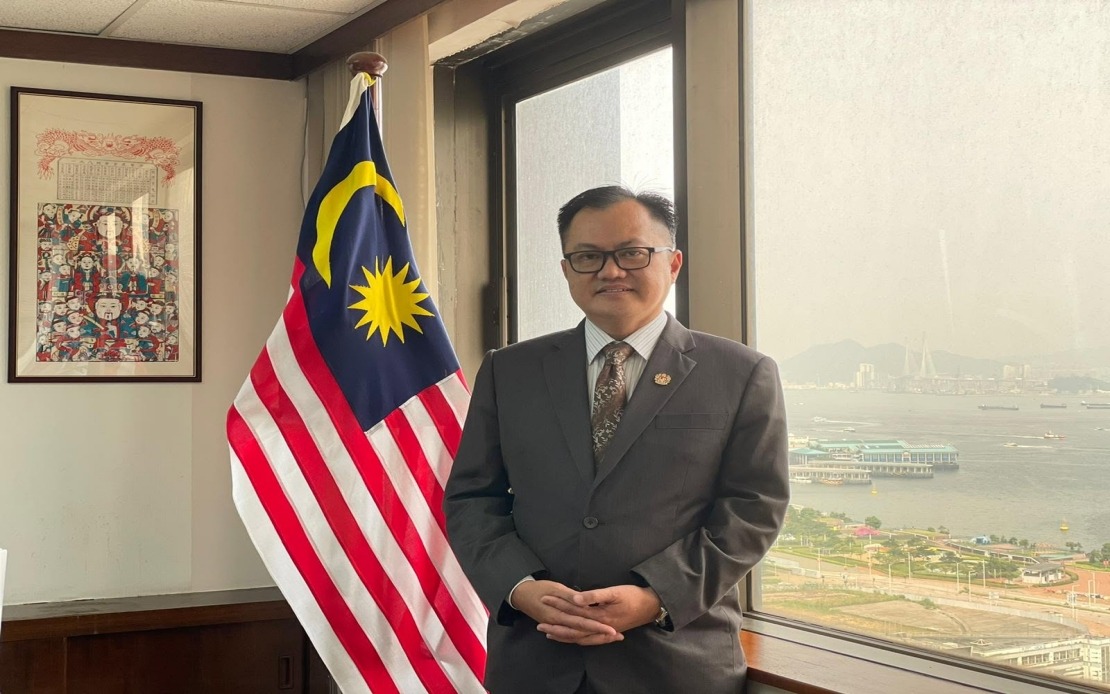
The Consulate General of Malaysia in Hong Kong has pushed back against suggestions that Malaysian expatriates faced barriers to participating in the recent Johor state election, asserting that it executed a comprehensive information campaign specifically designed to support overseas voters. Consul General Muzambli Markam mounted the defence in response to a South China Morning Post article that characterised overseas Malaysians as disadvantaged by limited awareness of voting procedures and tight registration deadlines. The diplomatic mission emphasised that it had deployed multiple channels to reach the diaspora community, working in tandem with local organisations to ensure potential voters received timely guidance on the electoral process.
The consulate's response zeroes in on what it characterises as incomplete media coverage that failed to capture the full scope of promotional activities undertaken during the campaign period. According to Markam, the mission had consistently published advisories and instructional materials across official channels, creating multiple touchpoints for overseas Malaysians seeking information about registration opportunities. Beyond independent effort, the consulate said it had strengthened coordination with the Malaysian Association of Hong Kong to amplify messaging about registration windows, extending the reach of voter information into established community networks. This partnership approach reflects a broader diplomatic strategy of leveraging trusted local organisations to bridge communication gaps between government institutions and diaspora populations.
A significant dimension of the dispute centres on terminology and framing rather than substantive facts about accessibility. The consulate argued that the SCMP headline—suggesting overseas Malaysians were "locked out" of state elections—mischaracterised both the factual situation and the collective efforts of Malaysian electoral authorities and diplomatic missions. By employing language implying systemic exclusion, Markam suggested, the article glossed over genuine progress in modernising how overseas citizens participate in domestic elections. The consul general noted that the publication had been briefed in advance about the consulate's proactive strategy yet opted for a narrative emphasising obstacles rather than acknowledging the infrastructure supporting electoral participation.
The response also addresses a specific criticism that the consulate lacked detailed local voter statistics, which the SCMP framed as evidence of administrative weakness. Rather than accepting this characterisation, Markam reframed the absence of such data as an intentional design choice reflecting modern best practices in electoral administration. He explained that the Election Commission has shifted towards a digitalised system in which overseas Malaysians submit registration applications directly through the centralised MySPR online portal, eliminating the traditional intermediary role that consulates once played in this process. This architectural decision, the consul general maintained, represents enhancement rather than deterioration of the voter experience, as it streamlines procedures and strengthens security by reducing data touchpoints.
The modernisation of overseas voting registration reflects Malaysia's broader digital transformation agenda within electoral management. By moving away from paper-based processes and consulate-mediated submissions, the system theoretically reduces processing times and human error while creating an auditable trail of applications. For Malaysian citizens abroad, particularly those in major financial hubs like Hong Kong with significant professional expatriate communities, the direct-to-portal approach means they can initiate the registration process independently without coordinating through diplomatic missions. This shift aligns with international trends toward e-government services that enhance accessibility while maintaining procedural integrity.
However, the consulate's defence raises questions about the effectiveness of digital-first approaches for populations with varying levels of technological literacy and awareness. While the MySPR portal may function efficiently for digitally native users, expatriates unfamiliar with Malaysian government systems or those without stable internet access might still benefit from consulate guidance. The distinction between the consulate deliberately avoiding an intermediary role and the consulate being unable to assist is subtle but consequential. Critics might contend that while the consulate need not process applications, it could still provide enhanced user support or maintain readily accessible information about system navigation—activities that fall short of intermediation but go beyond publishing generic advisories.
The broader context of this dispute involves longstanding tensions over how democracies serve overseas citizens. Malaysia, like many nations, faces inherent trade-offs between maximising electoral participation and maintaining administrative efficiency. Expanding voting rights to diaspora populations, while democratically principled, introduces logistical complexity. The shift toward digital self-service systems represents one attempted resolution, but implementation matters enormously. If the MySPR portal is intuitive, well-publicised, and accompanied by sufficient technical support, it can democratise participation. If it is poorly designed or inadequately promoted, it may inadvertently erect new barriers disguised as modernisation.
For Malaysian expatriates in Hong Kong and across Southeast Asia's major financial centres, the Johor election cycle illustrates how electoral participation remains mediated by technological infrastructure, information access, and diplomatic capacity. Hong Kong hosts a substantial Malaysian professional community, including business executives, academics, and service sector workers, many of whom maintain political interests in their home state. Their participation in domestic elections, though geographically removed, represents an extension of citizenship and potentially strengthens democratic legitimacy by broadening the electoral base. Yet achieving this participation requires deliberate institutional effort to overcome distance, time zones, and the competing demands on expatriates' attention.
The consulate's invocation of the Malaysian Association of Hong Kong as a partner in voter outreach highlights how civil society organisations have become crucial intermediaries in transnational democratic processes. Community associations, ethnic organisations, and professional networks often possess greater cultural credibility and deeper social penetration than formal government channels. By engaging MAHK in information dissemination, the consulate potentially reached Malaysians through trusted local institutions rather than relying exclusively on official diplomatic communications, which expatriates may overlook amid busy professional lives. This collaborative model could serve as a template for other consulates navigating overseas voter engagement.
Looking forward, the Johor election dispute underscores the need for greater clarity about responsibility and expectations in overseas electoral administration. Should consulates actively campaign to boost participation, or merely facilitate participation for those independently motivated? Should governments treat overseas voters as a priority demographic or accept that lower participation among expatriates reflects rational choice rather than administrative failure? Malaysia, like other sending countries, must articulate and communicate a coherent philosophy about the role of diplomatic missions in sustaining democratic citizenship across borders. Without such clarity, future disagreements between media outlets, civil society, and government agencies appear inevitable as overseas diaspora communities grow and electoral competition intensifies.
The Malaysian government's response, as articulated through the Hong Kong Consulate, ultimately projects confidence in its digital electoral infrastructure and diplomatic engagement. Officials argue they have fulfilled their obligation to inform and facilitate without overstepping into coercion or dependency creation. Yet the SCMP article's resonance suggests that at least some segment of overseas Malaysians perceive real obstacles to participation. Reconciling these perspectives—neither dismissing genuine accessibility challenges nor accepting that barriers are insurmountable—requires ongoing dialogue between electoral authorities, diplomatic missions, diaspora organisations, and the media, all of whom shape narratives about who participates in Malaysian democracy and why.

