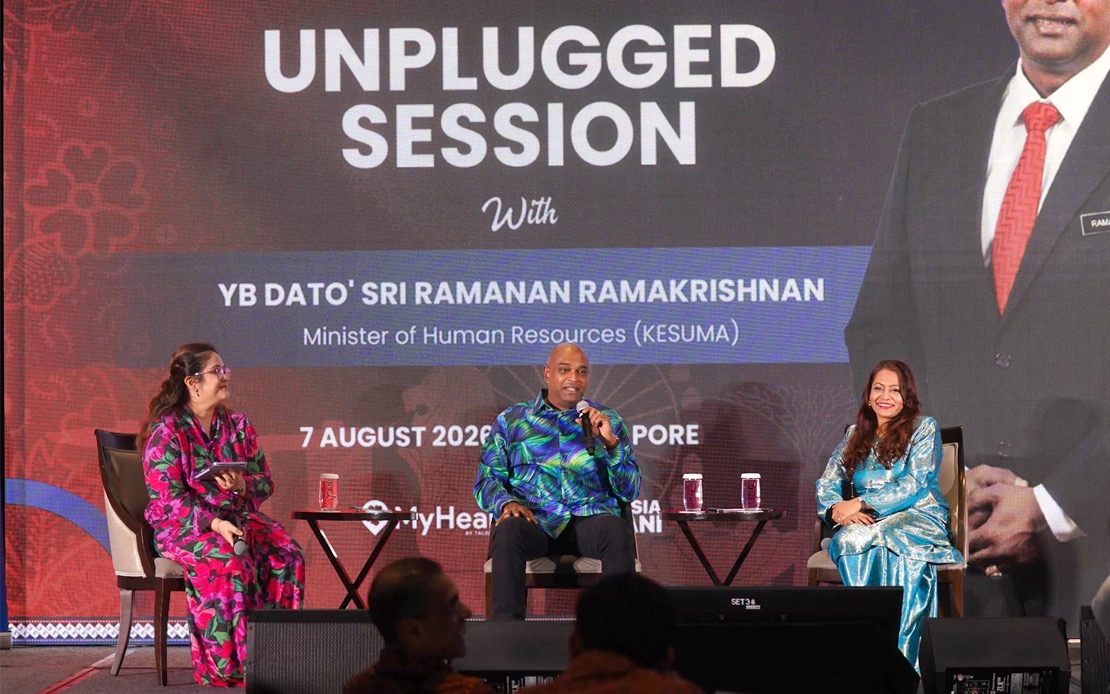
Malaysia is pursuing deeper vocational education ties with Singapore through a proposed student exchange initiative between the country's advanced technical colleges and the island nation's flagship skills training institution. During a working visit to Singapore's Institute of Technical Education (ITE), Human Resources Minister Datuk Seri Ramanan Ramakrishnan unveiled the proposal, which has already garnered positive reception from Singapore's technical education leadership. The initiative represents a strategic effort to internationalise Malaysia's technical and vocational education sector while positioning both nations' institutions at the forefront of regional skills development.
The proposal centres on creating structured exchange opportunities between Kolej Teknologi Termaju Jabatan Tenaga Manusia (ADTEC JTM) and ITE Singapore, extending beyond simple student mobility to encompass knowledge transfer and institutional best-practice sharing. According to Ramanan, the collaboration framework will eventually encompass multiple dimensions of cooperation, including direct student exchanges, collaborative learning experiences, and systematic sharing of technical training methodologies. Both institutions have signalled readiness to move forward, with Singapore's ITE delegation—including deputy chief executive officer Dr Goh Mong Song and other senior officials—engaging constructively on the mechanics of implementation. The involvement of ITE's Corporate and Development Division underscores the formal nature of discussions, suggesting that concrete timelines and programme structures are already under preliminary consideration.
The initiative reflects a broader recognition within Malaysia's human resources policy establishment that vocational education cannot thrive in isolation. Ramanan emphasised that TVET development demands sustained engagement with industry partners and international skills institutions, a principle that extends throughout Southeast Asia's rapidly evolving labour markets. By anchoring the exchange programme within this philosophy, Malaysia positions its technical colleges not merely as domestic training providers but as nodes within a regional knowledge network. For ADTEC JTM students, such exposure offers tangible benefits beyond classroom instruction—exposure to alternative pedagogical approaches, familiarity with different technological infrastructures, and peer networks spanning borders that may eventually translate into employment or further study opportunities.
The timing of this proposal reflects urgent pressures reshaping vocational education globally. Technological displacement, accelerating automation, artificial intelligence integration, and the emergence of entirely new job categories have created a perpetual curriculum crisis within TVET institutions. Ramanan's acknowledgement of these dynamics suggests Malaysia's education planners recognise that static training programmes become obsolete within years. By establishing mechanisms for regular dialogue with institutions like ITE Singapore—which operates within a developed economy subject to particularly intense technological change—Malaysian colleges can access real-time intelligence on emerging skill demands and adapt their training content accordingly.
Singapore's ITE system offers a particularly relevant reference point for Malaysian policymakers. The island nation's vocational education framework has consistently achieved strong outcomes in graduate employment, employer satisfaction, and alignment with labour market needs. ITE graduates typically transition smoothly into Singapore's knowledge economy, suggesting the institution's training models reflect genuine industry input and responsiveness to market signals. Exposure to these mechanisms could prove invaluable for ADTEC JTM, potentially informing curriculum design, teaching methodologies, and assessment frameworks across Malaysia's technical college network.
From a regional perspective, the initiative carries implications for ASEAN technical education integration more broadly. Malaysia and Singapore maintain the region's most developed economies and consequently face comparable—if not identical—technological challenges. A successful ADTEC JTM-ITE exchange programme could establish a template for similar collaborations among other ASEAN nations, gradually creating a more integrated regional approach to vocational skills development. Such integration becomes increasingly important as supply chains, labour mobility, and business operations transcend national borders throughout Southeast Asia.
For Malaysian students, the exchange programme promises tangible professional advantages. Exposure to Singapore's technical training environment—including its infrastructure, equipment, teaching approaches, and industry connections—broadens perspective beyond what domestic institutions alone can provide. Students gain networks extending into Singapore's developed economy, potentially opening pathways for employment, further study, or professional advancement. The cross-border experience itself cultivates adaptability and intercultural competence increasingly valued in regional business environments where teams routinely span multiple nationalities.
The proposal also signals ministerial commitment to elevating Malaysia's TVET sector within national development priorities. By personally engaging with international partners and publicly championing vocational education, Ramanan amplifies the message that technical and skills training merit parity with academic university pathways. This positioning proves particularly important in Malaysia's educational culture, where university credentials traditionally command greater social prestige than vocational qualifications. International collaboration and visible government endorsement help recalibrate these perceptions, encouraging students to view TVET as a pathway to genuine professional advancement rather than a secondary option.
Coordination mechanisms represent a critical next phase. KESUMA's commitment to working with relevant parties to formalise the programme's framework and scope suggests that administrative structures are already being contemplated. This process will likely involve detailed negotiations around student selection criteria, duration of exchanges, financial arrangements, accommodation, academic credit recognition, and supervisory responsibilities. Success depends partly on institutional capacity to manage these logistics effectively, particularly given the cross-border complexity and potential regulatory requirements governing student movement between Malaysia and Singapore.
The broader policy context reveals Malaysia's attempt to position itself as a serious regional competitor in vocational education quality. As regional economies compete for technical talent and attempt to establish themselves as hubs for skills training, collaborations like the proposed ADTEC JTM-ITE exchange become strategic assets. They signal to international investors, multinational employers, and regional institutions that Malaysia maintains credible technical education capabilities aligned with international standards. For students and their families, such signals carry real implications—they suggest that technical qualifications from Malaysian institutions retain genuine market value beyond domestic borders.
Implementation timelines remain unclear, but the ministerial support and positive reception from ITE Singapore suggest that detailed planning will likely commence within coming months. Early 2024 may see announcement of pilot programme details, including student cohort sizes, field selections, and specific learning objectives. The success of initial exchanges will substantially influence whether this becomes a sustainable bilateral arrangement or remains a one-off initiative. If successful, however, the model could expand to include other Singapore institutions or eventually encompass other ASEAN nations, gradually creating the integrated regional vocational education network that Malaysian policymakers increasingly view as essential for competing in Asia's talent-driven economies.

