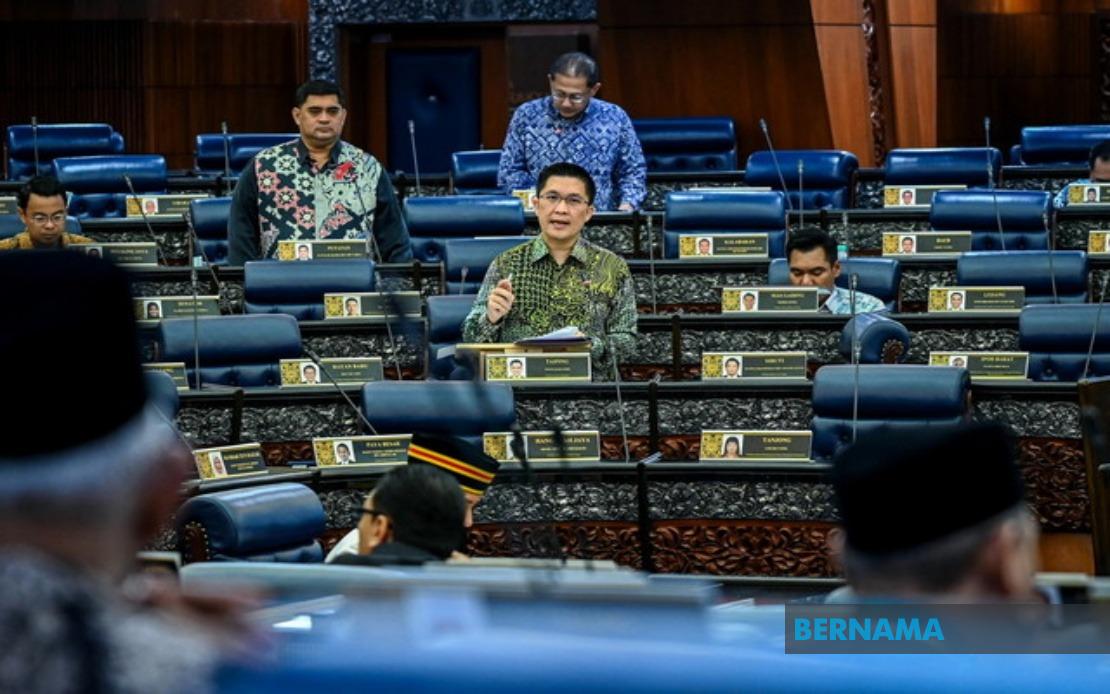
Malaysia's Education Ministry has achieved near-complete staffing of its preschool teaching force, with 99.8 per cent of positions filled as of July 1. Deputy Minister Wong Kah Woh disclosed in Parliament that 10,478 preschool educators are now deployed across the country, reflecting the government's intensifying commitment to expanding early childhood education infrastructure. The figures underscore efforts to meet escalating demand as more families seek quality preschool provision ahead of primary school enrolment.
The acceleration in teacher recruitment reflects a deliberate policy shift toward strengthening Malaysia's early education foundations. Between 2023 and 2025, the ministry introduced 1,202 newly trained educators into the system, substantially boosting classroom capacity. This recruitment trajectory demonstrates sustained government investment in human resources for the preschool sector, moving beyond one-off initiatives toward systematic workforce expansion. The deployment strategy targets areas experiencing demographic growth and rising enrolment pressures, ensuring educational provision keeps pace with population shifts across Malaysian states.
Beyond raw recruitment numbers, the Education Ministry has invested significantly in elevating teaching standards across preschools. Recognizing that teacher availability alone cannot guarantee quality outcomes, the ministry has overhauled its training infrastructure, encompassing pre-service programmes for new entrants and continuing professional development for existing staff. These initiatives align preschool pedagogical practices with internationally recognized early childhood education standards, addressing concerns that rapid expansion might dilute instructional quality. The emphasis on competency frameworks reflects growing understanding that Malaysia's competitive positioning depends on developing well-rounded citizens from their earliest learning years.
Current operational capacity shows tangible expansion. As of May 31, the ministry operated 10,491 preschool classes nationwide, serving 217,026 pupils across government-run facilities. These numbers represent substantial growth from previous years, establishing Malaysia's public preschool system as a major provider of early childhood education. The scale of operation positions government preschools as accessible alternatives to private institutions, particularly important for lower-income families for whom private fees remain prohibitive. The enrollment figures suggest successful uptake of preschool services when made available through government channels.
The selection of locations for new preschool establishment follows evidence-based planning rather than arbitrary decisions. Ministry officials assess multiple factors including the number of age-eligible children in particular localities and demonstrated community demand before committing resources to classroom expansion. This methodology prevents wasteful investment in low-demand areas while directing resources toward regions with genuine educational needs. For Malaysian communities, this targeted approach means preschool access increasingly depends on demographic profiling and growth projections, advantages those in expanding urban and suburban zones while potentially leaving more dispersed rural communities with longer wait times.
The ministry has articulated an ambitious expansion roadmap spanning the next five years. Wong announced plans to establish 300 additional preschool classes during the following year, constituting part of a broader objective to launch 1,040 new classes over a five-year period. If realized, this expansion would substantially increase government preschool capacity, potentially reducing reliance on private alternatives and improving accessibility for families across income strata. The scale of this commitment suggests preschool education has become a priority within the ministry's broader educational restructuring agenda, signaling that early childhood development now receives comparable attention to primary and secondary levels.
For six-year-old children who have not attended preschool, the ministry intends to continue expanding classroom capacity while intensifying collaborative partnerships with State Education Departments and KEMAS (the Community Development Department). This multi-agency coordination represents recognition that achieving universal preschool access requires cooperation beyond the Education Ministry alone. KEMAS's involvement proves particularly significant given its extensive rural network and experience serving lower-income communities, suggesting government strategy now involves leveraging existing institutional infrastructure rather than building parallel systems. Such coordination could substantially accelerate preschool penetration in underserved areas.
The parliamentary disclosure reflects broader Southeast Asian trends toward recognizing early childhood education as economically and socially vital. Regional research increasingly demonstrates that quality preschool experiences correlate with improved primary school outcomes, higher eventual earnings, and better social integration. Malaysia's policy pivot toward systematic preschool expansion aligns with this evidence base, positioning the country alongside regional peers investing heavily in pre-primary education. For Malaysian families and communities, this shift promises gradually improving access to structured early learning, particularly through government provision that reduces financial barriers.
However, expansion targets and actual implementation sometimes diverge in Malaysian educational contexts. The ministry's success in achieving 99.8 per cent teacher staffing suggests execution capability, yet scaling to 1,040 new classes while maintaining quality standards presents considerable logistical challenges. Training new cohorts of educators, constructing or converting classroom spaces, procuring materials, and establishing quality assurance mechanisms across dispersed locations demands sustained budgetary commitment and administrative coordination. The coming years will test whether Malaysia can sustain this momentum or whether expansion inevitably encounters resource constraints.
The expansion strategy also reflects demographic realities and future workforce demands. Malaysia's aging population and declining fertility rates mean preschool-age cohorts represent increasingly valuable educational investments, justifying government commitment to universal access. Building capable learners from early ages addresses long-term economic competitiveness in knowledge-based sectors. For Malaysian policymakers, preschool expansion functions simultaneously as educational improvement and demographic response, recognizing that investments in early childhood development generate returns across decades. The ministry's phased expansion approach suggests recognition that sustainable growth requires balancing ambition with implementation capacity, avoiding overcommitment that undermines quality.

