Malaysia is moving to strengthen support for witnesses who depart its protection programme, introducing structured financial assistance at a critical transition point in their lives. The Witness Protection (Amendment) Bill 2026, which cleared the Dewan Rakyat on July 14, now faces final parliamentary scrutiny following its second reading in the Dewan Negara on July 22. The legislation addresses a significant vulnerability in the current system: participants who complete their roles in criminal proceedings and exit the programme have historically received no formal assistance despite facing genuine risks and practical challenges in rebuilding their lives beyond the protective umbrella.
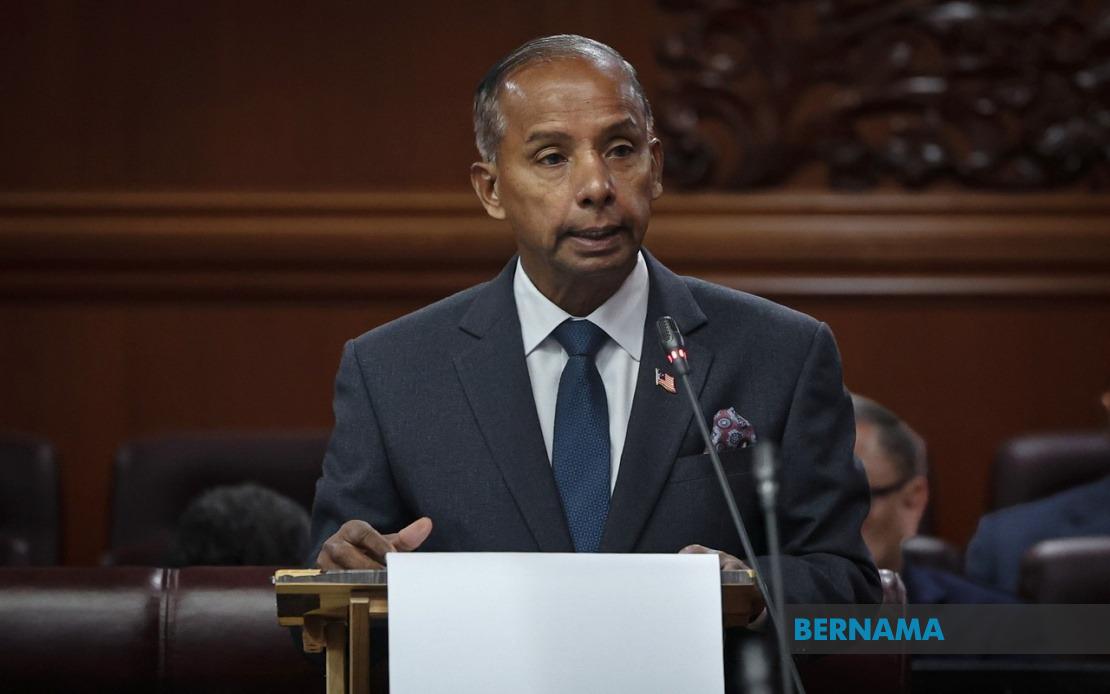
Deputy Minister M. Kulasegaran, speaking from the Prime Minister's Department (Law and Institutional Reform), outlined how the revised legislation would fundamentally alter the exit experience for programme participants. Rather than abruptly terminating all support when the Attorney General concludes a witness's protection is no longer necessary, the amended framework allows for carefully calibrated one-time payments designed to cushion the transition to independent living. These payments may encompass housing assistance, reimbursement for moving expenses from the protection facility to a new residence, and support for transferring children to different schools—costs that can collectively represent a substantial financial burden for individuals who may have spent years in government care.
The distinction between immediate transitional support and long-term dependency is crucial to understanding the government's approach. Kulasegaran explicitly clarified that this assistance is temporary, designed specifically to bridge the gap between programme exit and self-sufficiency rather than establishing an indefinite welfare commitment. This calibration reflects broader policy considerations around programme sustainability and the balance between individual welfare and public resources. Witnesses leaving the programme, by definition, are no longer considered to face imminent danger—otherwise their protection would continue—yet they may still contend with disrupted employment histories, damaged relationships, and the practical complications of relocating to new communities.
The current legislative framework, the Witness Protection Act 2009 (Act 696), reveals the limitations that prompted this amendment. For over fifteen years, the 2009 legislation has offered comprehensive protection and material support during a witness's enrollment but contained no provisions whatsoever for the moment of programme exit. This creates a cliff-edge scenario where witnesses transition instantaneously from full government support to complete self-reliance, a discontinuity particularly acute for vulnerable individuals such as those with dependent children, limited education, or employment gaps caused by their protection obligations. The absence of exit planning mechanisms has likely created practical hardship and may have discouraged potential witnesses from coming forward, knowing they face an abrupt termination of all assistance.
The amendment positions the director-general of the Protection Division within the Prime Minister's Department as the authorising agent for providing necessary and reasonable assistance upon programme exit. This centralised authority structure ensures consistency in decision-making while maintaining security protocols around the identities and circumstances of protected witnesses. By embedding exit assistance within the established institutional framework rather than creating parallel support mechanisms, the government keeps operational responsibility unified and reduces administrative fragmentation that could inadvertently compromise witness safety or confidentiality.
This legislative evolution reflects Malaysia's growing sophistication in witness protection policy, a domain that has become increasingly important as the country has prosecuted high-profile corruption and organised crime cases. Witnesses who testify in serious criminal matters, corruption investigations, and prominent cases often face genuine retaliation risks, and their willingness to participate in the justice system depends partly on knowing they will not face destitution after their testimony concludes. By extending a structured safety net to the exit phase, Malaysia signals to potential witnesses that their cooperation carries institutional guarantees extending beyond the courtroom.
The broader context of witness protection in Southeast Asia underscores Malaysia's positioning. Regional justice systems have increasingly recognised that effective prosecution of complex crimes requires credible witness testimony, yet recruitment and retention of willing witnesses remains challenging precisely because of the personal costs involved. Countries that have implemented robust witness protection frameworks, including exit support mechanisms, have generally experienced higher participation rates from witnesses willing to give evidence against powerful criminal networks and corrupt officials. Malaysia's amendment aligns the country with international best practices while acknowledging the particular vulnerabilities of Malaysian witnesses whose protection may extend across years of trials and appeals.
The six-clause structure of the amendment reflects comprehensive thinking about witness welfare beyond the exit question. The legislation aims to enhance safety protocols, improve physical protections, strengthen welfare provisions during programme participation, and refine management procedures within the Protection Division. This holistic approach suggests policymakers recognised that exit support alone would be insufficient without concurrent improvements to overall programme quality and security. Witnesses who experience poor conditions during their protection years would likely view exit assistance with scepticism, and conversely, those treated well throughout their participation would benefit most from thoughtful transition planning.
For Malaysian society, this amendment carries implications extending beyond the individual witnesses involved. Corruption prosecutions, organised crime investigations, and crimes against vulnerable populations often depend on insider testimony—information that only someone with direct knowledge can provide. When witnesses know the state has committed to comprehensive support extending through programme exit, they face lower psychological barriers to cooperation. This legislative development thus represents an investment in Malaysia's capacity to investigate and prosecute serious offences, indirectly strengthening the rule of law and public confidence in the justice system.
The amendment also reflects evolving understanding of witness vulnerability that extends beyond physical threat. Individuals in protection programmes typically experience significant psychological stress, disrupted family relationships, employment interruption, and social dislocation. The provision for school transfer assistance acknowledges that children of protected witnesses suffer particularly acute challenges, potentially attending multiple schools and losing peer relationships due to programme requirements. By addressing these practical dimensions at exit, the legislation recognises that witness protection must extend to the human realities of programme participation, not merely to security protocols.
Implementation will require careful coordination between the Protection Division and other government agencies handling housing, employment, and social services. The director-general's authority to determine what constitutes necessary and reasonable assistance allows flexibility to respond to individual circumstances while maintaining budgetary control. This discretionary framework requires training and clear guidelines to ensure consistent, fair decision-making and to prevent arbitrary variation in assistance levels across different witnesses. The government will need to establish transparent criteria defining eligible expenses and typical assistance ranges.
Looking forward, this amendment positions Malaysia's witness protection system for contemporary demands. As investigations into financial crime, human trafficking, and organised crime grow more complex, witness cooperation becomes increasingly central to prosecution strategy. The amendment removes a significant disincentive to witness participation by formally acknowledging that the state's obligation to protect extends through the transition to independence. For Malaysian policymakers and the judiciary, this represents pragmatic investment in institutional capacity to pursue justice while maintaining humane treatment of those who contribute substantially to that pursuit.

