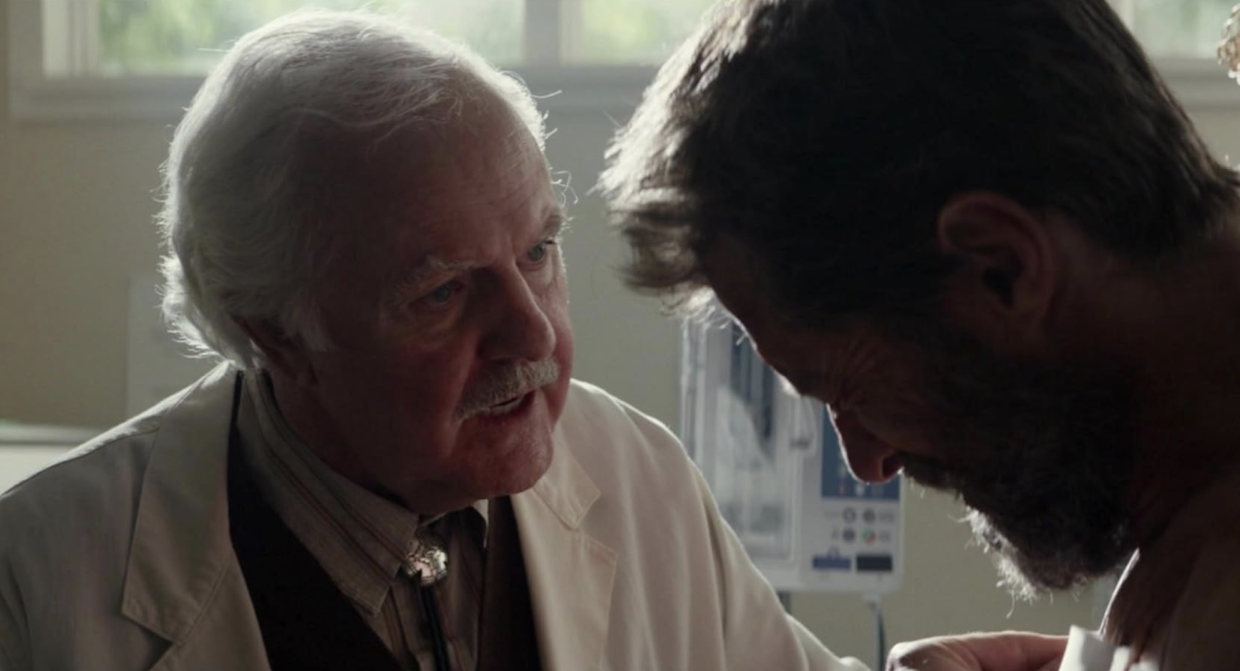
A California judge has determined that the man charged with stabbing actor James Handy is too mentally impaired to participate meaningfully in criminal proceedings. On Monday, Los Angeles Superior Court Judge Maria Cavalluzzi concluded that 44-year-old Michael Gledhill lacks the cognitive ability to comprehend the murder charge against him or work constructively with his legal team in mounting a defence, effectively halting prosecution in what has been a deeply disturbing case involving the death of an entertainment industry veteran.
The ruling represents a significant procedural turn in a case that began with an alarming 911 call. According to police accounts, an emergency caller stated, "I am the son of man, I just killed the man of sin," prompting officers to respond to a residential address. Upon arrival, Gledhill allegedly identified himself as the person police were seeking, leading to his arrest in connection with Handy's fatal stabbing. The circumstances surrounding the killing have drawn considerable attention, not merely because of the violent nature of the alleged crime, but because of the apparent mental health crisis that appears to have preceded it.
Gledhill's prosecution has taken an unusual trajectory through the California court system. Rather than proceeding directly to trial following his arrest, the case was diverted when he failed to appear meaningfully at his scheduled June 5 arraignment. The presiding judge instead referred the matter to a specialized mental health court designed to evaluate defendants' psychological fitness for trial. That evaluation process moved swiftly, with psychiatric assessments quickly confirming what arresting officers and prosecutors may have already suspected: Gledhill's mental state rendered him unable to understand the criminal charges or engage rationally with his legal representatives.
Judge Cavalluzzi's Monday ruling extended beyond merely finding Gledhill incompetent to stand trial. She additionally determined that he lacks the capacity to make informed decisions about his own medical treatment, a critical finding that has permitted the court to authorize involuntary psychiatric medication. The judge signed an order permitting one year of compulsory pharmaceutical intervention, based on the recommendation of a court-appointed psychiatrist who concluded that appropriate medication could substantially improve Gledhill's mental health condition. This reflects a judicial recognition that chemical intervention might be necessary and beneficial rather than merely punitive.
The case now awaits the next procedural phase, with Gledhill scheduled to appear for a hearing on July 14 to determine where he will receive long-term psychiatric care and treatment. This placement hearing will be crucial in determining whether Gledhill ends up in a conventional correctional facility, a specialized psychiatric institution, or some hybrid arrangement that attempts to balance public safety with therapeutic needs. Should Gledhill eventually be deemed competent to stand trial following successful treatment, prosecutors would then pursue the murder case through conventional criminal proceedings.
The circumstances that led to the confrontation offer troubling context. According to Brian Delate, a longtime friend and fellow actor who knew both Handy and his circle, Gledhill's mother had converted her garage into living quarters for her son, who was struggling with significant mental health challenges. Handy, whose home was nearby, spent considerable time at that residence, apparently maintaining close ties to the family. Delate revealed that Handy had previously mentioned to him, in passing conversation, concerns about the girlfriend's son's mental health difficulties. This detail suggests that those around Handy may have been aware, at least in general terms, that there were psychological vulnerabilities in the household where he spent much of his time.
James Handy, who was 81 years old at the time of his death, had compiled an extensive career as a character actor. Over decades of work in film and television, he had accumulated numerous credits, becoming a recognizable figure in supporting roles across a wide range of productions. His death represents the loss of an entertainer who had contributed substantially to the industry over a long professional life. The tragedy underscores the sometimes difficult intersections between vulnerable individuals, those attempting to help them, and the potential for violence when mental illness goes inadequately treated or managed.
The case presents significant implications for how the American criminal justice system handles individuals with severe mental health disorders. The decision to channel Gledhill's case through mental health court rather than traditional criminal court reflects a recognition, increasingly widespread among legal professionals, that punishing individuals for crimes allegedly committed while experiencing active psychosis is neither just nor effective. Proper diagnosis, stabilization, and treatment may offer better outcomes for both the defendant and society than simple incarceration would achieve.
For readers in Malaysia and across Southeast Asia, this case illustrates broader global challenges in managing mental health crises within justice systems. As mental health awareness increases across the region, policymakers and courts are grappling with similar questions about how to balance accountability with appropriate treatment, particularly in cases involving vulnerable populations. The California approach of diverting defendants to specialized mental health courts before trial represents one model, though one with significant resource requirements that may not be universally available.