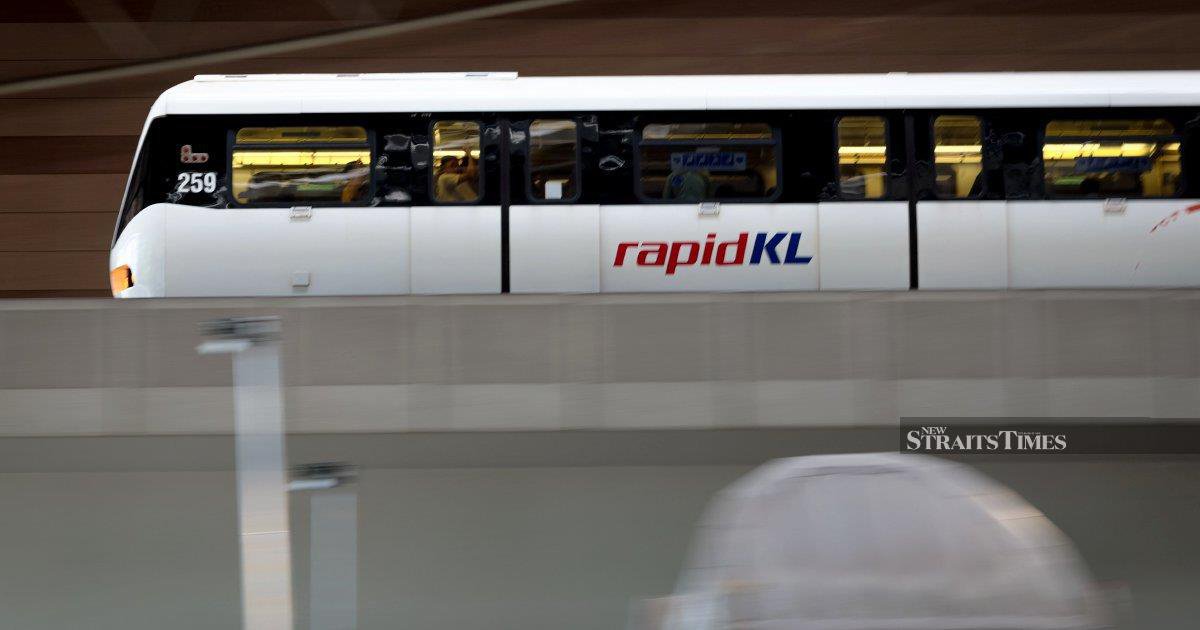
A man has been taken into custody following an early-morning incident involving unauthorised access to the rail infrastructure serving Rapid KL's Shah Alam Line. The trespassing occurred at Jalan Meru Station, one of the intermediary stops along the route, and resulted in temporary service interruptions during a period when commuters rely heavily on the system for their daily journeys.
Rapid KL, the primary operator of the Shah Alam Line, experienced delays and partial suspensions of services as authorities responded to the security breach and ensured the tracks were safe for resumed operations. The incident underscores ongoing challenges with rail infrastructure security across the Klang Valley's transit network, which carries hundreds of thousands of passengers daily.
The timing of the incident during early morning hours is notable, as this period typically sees a surge in commuter traffic as people travel to their workplaces and educational institutions throughout the Kuala Lumpur metropolitan area. Service disruptions at this juncture have cascading effects on the broader transportation ecosystem, potentially forcing passengers to seek alternative routes or modes of transport.
Trespassing on active railway tracks represents a serious safety hazard both to the intruder and to train operations. The presence of an unauthorised individual on live tracks necessitates immediate halting of services to prevent potential accidents, which can cause injuries or fatalities. Rail operators maintain strict protocols for such situations, requiring comprehensive track inspections before resuming normal operations.
Jalan Meru Station serves as a connecting point for various communities in the Shah Alam area and beyond, making disruptions at this location particularly impactful. The station's location on the metropolitan rail network means it attracts considerable passenger footfall daily, and any service interruption affects connectivity across the broader transport web linking the Selangor and Kuala Lumpur regions.
The arrest represents law enforcement's rapid response to the incident, though details regarding the man's identity, age, or motives remain under investigation. Police procedures typically involve determining whether the trespassing was intentional, accidental, or indicative of deeper underlying issues such as mental health concerns or substance influence.
This incident adds to a pattern of railway security concerns that transit authorities have grappled with across Southeast Asia. Rapid KL has invested in various safety measures including CCTV surveillance, access control systems, and regular patrols, yet breaches continue to occur, highlighting the challenge of securing kilometres of track and numerous station facilities.
The Shah Alam Line represents a vital component of Malaysia's public transportation infrastructure, designed to relieve congestion on the congested highways and arterial roads serving the Klang Valley. Any disruption, however temporary, undermines the reliability that commuters depend upon when planning their daily schedules. Repeated incidents can erode confidence in the system and push users toward private vehicles, exacerbating traffic congestion problems the line was constructed to alleviate.
Railway operators have traditionally emphasised public awareness campaigns discouraging trespassing, as most incidents stem from either unfamiliarity with safety protocols or deliberate risk-taking. The consequences extend beyond immediate inconvenience to passengers—maintenance costs for investigating incidents and repairing potential damage, combined with lost revenue from service interruptions, place financial strain on transit authorities operating in increasingly competitive urban transportation markets.
The incident also raises questions about the adequacy of physical barriers and security measures at stations along the line. While electronic monitoring provides evidence for investigations after incidents occur, mechanical and structural safeguards can prevent unauthorised access in the first instance. Singapore's MRT system, for comparison, employs platform screen doors at many stations, eliminating the possibility of track access entirely.
Authorities will likely review security protocols at Jalan Meru Station and other potentially vulnerable locations on the Shah Alam Line network. Such reviews often lead to recommendations for enhanced fencing, improved lighting, increased security personnel, or technological solutions ranging from motion sensors to facial recognition systems.
The matter now rests with legal authorities who will determine appropriate charges and penalties. Malaysian law contains specific provisions addressing railway trespassing, recognising both the operational disruption and safety implications of unauthorised track access. Outcomes of such cases can set precedents affecting how seriously similar incidents are treated across the public transport sector.

