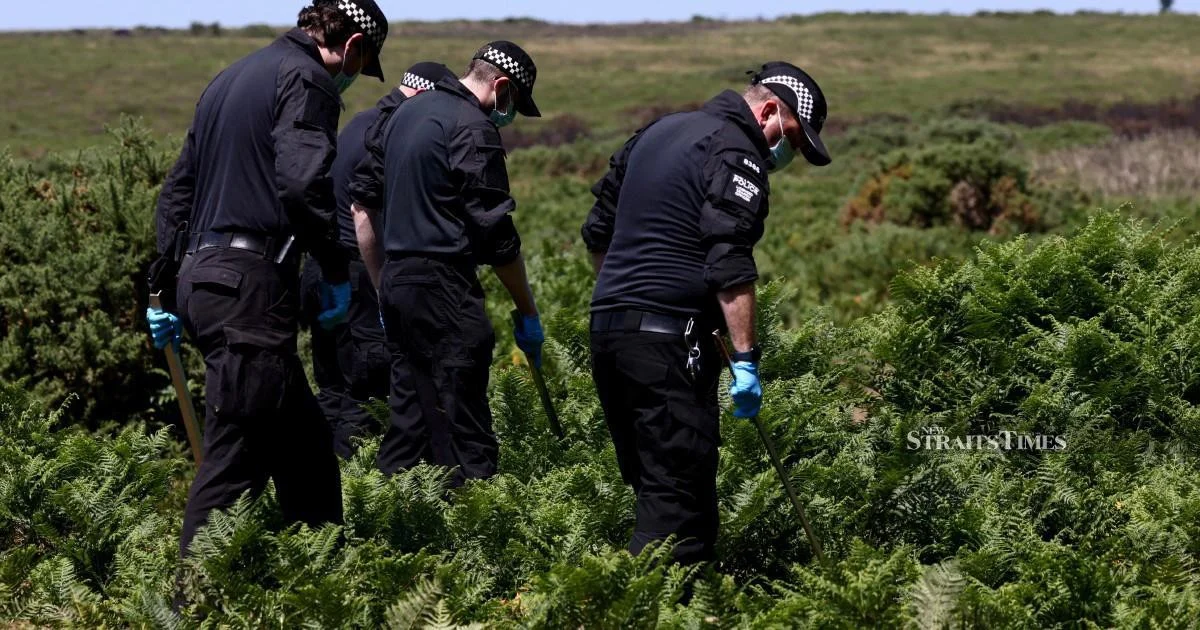
A 28-year-old man has been taken into police custody in South Yorkshire following the death of Ann Widdecombe, one of Britain's most recognizable and controversial former government figures. The arrest on Saturday represents a significant development in what appears to be a serious criminal investigation, though police have not released extensive details about the circumstances surrounding the case.
Widdecombe served as a cabinet minister during the Major and Blair administrations, holding several prominent portfolios including Shadow Home Secretary and roles within the Department of Employment. Her parliamentary career spanned nearly three decades, and she became known for her outspoken positions on crime, drugs, and social policy. Beyond Westminster, she cultivated a distinctive public persona that extended into television and media appearances, making her name familiar to multiple generations of British voters.
The former politician's prominence in British public life ensures that this case will attract substantial media scrutiny and public interest. Her tenure in government coincided with some of the most significant policy debates of the late twentieth century, including reforms to criminal justice and welfare provisions. Her later career saw her transition into broadcasting and writing, keeping her in the public eye long after leaving Parliament.
South Yorkshire Police's announcement of the arrest follows what investigators presumably identified as suspicious circumstances requiring immediate intervention. The decision to proceed with a murder charge indicates that officers believe they have assembled sufficient preliminary evidence to justify formal custody. Police procedures in England typically demand a high threshold of suspicion before arrests occur in such serious cases, suggesting the investigation had already gathered considerable information.
The specifics of how Widdecombe died, where the incident occurred, and what evidence police are examining remain undisclosed at this stage. Law enforcement agencies typically guard such details carefully during active investigations to preserve the integrity of their inquiries and to avoid compromising potential prosecutions. Releasing premature information could compromise witness statements and forensic evidence.
This case carries particular significance given Widdecombe's status within British politics and media. Her sudden absence from public life, should this explain it, would likely prompt questions about her wellbeing from colleagues, media contacts, and the broader public who have followed her career over many years. Former ministers often retain a network of associates and admirers who remain attentive to their activities.
The arrest comes at a time when concerns about violent crime in Britain continue to dominate public discourse and political debate. High-profile cases involving prominent victims inevitably reignite discussions about personal safety, law enforcement effectiveness, and the adequacy of investigative resources. This case will undoubtedly feature prominently in such conversations across media platforms and parliamentary discussions.
For Malaysian readers, the case underscores how criminal investigations in mature democracies operate under strict legal frameworks and public scrutiny. The arrest of a suspect does not presume guilt; individuals in Commonwealth jurisdictions like the UK retain legal protections that ensure fair treatment throughout the investigative and judicial process. The public nature of such announcements reflects the transparency expected in Western legal systems.
The investigation's progression will likely occur over weeks or months as police gather evidence, conduct forensic analysis, and prepare materials for prosecution teams. During this period, authorities will maintain custody procedures governed by strict legal safeguards. Should prosecution proceed, the case would move through England's court system, potentially attracting international media attention given Widdecombe's profile.
The death of any public figure prompts reflection on broader questions of safety and security in society. For government officials and public personalities, particularly those who held controversial positions during their careers, security considerations have long been a reality. This incident will doubtless prompt discussions about whether additional protective measures might benefit former ministers and other prominent public figures.
As the investigation continues, additional details about the circumstances surrounding Widdecombe's death will gradually emerge through official channels and court proceedings. The next significant development would likely come when police conclude their initial inquiry and decide whether to charge the arrested man formally. Alternatively, investigators may seek extensions to their custody period to gather additional evidence before making final determinations.
The case demonstrates that even in stable, developed nations with sophisticated law enforcement systems, serious crimes can touch the highest echelons of society and public life. The arrest represents the beginning of a lengthy process rather than its conclusion, with numerous legal stages and investigations still to unfold before any final determination of responsibility or guilt occurs.

