A man has been taken into custody in Negeri Sembilan following allegations that he published a post on social media containing insulting remarks directed at the state's royal institution. The arrest represents the authorities' ongoing efforts to enforce regulations protecting the dignity of Malaysia's traditional rulers, a sensitive matter that has historically commanded strong legal protections across the country.
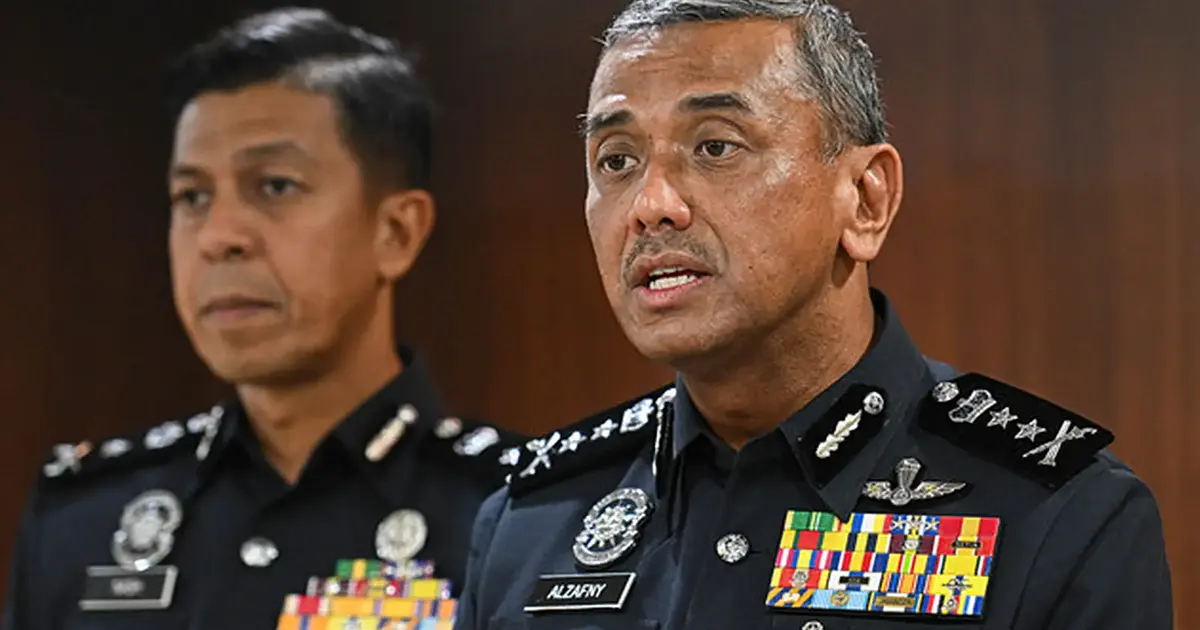
Negeri Sembilan police chief Alzafny Ahmad confirmed the apprehension, indicating that investigators had moved swiftly to take action after the concerning material came to their attention. The decision to arrest the individual underscores the police's commitment to maintaining respect for the royal household, an institutional priority that reflects broader Malaysian legal and cultural traditions regarding the status of the monarchy.
As part of the investigation, authorities seized the man's mobile phone, a standard procedural step in digital-related offences. This seizure is intended to preserve evidence and facilitate a thorough examination of the alleged post, as well as to identify the circumstances surrounding its publication and any potential wider distribution. Forensic analysis of the device will likely form a critical component of the case against the suspect.
In Malaysia, insulting remarks directed at the Yang di-Pertuan Agong or state rulers can constitute an offence under various provisions of the penal code and state-specific legislation designed to protect the monarchy. These legal frameworks reflect the constitutional position of the royal institutions and their symbolic importance to the federation's governance and national identity. Such protections remain among the more strictly enforced aspects of Malaysian law, with authorities treating violations with considerable seriousness.
Negeri Sembilan, one of Malaysia's thirteen states, maintains its own royal household and constitutional monarchy under the reigning ruler. The state's police force operates under a mandate that includes safeguarding public order and enforcing regulations that shield state institutions from disrespect. This particular case illustrates how local law enforcement agencies across Malaysia remain vigilant regarding remarks that cross cultural and legal boundaries concerning royalty.
The arrest also reflects the broader challenge facing Malaysian authorities in managing digital content and social media-related offences in an increasingly connected society. Posts published online, whether intentionally viral or shared among limited circles, can quickly attract official attention if their content contravenes established legal provisions. Police forces across the country have progressively enhanced their capacity to monitor, investigate, and respond to such matters within digital environments.
For ordinary Malaysians navigating the country's complex regulatory landscape, the incident serves as a reminder of the legal sensitivities surrounding any expression that could be perceived as disrespectful toward the monarchy. While Malaysia maintains democratic institutions and permits considerable freedom of expression, certain boundaries remain firmly established in law and culture. Understanding these distinctions is essential for anyone engaging in public discourse, whether online or offline.
The implications extend beyond Negeri Sembilan, as similar cases have been documented in other Malaysian states where individuals have faced legal consequences for social media posts allegedly insulting state or federal royalty. These patterns suggest a consistent approach by law enforcement agencies throughout the country in applying protections afforded to the institution of the monarchy. The availability of digital communication channels has, paradoxically, made it easier for authorities to identify and prosecute such alleged offences.
The case also raises questions about the intersection of traditional legal protections and modern digital communication. As Malaysians increasingly use social media platforms to express opinions and share content, the risk of inadvertently or deliberately crossing legal lines grows correspondingly. This tension between digital freedom and legal constraints has become a defining feature of contemporary Malaysian public discourse.
Police have not disclosed the specific nature of the alleged post or the content that prompted the arrest, maintaining standard investigative protocols regarding ongoing cases. Further details are likely to emerge as the investigation progresses and the matter potentially advances through the judicial system. The suspect's fate will partly depend on how courts interpret the relevant legislative provisions in light of the evidence presented by prosecutors.
For the broader Malaysian public and regional observers, this arrest exemplifies how different jurisdictions protect their national symbols and institutions through law. Southeast Asian countries employ varying approaches to safeguarding royal dignity, with some maintaining particularly robust legal frameworks. Malaysia's system reflects historical constitutional arrangements and enduring cultural values that position the monarchy as a cornerstone of national stability and unity.
As investigations continue, the case will likely generate discussions about the balance between protecting institutional respect and preserving individual expression rights. These ongoing debates reflect the inherent tensions present in many democratic societies attempting to maintain both legal order and personal freedoms. The eventual judicial outcome may provide additional clarity regarding how Malaysian courts weigh such competing interests in contemporary cases.

